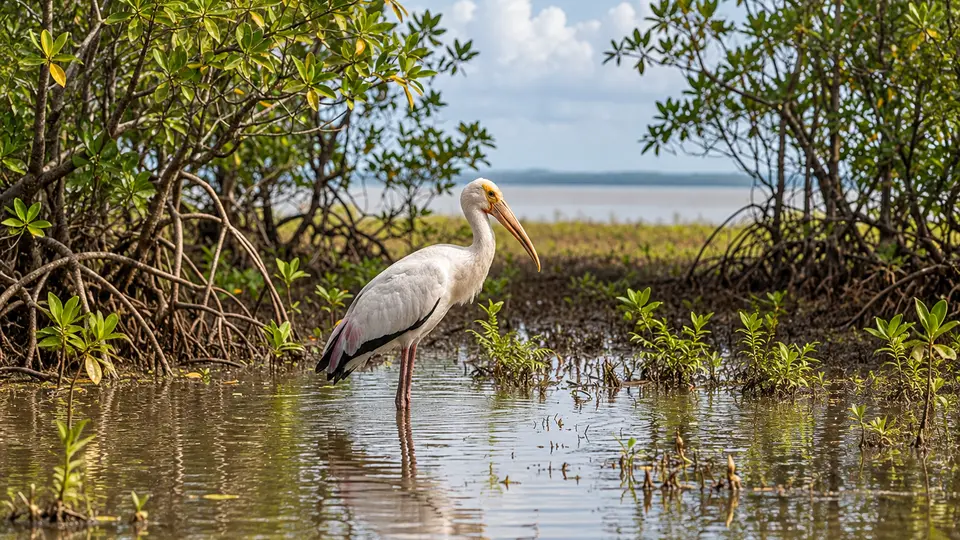
Milky stork in its natural habitatAI-modified

Milky storkMycteria cinereaWhere and when to see them

Milky stork at a glance

The milky stork is a large Southeast Asian wetland bird with creamy white plumage, black flight feathers and a long yellowish bill. Its remaining strongholds include parts of Indonesia, where mangrove loss and other pressures have greatly reduced suitable habitat. Despite its striking appearance, it can be overlooked against distant pale mudflats. Protecting feeding wetlands and secure nesting trees is essential because breeding colonies depend on both resources being available nearby.

Behaviour & reproduction

Size
90-100 cm (35.4-39.4 in) tall
Weight
2-3 kg (4.4-6.6 lb)
Lifespan
Not reliably established
Status
Endangered

Milky storks usually forage by walking slowly through shallow water with the bill partly open, detecting prey by touch. Several birds may feed together where receding water concentrates fish. They rest in trees and breed colonially, constructing substantial stick nests. Adults commute between colonies and feeding grounds, sometimes over considerable distances. Disturbance, cutting of nesting trees and collection of young can severely affect reproductive success. Milky storks often fly with their neck extended, which distinguishes them from herons that fly with their neck retracted. They sometimes perch on tall trees or snags overlooking their feeding grounds, particularly during high tide or for roosting.

Top wildlife locations

Indonesia wildlife habitatAI-modified

Indonesia

Remaining mangroves and tidal wetlands in parts of Sumatra and Java offer plausible habitat. Birds are localized and rare; reaching suitable shore embankments may require a dedicated overland excursion and local access advice.
Destinations describe the species' habitat, not guaranteed cruise stops. Some animals require an optional inland excursion or are found in restricted reserves.

Fun facts about the Milky stork

  • Its scientific genus name, Mycteria, also includes the wood stork.
  • Black flight feathers become especially obvious when the wings open.
  • It often locates prey by touch rather than by sight.
  • Hybridization with painted storks is a conservation concern in some managed or introduced populations.

Best time to see the Milky stork

Tide and local water levels matter more than a single Indonesian travel season. Drier months can make some coastal viewpoints easier to reach, but timing varies among islands. Seek current local advice without treating regional dry weather as evidence of breeding activity. Breeding typically occurs during the rainy season or at the start of the dry season, varying locally with food availability linked to water levels. Monitoring local rainfall patterns may offer insights into potential breeding activity and improved viewing opportunities.

Milky stork: season matrix by destination

Travel and observation windows vary by region. Highlighted months are an orientation for planning, not confirmed sightings or a guarantee of access.

Indonesia

Indonesia spans different rainfall regimes, and no single national shore-observation window is defensible without a specific wetland and current access information.

JanFebMarAprMayJunJulAugSepOctNovDec
Cruise ships in Indonesia

Where the Milky stork lives

The species is strongly associated with lowland coastal wetlands, including mangroves, tidal mudflats, estuaries and shallow lagoons. It also uses some freshwater wetlands and modified ponds. Suitable nesting trees and extensive shallow feeding areas must remain connected within the landscape. The species is found across Southeast Asia, primarily in Sumatra, Java, Bali, and Sulawesi in Indonesia. Habitat loss and degradation are major threats, particularly from aquaculture expansion and human development along coastlines.

What the Milky stork eats

Small fish are especially important, with crustaceans, amphibians and other aquatic animals also taken. Touch-sensitive feeding allows it to capture prey in cloudy water. Falling tides or receding floodwaters can improve feeding opportunities by concentrating prey in shallow pools. This stork often uses its feet to stir up prey from the substrate in a behavior known as foot-stirring. They often feed in communal groups, which can increase foraging efficiency by flushing out more prey.

Species at a glance

Common name
Milky stork
Scientific name
Mycteria cinerea
Animal group
Birds
Size
90-100 cm (35.4-39.4 in) tall
Weight
2-3 kg (4.4-6.6 lb)
Lifespan
Not reliably established
Status
Endangered
Identification
Unlike the painted stork, an adult milky stork lacks a black breast band and pink tertial feathers, though juveniles and hybrids can complicate identification. Adult milky storks have distinctive bare, yellow skin on their face and throat, which intensifies in color during the breeding season. Their bill is stout, yellowish, and slightly downcurved at the tip.

Milky stork: frequently asked questions

Where can I see the Milky stork?
Indonesia. Use binoculars or a telescope from established wetland paths or embankments. Keep well away from nesting trees, avoid unstable tidal mud and never use playback or bait to draw birds closer. From an adventure cruise, look for storks foraging along the edges of mangrove forests or on exposed mudflats during low tide, often near river mouths. Their large size and striking white plumage make them conspicuous against the green mangroves or brown mud.
When is the best time to see the Milky stork?
Tide and local water levels matter more than a single Indonesian travel season. Drier months can make some coastal viewpoints easier to reach, but timing varies among islands. Seek current local advice without treating regional dry weather as evidence of breeding activity. Breeding typically occurs during the rainy season or at the start of the dry season, varying locally with food availability linked to water levels. Monitoring local rainfall patterns may offer insights into potential breeding activity and improved viewing opportunities.
How big does the Milky stork get?
90-100 cm (35.4-39.4 in) tall. Adult weight: 2-3 kg (4.4-6.6 lb). Size varies with age, sex and population.
How should I behave around the Milky stork?
Use binoculars or a telescope from established wetland paths or embankments. Keep well away from nesting trees, avoid unstable tidal mud and never use playback or bait to draw birds closer. From an adventure cruise, look for storks foraging along the edges of mangrove forests or on exposed mudflats during low tide, often near river mouths. Their large size and striking white plumage make them conspicuous against the green mangroves or brown mud.
What does the Milky stork eat?
Small fish are especially important, with crustaceans, amphibians and other aquatic animals also taken. Touch-sensitive feeding allows it to capture prey in cloudy water. Falling tides or receding floodwaters can improve feeding opportunities by concentrating prey in shallow pools. This stork often uses its feet to stir up prey from the substrate in a behavior known as foot-stirring. They often feed in communal groups, which can increase foraging efficiency by flushing out more prey.
Are wildlife sightings guaranteed on an adventure cruise?
No. Animals move freely and routes, weather, access restrictions and local conditions influence every outing. Confirm the actual itinerary and shore program before booking.

Compare wildlife in the same destinations

Explore other birds recorded in these destinations. Similar surroundings do not mean the animals share the same habits or viewing season.

Species comparison by animal group and destination
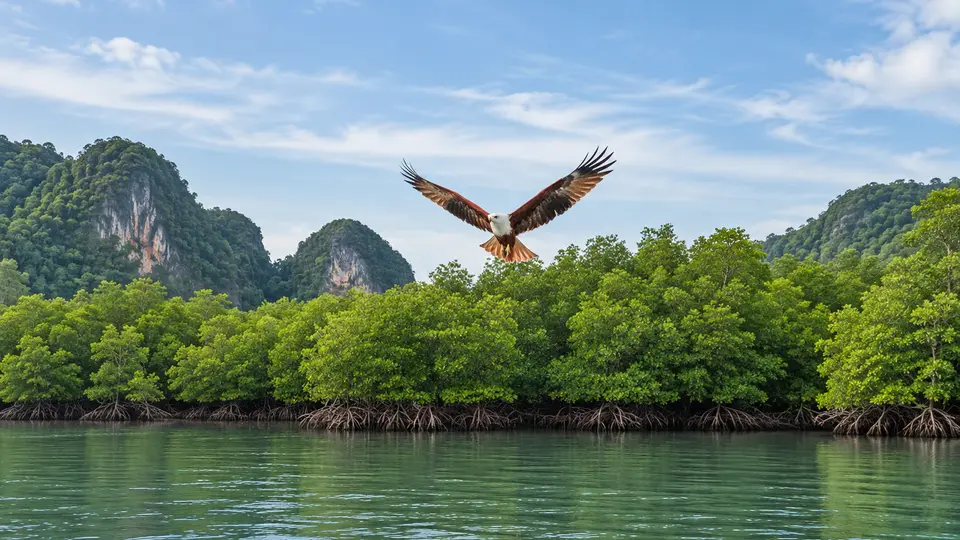
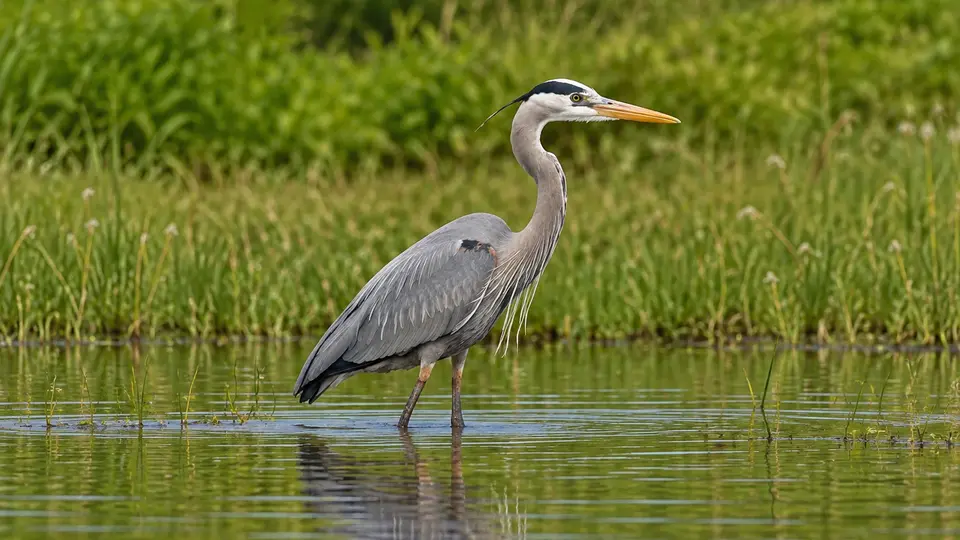
Milky storkAI-modifiedMilky storkBrahminy kiteAI-modifiedBrahminy kiteGreat-billed heronAI-modifiedGreat-billed heron
Animal groupBirdsAnimal groupBirdsAnimal groupBirds
DestinationsIndonesiaDestinationsIndonesia, Thailand, VietnamDestinationsIndonesia, Thailand
Scientific nameMycteria cinereaScientific nameScientific name
All wildlife destinations
AI-modified
Plan your trip

Find your next wildlife adventure

Compare destinations, shore programs and dates with the animals and habitats you would love to see.

  • Naturalist-led shore excursions
  • Responsible wildlife watching
  • Small expedition ships