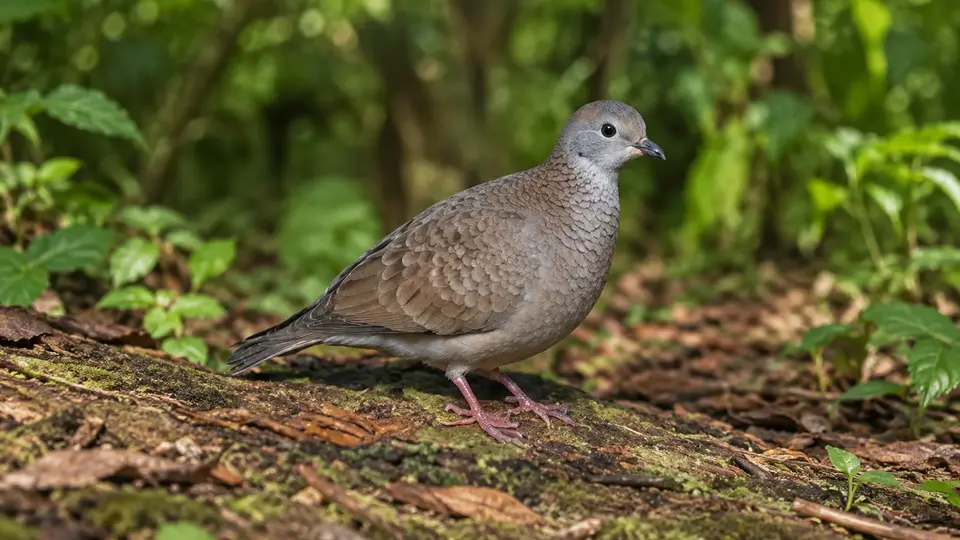
Marquesas ground dove in its natural habitatAI-modified

Marquesas ground dovePampusana rubescensWhere and when to see them

Marquesas ground dove at a glance

The Marquesas ground dove is a rare pigeon endemic to the Marquesas Islands of French Polynesia. Its surviving distribution is extremely restricted, with introduced predators and habitat change central to its conservation story. Males have a pale head and breast contrasting with darker upperparts, while females are browner. This is not a routine island-visit bird, and responsible accounts must distinguish its tiny remaining range from Polynesia generally.

Behaviour & reproduction

Size
19–20 cm (7.5–7.9 in) long
Weight
Not reliably established
Lifespan
Not reliably established
Status
Endangered

Much feeding takes place on the ground, where birds walk through litter and low vegetation searching for food. They can retreat into cover or fly when disturbed, but their terrestrial habits leave them vulnerable to introduced mammals. Detailed field knowledge remains limited because populations are small and difficult to study. Quiet observation and strict biosecurity are more appropriate than attempts to attract birds or locate nests. Courtship displays, though rarely observed, likely involve soft cooing vocalizations and subtle posturing to attract mates within their secluded territories. They are known to be quite shy and secretive, often freezing or melting into the undergrowth at the first sign of human presence.

Top wildlife locations

Polynesia wildlife habitatAI-modified

Polynesia

Remote Marquesan dry coastal woodland is the relevant habitat, not ordinary visitor waterfronts. Remaining populations are rare and effectively inaccessible to routine tourism; they are not on standard landings and require specific conservation authorization.
Destinations describe the species' habitat, not guaranteed cruise stops. Some animals require an optional inland excursion or are found in restricted reserves.

Fun facts about the Marquesas ground dove

  • It is endemic to the Marquesas, not to Polynesia as a whole.
  • Surviving populations are associated with Hatutaʻa and Fatu Huku.
  • Males and females differ noticeably in head and breast coloration.
  • Its ground-feeding lifestyle makes introduced mammalian predators especially dangerous.

Best time to see the Marquesas ground dove

No broadly reliable visitor observation season is established. Access to remaining populations depends on conservation restrictions, permits and difficult sea conditions rather than a standard tourism calendar. A general Polynesian dry season cannot justify a species-specific viewing window for this restricted dove. Breeding activity, which is not reliably tied to a specific calendar season, might offer fleeting glimpses of parental care if observation is permitted. Given the extreme rarity and sensitivity of this species, any viewing opportunity is highly opportunistic and not guaranteed by any season.

Marquesas ground dove: season matrix by destination

Travel and observation windows vary by region. Highlighted months are an orientation for planning, not confirmed sightings or a guarantee of access.

Polynesia

No supported routine shore-observation window; restricted access and limited population information prevent assigning credible visitor months.

JanFebMarAprMayJunJulAugSepOctNovDec
Cruise ships in Polynesia

Where the Marquesas ground dove lives

Remaining habitat includes dry woodland, scrub and vegetated ground on remote islands within its restricted Marquesan range. Suitable cover and freedom from introduced predators are critical. Ordinary resort gardens, village waterfronts and most accessible Polynesian coastal paths should not be presented as habitat. The species specifically favors dense, undisturbed undergrowth and rocky outcrops within these dry forest remnants. Its survival depends on islands free from invasive rats, cats, and goats which destroy both habitat and eggs/chicks.

What the Marquesas ground dove eats

Seeds and small fruits are important foods gathered largely at ground level. Published species-specific feeding information is limited, so detailed proportions or preferred plant lists should be treated cautiously. Protecting native vegetation helps preserve the changing food resources available to these isolated populations. Larval insects and small invertebrates may occasionally supplement their diet, especially during breeding periods when protein needs are higher. Their foraging behavior involves a characteristic 'scratch and peck' motion to uncover food items from leaf litter.

Species at a glance

Common name
Marquesas ground dove
Scientific name
Pampusana rubescens
Animal group
Birds
Size
19–20 cm (7.5–7.9 in) long
Weight
Not reliably established
Lifespan
Not reliably established
Status
Endangered
Identification
The male’s pale gray-white head and breast with contrasting chestnut-toned upperparts distinguish it from introduced zebra doves and spotted doves. Females typically exhibit a duller coloration overall, with the gray-white head and breast being less distinct and often tinged with brown. Juveniles resemble females but can have mottled or barred patterns on their wings and backs, which fade as they mature.

Marquesas ground dove: frequently asked questions

Where can I see the Marquesas ground dove?
Polynesia. Do not seek independent access to remaining populations. Any authorized visit must follow conservation staff instructions, including biosecurity and distance rules. Avoid playback, feeding and ground searches that could disturb birds or accidentally introduce seeds, insects or pathogens. Always maintain a significant distance to avoid causing stress or altering natural foraging patterns of these highly endangered birds. Binoculars or a spotting scope are essential for any remote viewing, ensuring minimal disturbance to the habitat.
When is the best time to see the Marquesas ground dove?
No broadly reliable visitor observation season is established. Access to remaining populations depends on conservation restrictions, permits and difficult sea conditions rather than a standard tourism calendar. A general Polynesian dry season cannot justify a species-specific viewing window for this restricted dove. Breeding activity, which is not reliably tied to a specific calendar season, might offer fleeting glimpses of parental care if observation is permitted. Given the extreme rarity and sensitivity of this species, any viewing opportunity is highly opportunistic and not guaranteed by any season.
How big does the Marquesas ground dove get?
19–20 cm (7.5–7.9 in) long. Adult weight: Not reliably established. Size varies with age, sex and population.
How should I behave around the Marquesas ground dove?
Do not seek independent access to remaining populations. Any authorized visit must follow conservation staff instructions, including biosecurity and distance rules. Avoid playback, feeding and ground searches that could disturb birds or accidentally introduce seeds, insects or pathogens. Always maintain a significant distance to avoid causing stress or altering natural foraging patterns of these highly endangered birds. Binoculars or a spotting scope are essential for any remote viewing, ensuring minimal disturbance to the habitat.
What does the Marquesas ground dove eat?
Seeds and small fruits are important foods gathered largely at ground level. Published species-specific feeding information is limited, so detailed proportions or preferred plant lists should be treated cautiously. Protecting native vegetation helps preserve the changing food resources available to these isolated populations. Larval insects and small invertebrates may occasionally supplement their diet, especially during breeding periods when protein needs are higher. Their foraging behavior involves a characteristic 'scratch and peck' motion to uncover food items from leaf litter.
Are wildlife sightings guaranteed on an adventure cruise?
No. Animals move freely and routes, weather, access restrictions and local conditions influence every outing. Confirm the actual itinerary and shore program before booking.

Compare wildlife in the same destinations

Explore other birds recorded in these destinations. Similar surroundings do not mean the animals share the same habits or viewing season.

Species comparison by animal group and destination
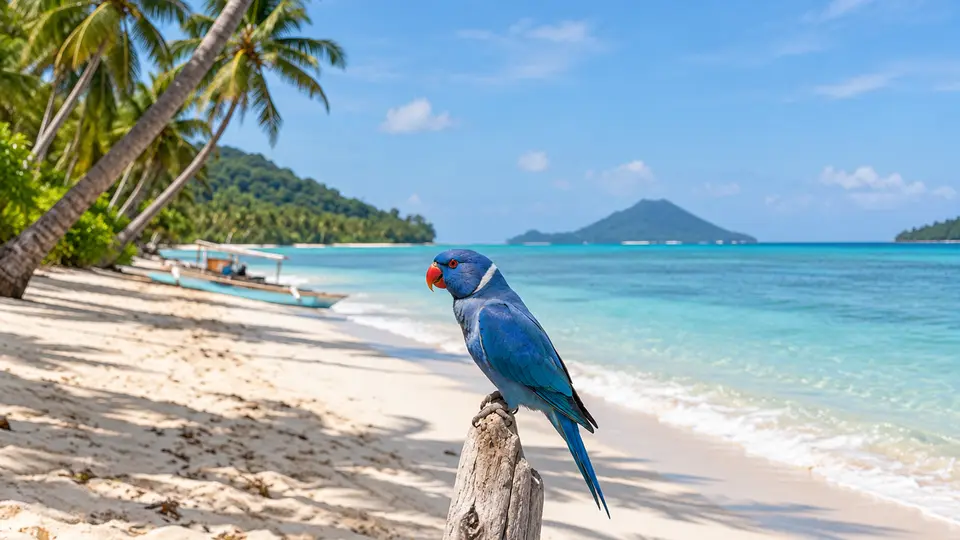
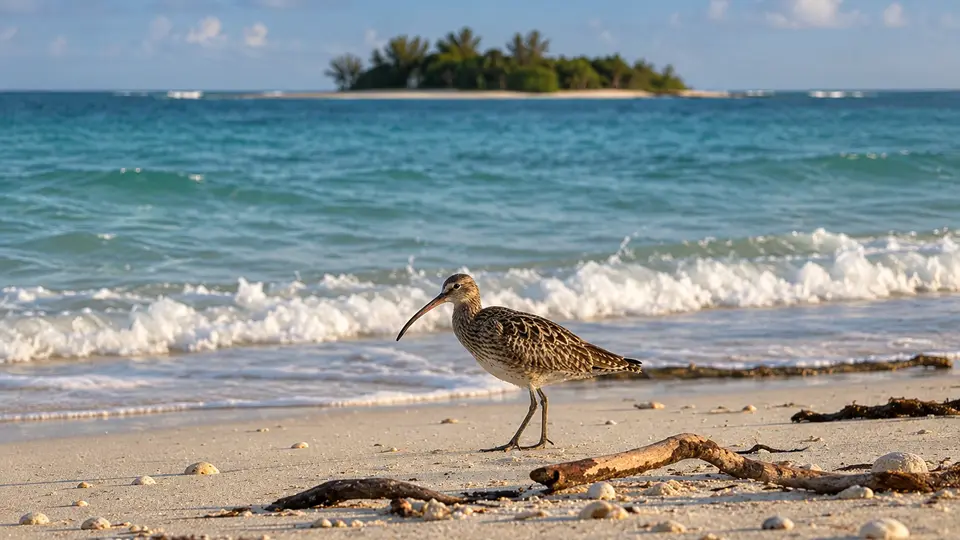
Marquesas ground doveAI-modifiedMarquesas ground doveBlue lorikeetAI-modifiedBlue lorikeetBristle-thighed curlewAI-modifiedBristle-thighed curlew
Animal groupBirdsAnimal groupBirdsAnimal groupBirds
DestinationsPolynesiaDestinationsPolynesiaDestinationsPolynesia
Scientific namePampusana rubescensScientific nameScientific name
All wildlife destinations
AI-modified
Plan your trip

Find your next wildlife adventure

Compare destinations, shore programs and dates with the animals and habitats you would love to see.

  • Naturalist-led shore excursions
  • Responsible wildlife watching
  • Small expedition ships