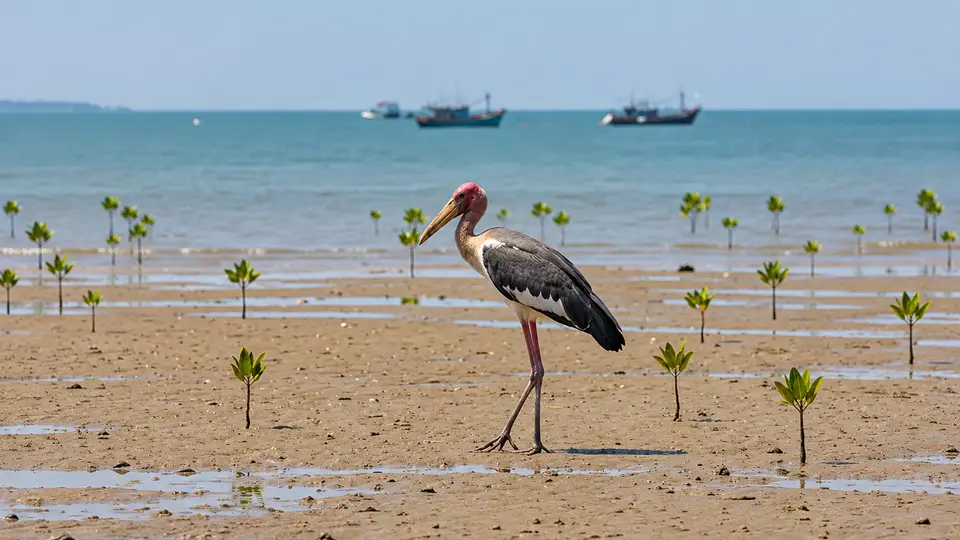
Lesser adjutant in its natural habitat

Lesser adjutantLeptoptilos javanicusWhere and when to see them

Lesser adjutant at a glance

The lesser adjutant is a tall Asian stork with a massive bill, bare head and neck, and a dark back above white underparts. It is closely associated with productive wetlands but depends on large trees for nesting. Unlike its larger relative, the greater adjutant, it lacks a conspicuous hanging throat pouch. Wetland drainage, disturbance and the loss of nesting trees have reduced populations across much of its range.

Behaviour & reproduction

Size
110-120 cm tall
Weight
4-5.7 kg
Lifespan
Not reliably established
Status
Vulnerable

Lesser adjutants often forage alone or in loose groups, walking slowly through shallow wetlands and pausing before striking at prey. They soar on rising warm air when travelling between feeding and roosting areas. Breeding pairs build large stick platforms high in trees, sometimes forming small colonies. Adults share incubation and chick care, while nesting success depends heavily on undisturbed trees and nearby feeding habitat. Courtship displays involve bill clattering and neck arching. They often roost communally in large trees, sometimes alongside other large waterbirds. These storks are known for their silent flight, gliding effortlessly for long distances.

Top wildlife locations

Vietnam wildlife habitat

Vietnam

Search protected freshwater marshes and seasonally flooded forest margins from established banks or observation towers. The species is localized and uncommon, and an inland wetland excursion is usually required.
Destinations describe the species' habitat, not guaranteed cruise stops. Some animals require an optional inland excursion or are found in restricted reserves.

Fun facts about the Lesser adjutant

  • Its name refers to a stiff, military-looking stance.
  • The bare head helps reduce feather fouling when handling messy food.
  • Nests are bulky stick platforms built high in large trees.
  • Its range extends into Southeast Asian islands despite the species name referring specifically to Java.

Best time to see the Lesser adjutant

Vietnam's southern dry season can make wetland access easier and concentrate birds around remaining water. December to April is a practical search period at suitable reserves, but local water management matters greatly. This travel window should not be treated as a universal breeding season. Breeding season in Vietnam often coincides with the latter part of the dry season, leading into the early wet season, typically April to June. However, local conditions and water availability can cause slight variations in nesting timing.

Lesser adjutant: season matrix by destination

Travel and observation windows vary by region. Highlighted months are an orientation for planning, not confirmed sightings or a guarantee of access.

Vietnam

Southern dry-season access can be easier, but water levels and reserve conditions determine opportunities; these months do not imply local breeding.

JanFebMarAprMayJunJulAugSepOctNovDec
Cruise ships in Vietnam

Where the Lesser adjutant lives

This stork uses freshwater marshes, flooded grasslands, river margins, mangroves and muddy coastal wetlands. Mature nesting and roosting trees are important components of its landscape. In Vietnam, surviving populations are localized, and suitable viewing sites may require substantial inland travel. Though primarily a lowland species, it can sometimes be found in disturbed areas or at the edges of cultivation near water bodies. Its reliance on tall, mature trees for nesting makes deforestation a significant threat to its local populations.

What the Lesser adjutant eats

Fish, frogs, reptiles, crustaceans and other wetland animals form its main food. It also takes small mammals and carrion when available. The heavy bill is useful for seizing substantial prey, which is generally swallowed whole rather than torn apart. Occasionally, they also consume insects, especially larger ones like grasshoppers, and even small birds. While primarily a scavenger in some parts of its range, in Vietnam it is often observed as a predator of live prey.

Species at a glance

Common name
Lesser adjutant
Scientific name
Leptoptilos javanicus
Animal group
Birds
Size
110-120 cm tall
Weight
4-5.7 kg
Lifespan
Not reliably established
Status
Vulnerable
Identification
Compared with the greater adjutant, it is smaller and slimmer, with a less massive bill and no prominent pendulous throat pouch. The head and neck are sparsely feathered, appearing reddish to pinkish, which is less extensive than the Greater Adjutant's bare head. Juveniles have a duller, more feathered head and neck compared to the adults.

Lesser adjutant: frequently asked questions

Where can I see the Lesser adjutant?
Vietnam. Use established wetland trails or hides and scan distant trees as well as shallow pools. Keep away from nest trees, avoid playback, and never approach feeding birds closely enough to make them abandon a wetland. Observing these large storks from a distance using binoculars or a spotting scope will enhance the viewing experience without disturbing them. Look for them perched prominently on dead trees or soaring high on thermals in the mid-morning.
When is the best time to see the Lesser adjutant?
Vietnam's southern dry season can make wetland access easier and concentrate birds around remaining water. December to April is a practical search period at suitable reserves, but local water management matters greatly. This travel window should not be treated as a universal breeding season. Breeding season in Vietnam often coincides with the latter part of the dry season, leading into the early wet season, typically April to June. However, local conditions and water availability can cause slight variations in nesting timing.
How big does the Lesser adjutant get?
110-120 cm tall. Adult weight: 4-5.7 kg. Size varies with age, sex and population.
How should I behave around the Lesser adjutant?
Use established wetland trails or hides and scan distant trees as well as shallow pools. Keep away from nest trees, avoid playback, and never approach feeding birds closely enough to make them abandon a wetland. Observing these large storks from a distance using binoculars or a spotting scope will enhance the viewing experience without disturbing them. Look for them perched prominently on dead trees or soaring high on thermals in the mid-morning.
What does the Lesser adjutant eat?
Fish, frogs, reptiles, crustaceans and other wetland animals form its main food. It also takes small mammals and carrion when available. The heavy bill is useful for seizing substantial prey, which is generally swallowed whole rather than torn apart. Occasionally, they also consume insects, especially larger ones like grasshoppers, and even small birds. While primarily a scavenger in some parts of its range, in Vietnam it is often observed as a predator of live prey.
Are wildlife sightings guaranteed on an adventure cruise?
No. Animals move freely and routes, weather, access restrictions and local conditions influence every outing. Confirm the actual itinerary and shore program before booking.

Compare wildlife in the same destinations

Explore other birds recorded in these destinations. Similar surroundings do not mean the animals share the same habits or viewing season.

Species comparison by animal group and destination
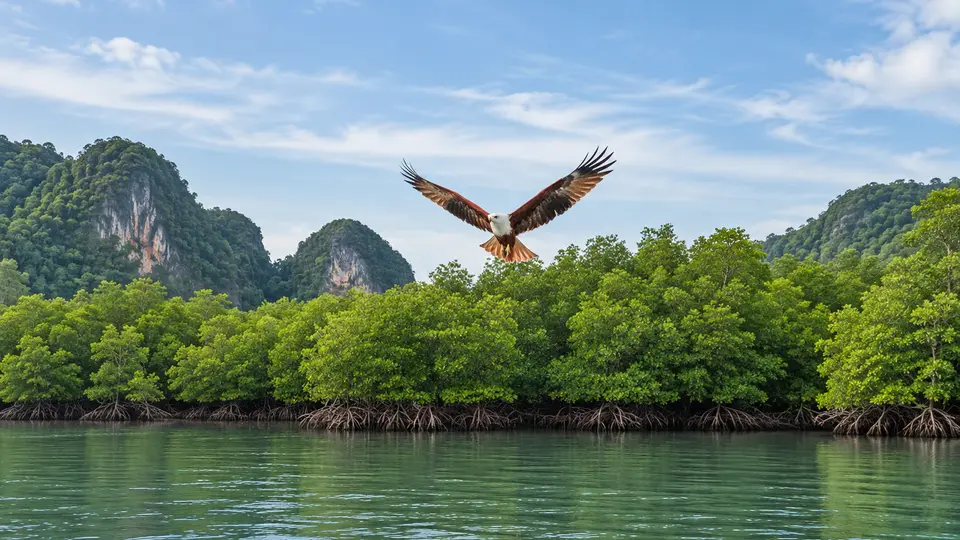
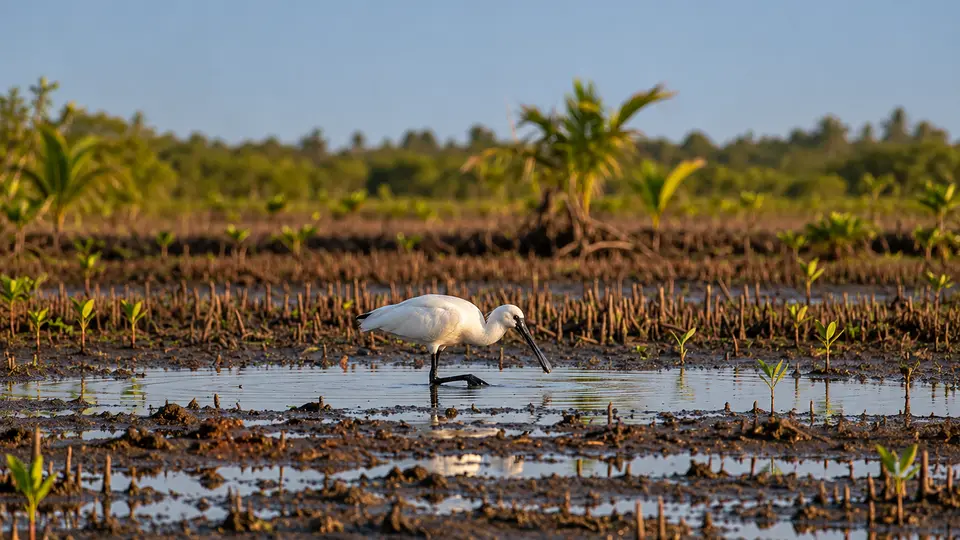
Lesser adjutantLesser adjutantBlack-faced spoonbillBlack-faced spoonbillBrahminy kiteBrahminy kite
Animal groupBirdsAnimal groupBirdsAnimal groupBirds
DestinationsVietnamDestinationsVietnamDestinationsIndonesia, Thailand, Vietnam
All wildlife destinations
Plan your trip

Find your next wildlife adventure

Compare destinations, shore programs and dates with the animals and habitats you would love to see.

  • Naturalist-led shore excursions
  • Responsible wildlife watching
  • Small expedition ships