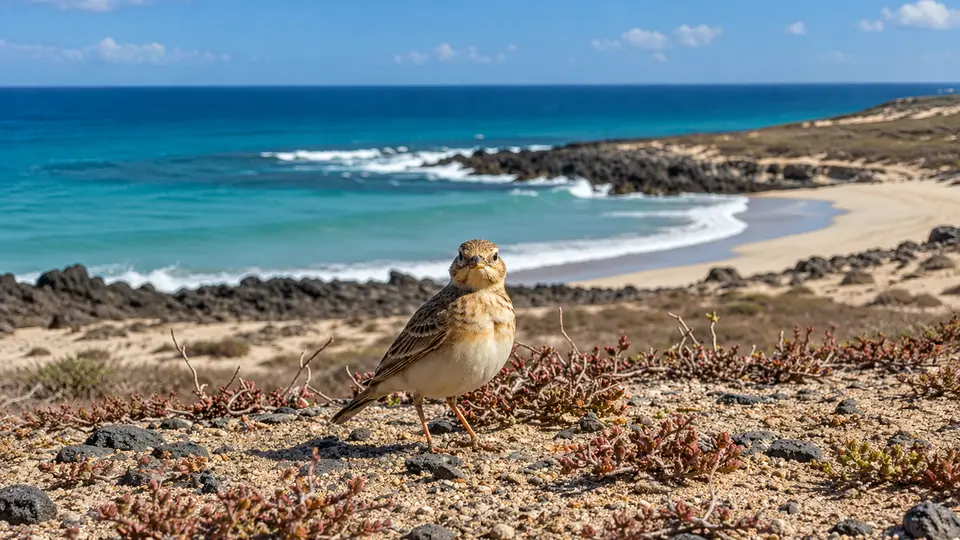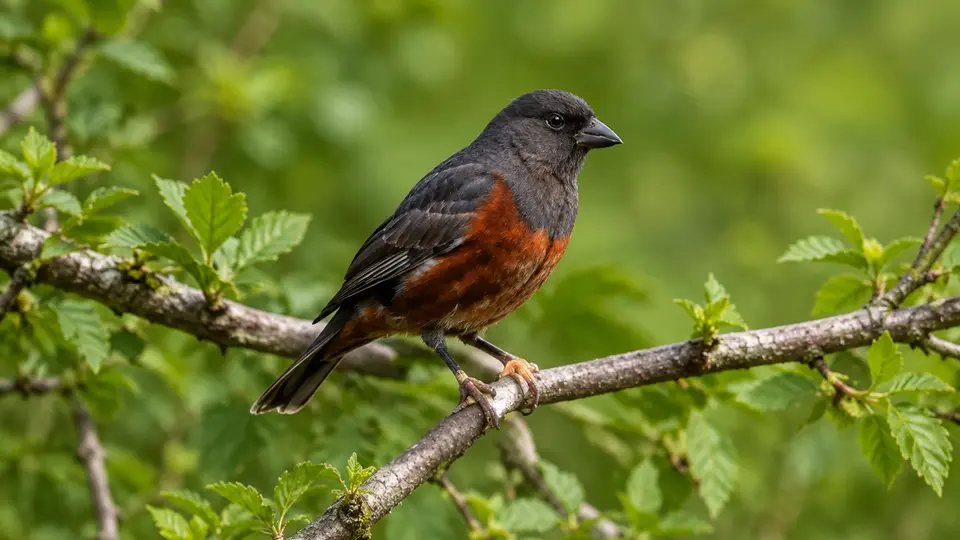
Iago Sparrow in its natural habitat

Iago SparrowPasser iagoensisWhere and when to see them

Iago Sparrow at a glance

The Iago sparrow is a small passerine endemic to the Cape Verde archipelago. It is one of the islands' characteristic land birds, occurring in dry natural habitats as well as cultivated areas and settlements. Males combine dark facial markings with warm chestnut tones, while females are much plainer. Its ability to exploit scattered food and nesting opportunities helps it occupy landscapes where rainfall and vegetation can be highly unpredictable.

Behaviour & reproduction

Size
12–13 cm (4.7–5.1 in) long
Weight
20–25 g (0.71–0.88 oz)
Lifespan
Not reliably established
Status
Least Concern

These sociable sparrows forage in groups, moving between the ground, low vegetation and buildings while exchanging short calls. They pick up seeds and small invertebrates and readily investigate human-modified habitats. Nesting may occur in loose colonies, with nests placed in cavities, rock crevices or structures. Breeding activity responds to local conditions, particularly rainfall and food availability, so a single rigid calendar does not describe every island or year. Courtship displays involve the male puffing out his bib and singing short, chirping songs. They exhibit cooperative breeding behaviors within loose colonies, sometimes utilizing the same nesting sites over multiple seasons.

Top wildlife locations

Cape Verde wildlife habitat

Cape Verde

Coastal villages, dry scrub and cultivated margins offer accessible places to search on several islands. No inland expedition is generally necessary, although abundance and suitable habitat differ across the archipelago.
Destinations describe the species' habitat, not guaranteed cruise stops. Some animals require an optional inland excursion or are found in restricted reserves.

Fun facts about the Iago Sparrow

  • Its natural range is confined to Cape Verde.
  • The name Iago refers to Santiago, one of the archipelago's islands.
  • Nests can occupy crevices in both natural rock and human structures.
  • Rainfall-driven changes in food can influence the timing of nesting.

Best time to see the Iago Sparrow

The species is resident, so suitable habitat can be checked throughout the year. Drier months often make coastal travel and walking easier. Rainfall can influence nesting and local food abundance, but the main visitor season should not be interpreted as its breeding season. Breeding activity is opportunistic and strongly linked to rainfall events, which can occur at various times of the year. While generally resident, some local movements may occur in response to food scarcity or to seek suitable breeding sites.

Iago Sparrow: season matrix by destination

Travel and observation windows vary by region. Highlighted months are an orientation for planning, not confirmed sightings or a guarantee of access.

Cape Verde

These generally drier travel months suit outdoor observation; resident birds can occur year-round, and nesting depends partly on local rainfall.

JanFebMarAprMayJunJulAugSepOctNovDec
Cruise ships in Cape Verde

Where the Iago Sparrow lives

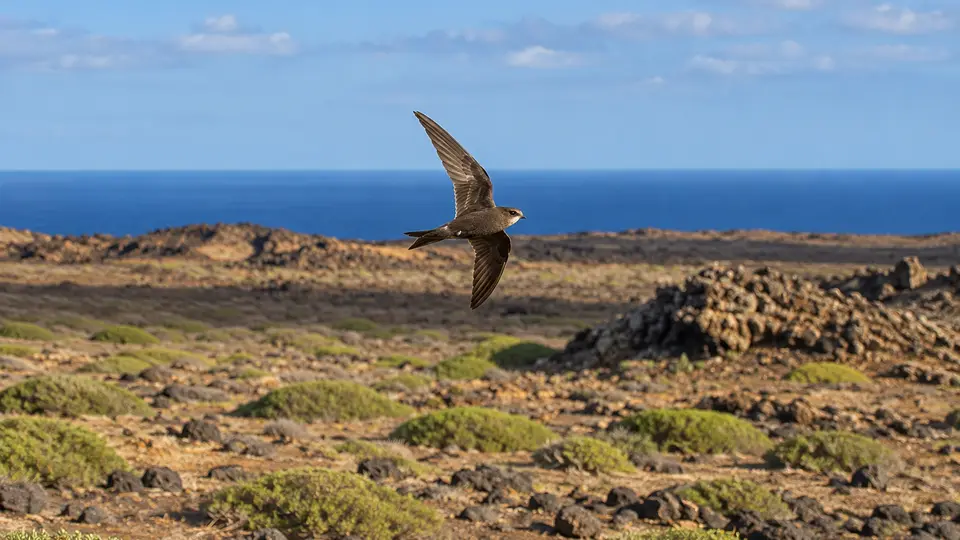
Typical habitat includes arid scrub, rocky slopes, cultivated plots, village edges and coastal settlements. Trees and buildings provide shelter and nesting sites within otherwise open country. It occurs across much of Cape Verde but is not equally abundant on every island. They are highly adaptable and thrive in human-modified landscapes, often being the most common bird in urbanized areas. Though widespread, their density can vary significantly depending on island topography and resource availability.

What the Iago Sparrow eats

Seeds and grains form much of the diet, supplemented by small insects and other invertebrates. Birds forage on bare ground and among low plants, sometimes taking food around settlements. Animal prey becomes particularly useful when adults are provisioning growing nestlings. Insects are a crucial protein source, especially during the breeding season when provisioning young. They demonstrate opportunistic feeding, readily consuming scraps and discarded food items in human settlements.

Species at a glance

Common name
Iago Sparrow
Scientific name
Passer iagoensis
Animal group
Birds
Size
12–13 cm (4.7–5.1 in) long
Weight
20–25 g (0.71–0.88 oz)
Lifespan
Not reliably established
Status
Least Concern
Identification
Males show a dark crown and bib with chestnut behind the eye, unlike the grey-crowned male house sparrow and the more heavily streaked Spanish sparrow. Females are duller and lack the distinct head patterns of the male, appearing more uniformly streaked brown. Their small size and characteristic sprightly movements also help distinguish them from other Cape Verdean passerines.

Iago Sparrow: frequently asked questions

Where can I see the Iago Sparrow?
Cape Verde. Look around quiet village edges and coastal scrub without approaching nest holes. Avoid feeding birds near roads or cafes, and take care on loose volcanic slopes while following moving flocks. Their relatively tame nature often allows for close observation in villages and around outdoor cafes, but maintain a respectful distance. Binoculars are useful for observing their foraging habits and plumage details, especially when they are on rooftops or higher perches.
When is the best time to see the Iago Sparrow?
The species is resident, so suitable habitat can be checked throughout the year. Drier months often make coastal travel and walking easier. Rainfall can influence nesting and local food abundance, but the main visitor season should not be interpreted as its breeding season. Breeding activity is opportunistic and strongly linked to rainfall events, which can occur at various times of the year. While generally resident, some local movements may occur in response to food scarcity or to seek suitable breeding sites.
How big does the Iago Sparrow get?
12–13 cm (4.7–5.1 in) long. Adult weight: 20–25 g (0.71–0.88 oz). Size varies with age, sex and population.
How should I behave around the Iago Sparrow?
Look around quiet village edges and coastal scrub without approaching nest holes. Avoid feeding birds near roads or cafes, and take care on loose volcanic slopes while following moving flocks. Their relatively tame nature often allows for close observation in villages and around outdoor cafes, but maintain a respectful distance. Binoculars are useful for observing their foraging habits and plumage details, especially when they are on rooftops or higher perches.
What does the Iago Sparrow eat?
Seeds and grains form much of the diet, supplemented by small insects and other invertebrates. Birds forage on bare ground and among low plants, sometimes taking food around settlements. Animal prey becomes particularly useful when adults are provisioning growing nestlings. Insects are a crucial protein source, especially during the breeding season when provisioning young. They demonstrate opportunistic feeding, readily consuming scraps and discarded food items in human settlements.
Are wildlife sightings guaranteed on an adventure cruise?
No. Animals move freely and routes, weather, access restrictions and local conditions influence every outing. Confirm the actual itinerary and shore program before booking.

Compare wildlife in the same destinations

Explore other birds recorded in these destinations. Similar surroundings do not mean the animals share the same habits or viewing season.

Species comparison by animal group and destination
Iago SparrowIago SparrowAlexander's SwiftAlexander's SwiftBar-tailed LarkBar-tailed Lark
Animal groupBirdsAnimal groupBirdsAnimal groupBirds
DestinationsCape VerdeDestinationsCape VerdeDestinationsCape Verde
Scientific namePasser iagoensisScientific nameScientific name
All wildlife destinations
Plan your trip

Find your next wildlife adventure

Compare destinations, shore programs and dates with the animals and habitats you would love to see.

  • Naturalist-led shore excursions
  • Responsible wildlife watching
  • Small expedition ships