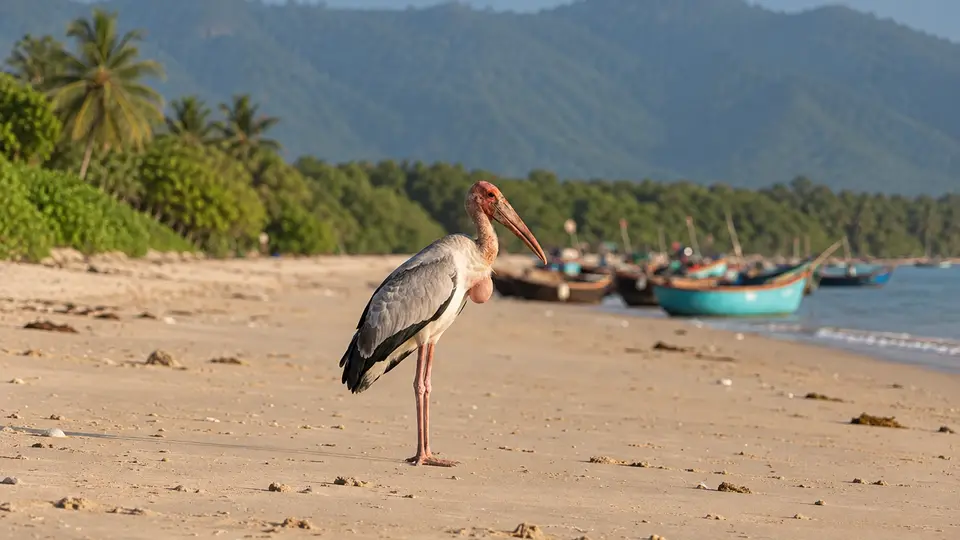
Greater adjutant in its natural habitatAI-modified

Greater adjutantLeptoptilos dubiusWhere and when to see them

Greater adjutant at a glance

The greater adjutant is an enormous Asian stork with a bare head, heavy bill and conspicuous hanging throat pouch. Once widespread across South and Southeast Asian floodplains, it now survives principally in India and Cambodia. Its scavenging habits provide an important ecological service, but wetland loss, nesting-tree removal and persecution have greatly reduced its range. In Vietnam it is an exceptionally rare prospect, not a dependable coastal bird.

Behaviour & reproduction

Size
120–150 cm (47.2–59.1 in) tall
Weight
5–8 kg (11.0–17.6 lb)
Lifespan
Not reliably established
Status
Check current assessment

Greater adjutants alternate between slow, deliberate feeding walks and soaring flights that exploit rising warm air. They gather where food is concentrated and may breed colonially in very tall trees. Adults carry material to bulky stick nests and share parental duties. Although often associated with refuse, they also search natural wetlands for animal prey. Their bare necks help limit feather fouling when reaching into carcasses or muddy feeding sites. Courtship displays involve bill-clattering and neck-stretching rituals, often performed near the nest site. They are long-lived birds, with individuals potentially surviving for several decades in the wild. These storks often roost communally in tall trees, particularly during non-breeding periods, for safety and social interaction.

Top wildlife locations

Vietnam wildlife habitatAI-modified

Vietnam

Mekong floodplain marshes provide historically relevant habitat, but current occurrence is exceptionally rare. An inland wetland excursion and recent verified records would be needed; ordinary coastal viewpoints are not dependable.
Destinations describe the species' habitat, not guaranteed cruise stops. Some animals require an optional inland excursion or are found in restricted reserves.

Fun facts about the Greater adjutant

  • Its English name refers to the stiff, military-looking way it stands and walks.
  • The hanging throat pouch is not a container for carrying fish to chicks.
  • Like other storks, it can cool itself by excreting onto its legs.
  • Community protection of nesting trees in Assam has become important to its conservation.

Best time to see the Greater adjutant

There is no dependable Vietnamese shore-observation season for this highly localized species. Dry-season wetland visits may offer easier access and more concentrated waterbirds, but that general pattern does not establish adjutant presence. Seek recent, independently verified records before planning a dedicated inland search. In Vietnam, observations are extremely rare and highly localized, typically requiring dedicated expeditions to specific protected areas. While general birding activity might increase during the dry season, the presence of Greater Adjutants is not guaranteed and requires up-to-date local intelligence. Any sightings from an adventure cruise would be considered exceptionally fortunate and likely opportunistic rather than planned.

Greater adjutant: season matrix by destination

Travel and observation windows vary by region. Highlighted months are an orientation for planning, not confirmed sightings or a guarantee of access.

Vietnam

No reliable destination-specific shore window is supported; general dry-season accessibility does not establish present occurrence.

JanFebMarAprMayJunJulAugSepOctNovDec
Cruise ships in Vietnam

Where the Greater adjutant lives

Natural habitats include seasonally flooded grassland, freshwater marshes, shallow lakes and broad river floodplains. Large nesting trees must stand within travelling distance of feeding grounds. Remaining populations also use rubbish dumps, but apparently suitable Vietnamese wetlands should not be treated as evidence of current occupation. Historically, this species occupied a vast range across South and Southeast Asia, but habitat loss and disturbance have severely restricted its current distribution. In Vietnam, only a few remaining suitable wetland complexes and adjacent forests support the species, primarily in the Mekong Delta region. Restoration efforts in some areas aim to recreate the mosaic of aquatic and terrestrial habitats essential for their survival.

What the Greater adjutant eats

This stork takes fish, frogs, reptiles and other small animals, alongside carrion and discarded animal material. Its massive bill handles relatively large food items. Feeding opportunities shift with flood levels, drying pools and human waste availability rather than following a single narrow prey specialization. Young adjutants are fed a diet primarily consisting of fish, which their parents regurgitate. They are opportunistic scavengers and predators, often outcompeting smaller storks or birds for food items. Their feeding strategy, combining active hunting with scavenging, allows them to exploit a wide array of food sources in dynamic wetland environments.

Species at a glance

Common name
Greater adjutant
Scientific name
Leptoptilos dubius
Animal group
Birds
Size
120–150 cm (47.2–59.1 in) tall
Weight
5–8 kg (11.0–17.6 lb)
Lifespan
Not reliably established
Status
Check current assessment
Identification
Compared with the lesser adjutant, it is larger and heavier-billed, with a conspicuous pendulous throat pouch and a paler panel across the upperwing. Beyond size and bill characteristics, the Greater Adjutant's distinctive bare head and neck often display shades of reddish-orange or yellowish skin. Juveniles initially lack the prominent throat pouch and have duller plumage, developing adult characteristics over several years. Their immense size and distinctive flight profile with slow, powerful wingbeats make them unmistakable once familiar.

Greater adjutant: frequently asked questions

Where can I see the Greater adjutant?
Vietnam. Use binoculars from established wetland paths or distant viewpoints. Do not approach nesting trees or enter refuse sites, where traffic, unstable waste and disease hazards outweigh viewing opportunities. Vietnamese sightings cannot be assumed. Remote viewing is critical for this shy and easily disturbed species, especially near nesting sites. If present, they can sometimes be seen soaring high on thermals, appearing as large, dark silhouettes against the sky. Observing these birds from a distance helps minimize disturbance to their critical feeding and roosting grounds.
When is the best time to see the Greater adjutant?
There is no dependable Vietnamese shore-observation season for this highly localized species. Dry-season wetland visits may offer easier access and more concentrated waterbirds, but that general pattern does not establish adjutant presence. Seek recent, independently verified records before planning a dedicated inland search. In Vietnam, observations are extremely rare and highly localized, typically requiring dedicated expeditions to specific protected areas. While general birding activity might increase during the dry season, the presence of Greater Adjutants is not guaranteed and requires up-to-date local intelligence. Any sightings from an adventure cruise would be considered exceptionally fortunate and likely opportunistic rather than planned.
How big does the Greater adjutant get?
120–150 cm (47.2–59.1 in) tall. Adult weight: 5–8 kg (11.0–17.6 lb). Size varies with age, sex and population.
How should I behave around the Greater adjutant?
Use binoculars from established wetland paths or distant viewpoints. Do not approach nesting trees or enter refuse sites, where traffic, unstable waste and disease hazards outweigh viewing opportunities. Vietnamese sightings cannot be assumed. Remote viewing is critical for this shy and easily disturbed species, especially near nesting sites. If present, they can sometimes be seen soaring high on thermals, appearing as large, dark silhouettes against the sky. Observing these birds from a distance helps minimize disturbance to their critical feeding and roosting grounds.
What does the Greater adjutant eat?
This stork takes fish, frogs, reptiles and other small animals, alongside carrion and discarded animal material. Its massive bill handles relatively large food items. Feeding opportunities shift with flood levels, drying pools and human waste availability rather than following a single narrow prey specialization. Young adjutants are fed a diet primarily consisting of fish, which their parents regurgitate. They are opportunistic scavengers and predators, often outcompeting smaller storks or birds for food items. Their feeding strategy, combining active hunting with scavenging, allows them to exploit a wide array of food sources in dynamic wetland environments.
Are wildlife sightings guaranteed on an adventure cruise?
No. Animals move freely and routes, weather, access restrictions and local conditions influence every outing. Confirm the actual itinerary and shore program before booking.

Compare wildlife in the same destinations

Explore other birds recorded in these destinations. Similar surroundings do not mean the animals share the same habits or viewing season.

Species comparison by animal group and destination
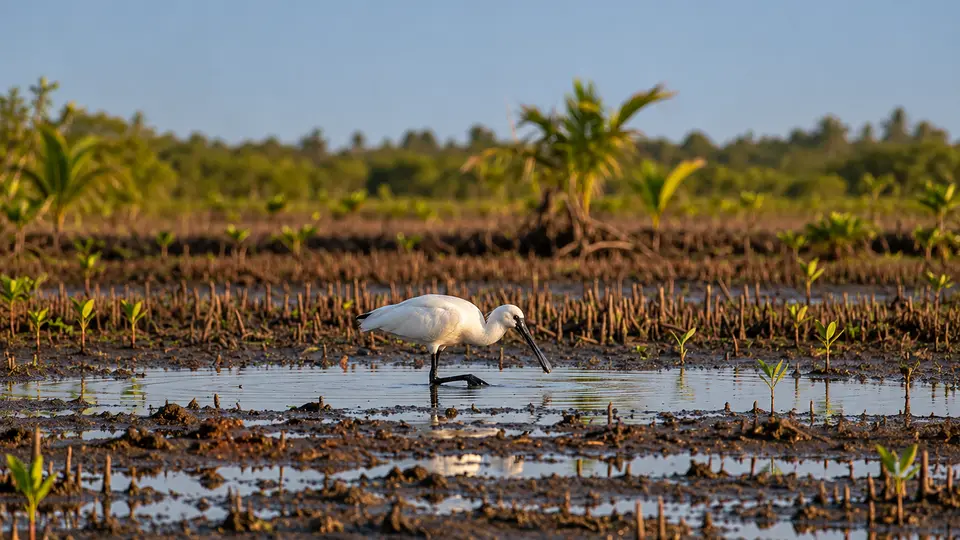
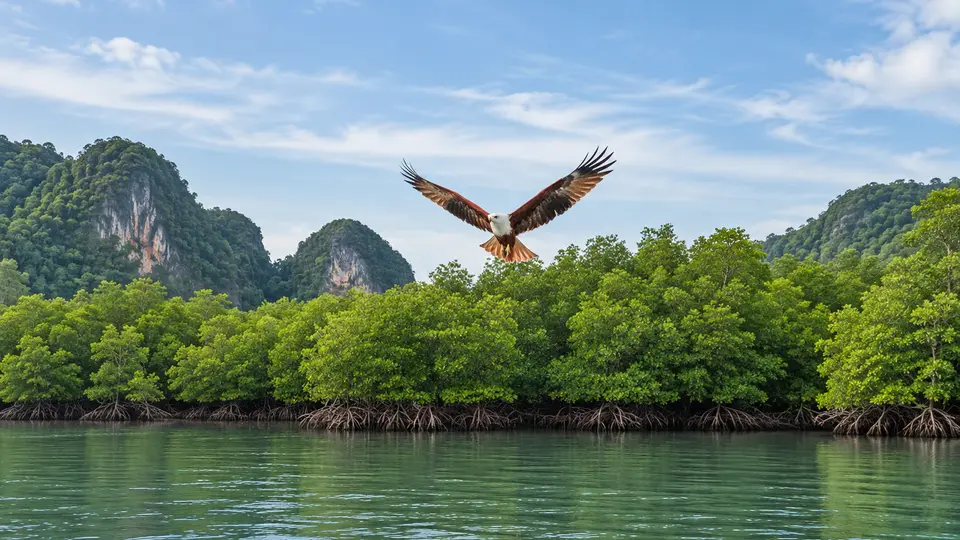
Greater adjutantAI-modifiedGreater adjutantBlack-faced spoonbillAI-modifiedBlack-faced spoonbillBrahminy kiteAI-modifiedBrahminy kite
Animal groupBirdsAnimal groupBirdsAnimal groupBirds
DestinationsVietnamDestinationsVietnamDestinationsIndonesia, Thailand, Vietnam
Scientific nameLeptoptilos dubiusScientific nameScientific name
All wildlife destinations
AI-modified
Plan your trip

Find your next wildlife adventure

Compare destinations, shore programs and dates with the animals and habitats you would love to see.

  • Naturalist-led shore excursions
  • Responsible wildlife watching
  • Small expedition ships