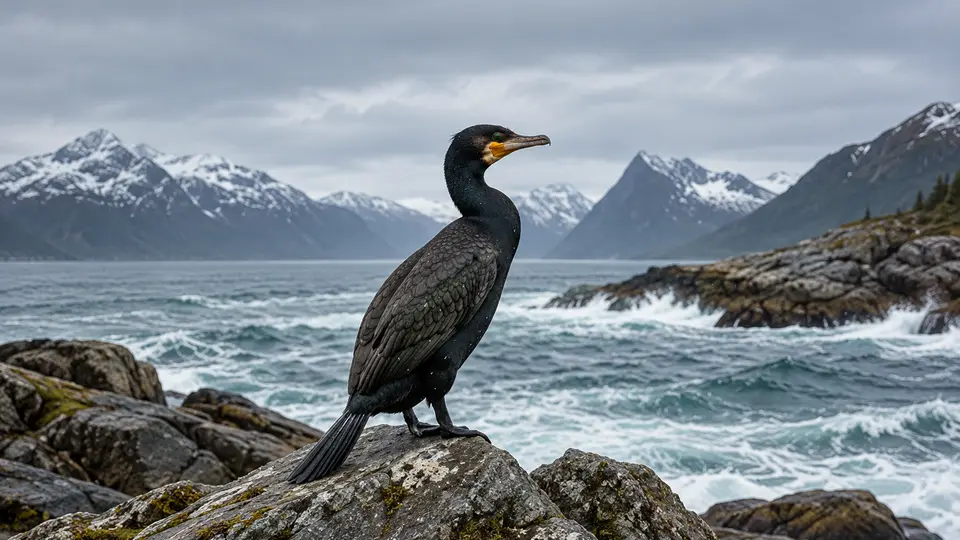
Great Cormorant in its natural habitatAI-modified

Great CormorantPhalacrocorax carboWhere and when to see them

Great Cormorant at a glance

The great cormorant is a large, dark waterbird with a strong hooked bill, long neck and an angular profile when perched. Adults acquire white thigh patches and pale head feathers in breeding condition. Its wide distribution includes both coastal and inland waters across several continents. Along Norway's coast, it occupies rocky islands and sheltered fishing grounds, often sharing the broader seascape with the smaller, more exclusively marine European shag.

Behaviour & reproduction

Size
80-100 cm (31.5-39.4 in) long
Weight
2-3.5 kg (4.4-7.7 lb)
Lifespan
Not reliably established
Status
Least Concern

Great cormorants pursue fish using powerful foot propulsion, then return to rocks, posts or shorelines to rest. Their characteristic spread-wing posture helps manage wet plumage and heat balance. Colonies can be noisy, with birds bringing seaweed, sticks and other material to bulky nests. Outside breeding they may roost communally, commute in lines or loose formations, and gather where tides or fish movements concentrate profitable feeding opportunities near the coast. Cormorants have less preen oil than other seabirds, necessitating regular drying of their feathers to restore insulation and buoyancy. They are highly social, especially during breeding, forming large, sometimes mixed-species, colonies with other seabirds like gulls and terns.

Top wildlife locations

Norway wildlife habitatAI-modified

Norway

Fjord promenades, harbor viewpoints and rocky coastal paths can overlook feeding waters or offshore roosts. Nesting islands may be protected and inaccessible, so observation should remain on established shore routes or distant decks.
Destinations describe the species' habitat, not guaranteed cruise stops. Some animals require an optional inland excursion or are found in restricted reserves.

Fun facts about the Great Cormorant

  • All four toes are joined by webbing.
  • Breeding adults briefly develop a bright white patch on each thigh.
  • The name cormorant derives from words meaning sea raven.
  • Some populations breed in trees far from the coast.

Best time to see the Great Cormorant

May through September offers long daylight and generally easier coastal travel in Norway. Great cormorants also occur during colder months, with distribution changing by region and population. Spring breeding plumage can aid identification, but colony access may be restricted. Late spring and early summer offer optimal viewing of active breeding colonies, providing insight into their social structure and parental care. During autumn migration, large congregations can be observed as birds move to overwintering grounds or more productive feeding areas.

Great Cormorant: season matrix by destination

Travel and observation windows vary by region. Highlighted months are an orientation for planning, not confirmed sightings or a guarantee of access.

Norway

These months emphasize daylight and coastal accessibility, not exclusive presence; regional movements and colony restrictions affect local opportunities.

JanFebMarAprMayJunJulAugSepOctNovDec
Cruise ships in Norway

Where the Great Cormorant lives

This adaptable species uses rocky seacoasts, estuaries, fjords, lakes and large rivers. Norwegian coastal birds commonly rest and nest on islands or ledges, while sheltered bays offer feeding areas. Quiet roosting sites are important even where nearby waters experience regular vessel traffic. They are often found close to human activity, sometimes even nesting on manmade structures like abandoned piers or navigation buoys. In Norway, freshwater populations also exist, utilizing large inland lakes and rivers, often at lower densities than coastal groups.

What the Great Cormorant eats

Fish form almost the entire diet, with species and sizes varying among habitats. Coastal birds take a mixture of bottom-associated and open-water fish. Prey is usually brought into a swallowing position headfirst, and larger fish may require considerable handling. Studies indicate a significant portion of their diet consists of species like cod, saithe, and herring, reflecting local availability. They are opportunistic predators, often foraging in relatively shallow waters where prey is easily accessible.

Species at a glance

Common name
Great Cormorant
Scientific name
Phalacrocorax carbo
Animal group
Birds
Size
80-100 cm (31.5-39.4 in) long
Weight
2-3.5 kg (4.4-7.7 lb)
Lifespan
Not reliably established
Status
Least Concern
Identification
It is bulkier than the European shag, with a heavier bill, pale throat area and, in breeding adults, a conspicuous white thigh patch. Distinguishing characteristics include their large size, thick neck, and often greenish gloss to their black plumage, which can be visible in good light. Juveniles are typically browner with a paler belly, gradually acquiring adult plumage over several years.

Great Cormorant: frequently asked questions

Where can I see the Great Cormorant?
Norway. Scan offshore rocks and harbor-edge roosts from public paths or a distant deck. Avoid approaching nesting islands or flushing resting groups, and take care on slippery rock platforms exposed to waves. Look for them perched prominently on channel markers, navigational aids, or rocky islets, often drying their wings. Observing them from a distance with binoculars allows for detailed study without causing disturbance, especially during sensitive nesting periods.
When is the best time to see the Great Cormorant?
May through September offers long daylight and generally easier coastal travel in Norway. Great cormorants also occur during colder months, with distribution changing by region and population. Spring breeding plumage can aid identification, but colony access may be restricted. Late spring and early summer offer optimal viewing of active breeding colonies, providing insight into their social structure and parental care. During autumn migration, large congregations can be observed as birds move to overwintering grounds or more productive feeding areas.
How big does the Great Cormorant get?
80-100 cm (31.5-39.4 in) long. Adult weight: 2-3.5 kg (4.4-7.7 lb). Size varies with age, sex and population.
How should I behave around the Great Cormorant?
Scan offshore rocks and harbor-edge roosts from public paths or a distant deck. Avoid approaching nesting islands or flushing resting groups, and take care on slippery rock platforms exposed to waves. Look for them perched prominently on channel markers, navigational aids, or rocky islets, often drying their wings. Observing them from a distance with binoculars allows for detailed study without causing disturbance, especially during sensitive nesting periods.
What does the Great Cormorant eat?
Fish form almost the entire diet, with species and sizes varying among habitats. Coastal birds take a mixture of bottom-associated and open-water fish. Prey is usually brought into a swallowing position headfirst, and larger fish may require considerable handling. Studies indicate a significant portion of their diet consists of species like cod, saithe, and herring, reflecting local availability. They are opportunistic predators, often foraging in relatively shallow waters where prey is easily accessible.
Are wildlife sightings guaranteed on an adventure cruise?
No. Animals move freely and routes, weather, access restrictions and local conditions influence every outing. Confirm the actual itinerary and shore program before booking.

Compare wildlife in the same destinations

Explore other birds recorded in these destinations. Similar surroundings do not mean the animals share the same habits or viewing season.

Species comparison by animal group and destination
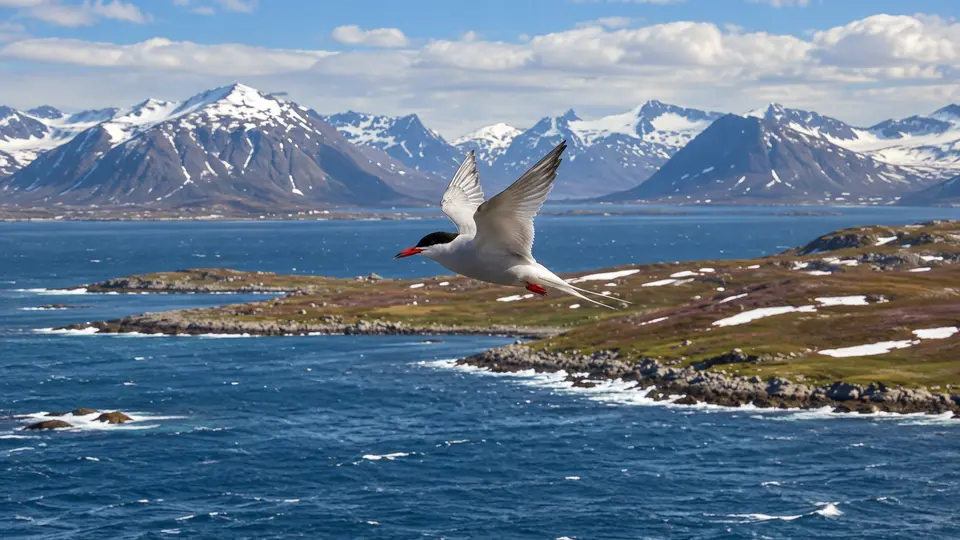
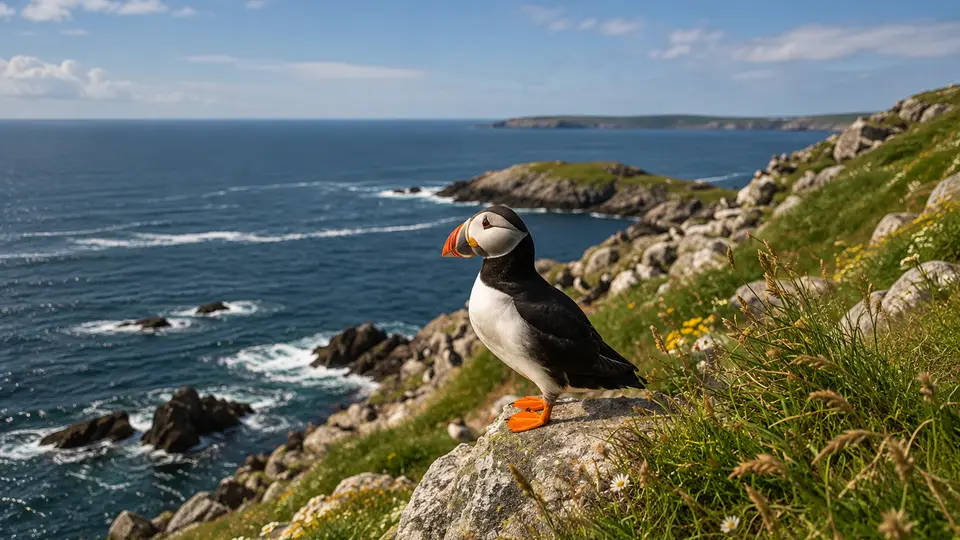
Great CormorantAI-modifiedGreat CormorantArctic TernAI-modifiedArctic TernAtlantic PuffinAI-modifiedAtlantic Puffin
Animal groupBirdsAnimal groupBirdsAnimal groupBirds
DestinationsNorwayDestinationsAlaska, Norway, ArcticDestinationsNew England, Norway, Scotland, Arctic
Scientific namePhalacrocorax carboScientific nameScientific name
All wildlife destinations
AI-modified
Plan your trip

Find your next wildlife adventure

Compare destinations, shore programs and dates with the animals and habitats you would love to see.

  • Naturalist-led shore excursions
  • Responsible wildlife watching
  • Small expedition ships