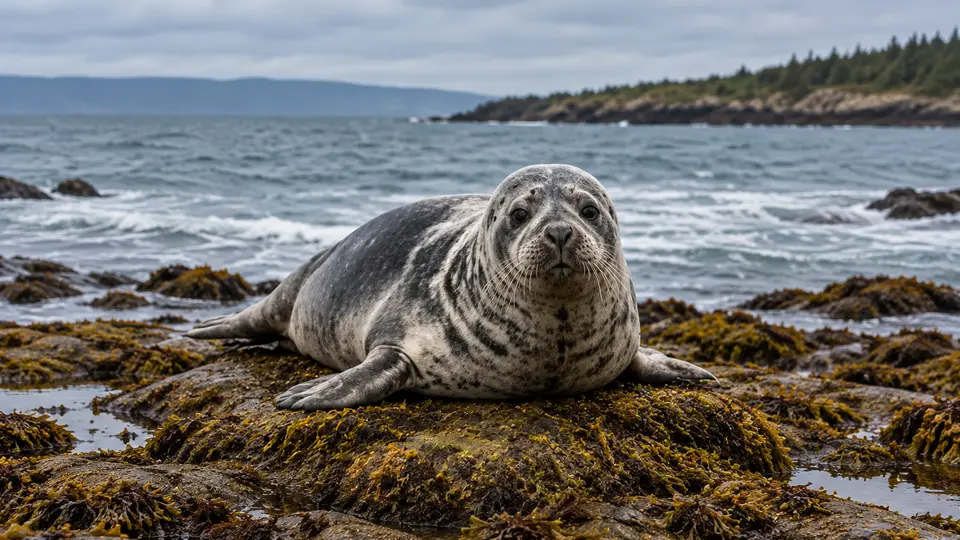
Gray Seal in its natural habitat, AI illustration

Gray SealHalichoerus grypusWhere and when to see them

Gray Seal at a glance

The gray seal is a large North Atlantic seal with a long muzzle and a strongly variable coat, ranging from pale silver with dark blotches to almost charcoal. Males are substantially heavier than females and develop especially imposing heads. Once heavily persecuted around parts of New England, the species has recovered in many areas under protection. It remains a wild marine predator, using beaches and rocky islands for essential rest.

Behaviour & reproduction

Size
1.7-2.6 m long
Weight
100-300 kg
Lifespan
25-35 years
Status
Least Concern

Gray seals alternate feeding trips with periods hauled out on sandbars, beaches or rocks. They may gather densely at favored resting places, although crowding often produces growls, flipper waving and short disputes. During breeding, males compete for access to females rather than maintaining permanent pairs. Pups initially wear a pale insulating coat and nurse on exceptionally rich milk before becoming independent. Resting animals can move surprisingly quickly when disturbed. Adult males can weigh significantly more than females, reaching up to 880 pounds, while females typically weigh around 550 pounds. Pups are born with a thick, white lanugo coat that is shed after about three to four weeks, revealing a denser, adult-like coat.

Top wildlife locations

New England wildlife habitat

New England

Look from public coastal viewpoints toward offshore sandbars, rocky islands and quiet beaches. Cape Cod and nearby waters hold substantial populations, but particular haul-outs may be distant, restricted or empty at a given tide.
Destinations describe the species' habitat, not guaranteed cruise stops. Some animals require an optional inland excursion or are found in restricted reserves.

Fun facts about the Gray Seal

  • The scientific genus name means sea pig.
  • Females nurse their pups for only about three weeks.
  • Males may have much darker necks and shoulders than females.
  • Individuals can sometimes be recognized from persistent coat patterns.

Best time to see the Gray Seal

New England offers coastal observation opportunities throughout the year, with late spring through autumn generally providing easier travel and longer daylight. Winter pupping occurs at some regional colonies, but this is a sensitive period rather than an invitation to approach breeding beaches. While generally elusive in summer, increased numbers can be observed during the fall and winter months as they migrate south or gather for breeding. Late winter offers the best chance to see newly born pups at established breeding colonies, though always from a respectful distance.

Gray Seal: season matrix by destination

Travel and observation windows vary by region. Highlighted months are an orientation for planning, not confirmed sightings or a guarantee of access.

New England

These months favor coastal access and daylight; seals occur year-round, and winter breeding sites require especially careful avoidance.

JanFebMarAprMayJunJulAugSepOctNovDec
Cruise ships in New England

Where the Gray Seal lives

This species occupies cool temperate and subarctic coasts of the North Atlantic. In New England, exposed islands, tidal shoals and quiet beaches provide resting and pupping habitat, while nearby continental-shelf waters support feeding. Suitable haul-outs change with tides and weather. Their New England range extends from Maine south to Cape Cod, occasionally reaching as far as New Jersey. Specific island groups and remote coastal areas are crucial for their large breeding aggregations.

What the Gray Seal eats

Gray seals eat a broad variety of fish, including sand lance, herring, cod relatives and flatfish, as well as squid and other marine prey. Diet varies locally and seasonally. They often forage near the seabed but also pursue schooling fish. Studies show that gray seals are opportunistic foragers, adapting their diet based on prey availability and local abundance. They are also known to consume crustaceans and cephalopods, further demonstrating their diverse diet.

Species at a glance

Common name
Gray Seal
Scientific name
Halichoerus grypus
Animal group
Mammals
Size
1.7-2.6 m long
Weight
100-300 kg
Lifespan
25-35 years
Status
Least Concern
Identification
Compared with harbor seals, gray seals have a longer, straighter muzzle, more widely separated nostrils and a less rounded head. Adult males often display a dark, almost black coat with lighter patches, while females are generally lighter, with dark spots on a gray or tan background. Younger seals tend to have a lighter, often silver-gray coat.

Gray Seal: frequently asked questions

Where can I see the Gray Seal?
New England. Watch haul-outs from established shore viewpoints or a distant deck, using binoculars. Keep at least 150 feet away where possible, follow stricter local rules, and never block a seal's route to the sea or approach pups. When viewing from a boat, approach slowly and maintain a consistent course to minimize disturbance. Always be mindful of local marine mammal viewing guidelines, which often mandate specific distances for vessels.
When is the best time to see the Gray Seal?
New England offers coastal observation opportunities throughout the year, with late spring through autumn generally providing easier travel and longer daylight. Winter pupping occurs at some regional colonies, but this is a sensitive period rather than an invitation to approach breeding beaches. While generally elusive in summer, increased numbers can be observed during the fall and winter months as they migrate south or gather for breeding. Late winter offers the best chance to see newly born pups at established breeding colonies, though always from a respectful distance.
How big does the Gray Seal get?
1.7-2.6 m long. Adult weight: 100-300 kg. Size varies with age, sex and population.
How should I behave around the Gray Seal?
Watch haul-outs from established shore viewpoints or a distant deck, using binoculars. Keep at least 150 feet away where possible, follow stricter local rules, and never block a seal's route to the sea or approach pups. When viewing from a boat, approach slowly and maintain a consistent course to minimize disturbance. Always be mindful of local marine mammal viewing guidelines, which often mandate specific distances for vessels.
What does the Gray Seal eat?
Gray seals eat a broad variety of fish, including sand lance, herring, cod relatives and flatfish, as well as squid and other marine prey. Diet varies locally and seasonally. They often forage near the seabed but also pursue schooling fish. Studies show that gray seals are opportunistic foragers, adapting their diet based on prey availability and local abundance. They are also known to consume crustaceans and cephalopods, further demonstrating their diverse diet.
Are wildlife sightings guaranteed on an adventure cruise?
No. Animals move freely and routes, weather, access restrictions and local conditions influence every outing. Confirm the actual itinerary and shore program before booking.

Compare wildlife in the same destinations

Explore other mammals recorded in these destinations. Similar surroundings do not mean the animals share the same habits or viewing season.

Species comparison by animal group and destination
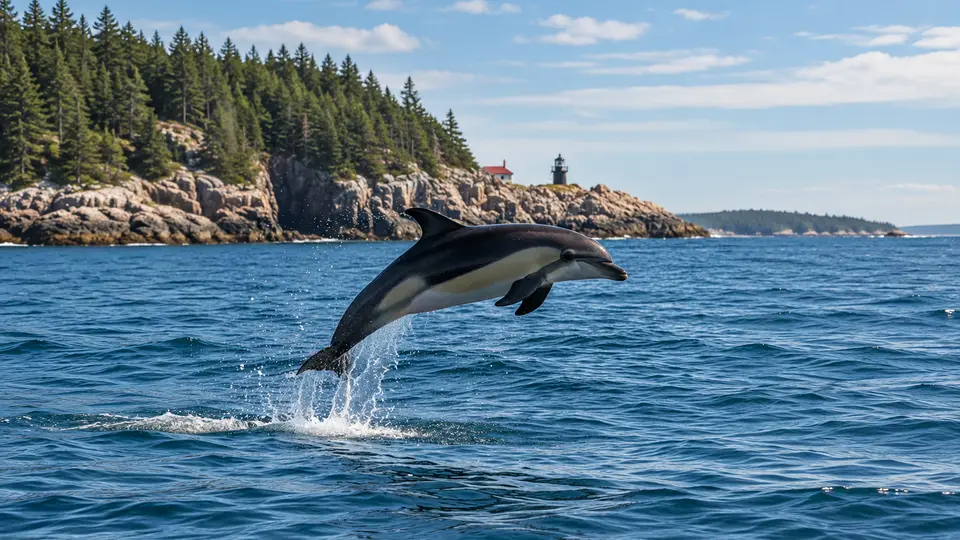
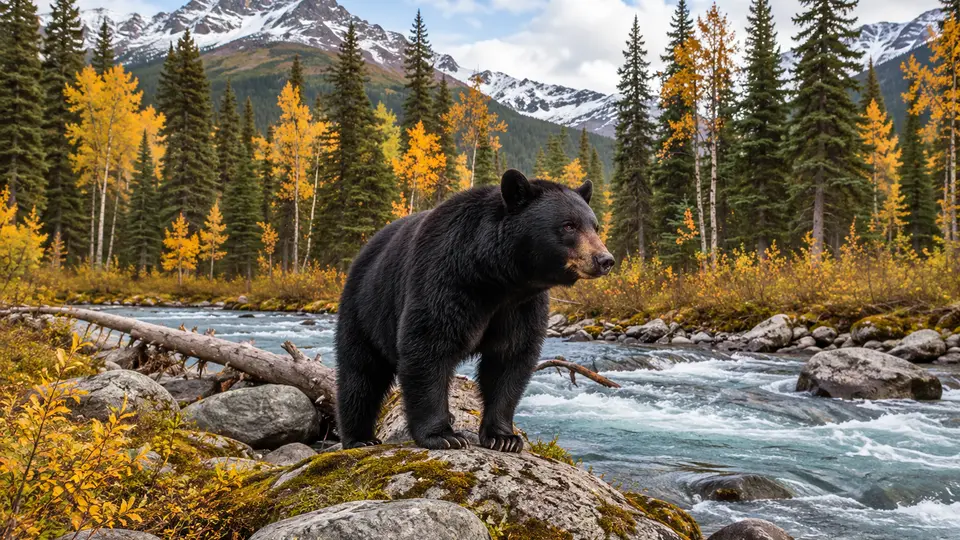
Gray SealGray SealAmerican Black BearAmerican Black BearAtlantic White-sided DolphinAtlantic White-sided Dolphin
Animal groupMammalsAnimal groupMammalsAnimal groupMammals
DestinationsNew EnglandDestinationsAlaska, New EnglandDestinationsNew England
All wildlife destinations
Plan your trip

Find your next wildlife adventure

Compare destinations, shore programs and dates with the animals and habitats you would love to see.

  • Naturalist-led shore excursions
  • Responsible wildlife watching
  • Small expedition ships

Newsletter

Take Blue Rides with you

Adventure cruise offers, last-minute deals and trip inspiration.

Free, unsubscribe anytime. Details: Privacy Policy

Partner with Blue Rides

Affiliate Program

Recommend adventure cruises and earn commission on every confirmed booking.

Share. Track. Earn.

Your footage, our stage

Send us your videos or pictures.

Captured remarkable nature or wildlife on your journey? Share it with us, we may feature it on Blue Rides.