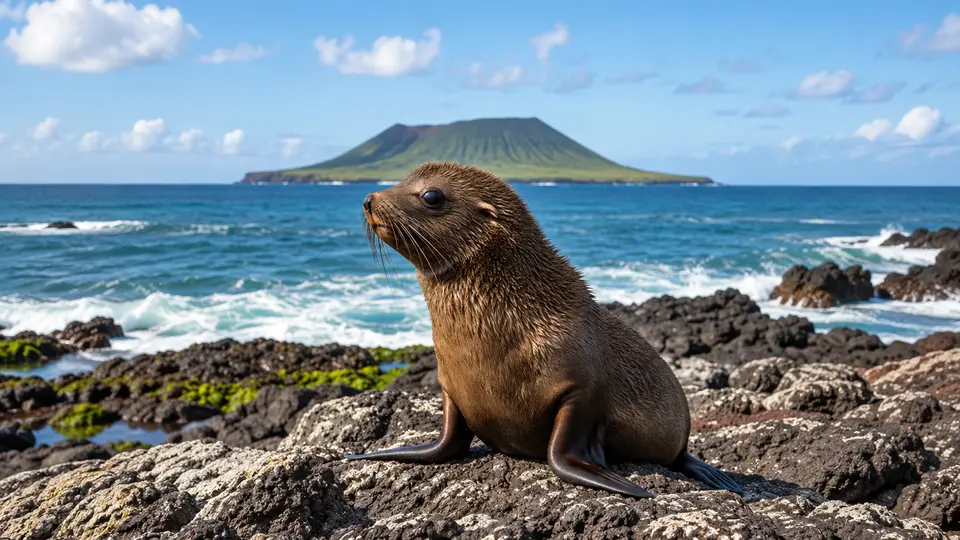
Galápagos Fur Seal in its natural habitatAI-modified

Galápagos Fur SealArctocephalus galapagoensisWhere and when to see them

Galápagos Fur Seal at a glance

The Galápagos fur seal is an endemic eared seal adapted to life on a tropical archipelago influenced by cool ocean currents. Smaller and more densely furred than the Galápagos sea lion, it favors shaded rocky shores rather than broad exposed beaches. Its population is vulnerable to shortages of marine food during strong El Niño events. Historical sealing greatly reduced numbers, and modern protection does not remove the risks associated with ocean warming.

Behaviour & reproduction

Size
1.2–1.5 m (3.9–4.9 ft) long
Weight
25–65 kg (55–143 lb)
Lifespan
15–20 years
Status
Endangered

Most feeding takes place at night, while daylight hours are often spent resting among shaded lava blocks. Females alternate feeding trips with nursing visits, recognizing their pups through calls and scent. Young may remain dependent on maternal milk for unusually long periods, sometimes overlapping with a younger sibling. During the breeding season, territorial males defend access to groups of females, and disputes can involve forceful vocal and physical displays. Pups exhibit an extended period of maternal dependency, often nursing for up to two or three years, which is unusually long for pinnipeds. This prolonged dependency is thought to be an adaptation to the unpredictable food availability in the Galápagos waters. During territorial disputes, males often engage in intense, high-pitched vocalizations and often exhibit characteristic head-shaking and biting displays.

Top wildlife locations

Galapagos wildlife habitatAI-modified

Galapagos

Permitted coastal viewpoints beside shaded lava shores may reveal resting fur seals, especially in productive western areas. Many colony sections are inaccessible or protected, and animals should never be approached within rocky shelters.
Destinations describe the species' habitat, not guaranteed cruise stops. Some animals require an optional inland excursion or are found in restricted reserves.

Fun facts about the Galápagos Fur Seal

  • It is among the smallest living eared seals.
  • Its dense underfur was the reason historical sealers targeted it.
  • Pups can continue nursing for two years or longer.
  • Mothers and pups use distinctive calls to find one another.

Best time to see the Galápagos Fur Seal

Fur seals can be present on resting shores throughout the year. Breeding generally peaks between August and November, when pups and territorial behavior increase sensitivity to disturbance. Daytime coastal viewing usually reveals resting animals, not their largely nocturnal feeding activity. While pups are born year-round, the peak breeding season offers the best chance to observe intricate social interactions and maternal care. The cooler garúa season from July to December generally brings more productive waters and higher prey availability, supporting the energy demands of breeding. Visitors in these months may witness active courtship displays and territorial male challenges.

Galápagos Fur Seal: season matrix by destination

Travel and observation windows vary by region. Highlighted months are an orientation for planning, not confirmed sightings or a guarantee of access.

Galapagos

Year-round coastal travel window; August to November broadly overlaps breeding, but access and colony visibility remain site-dependent.

JanFebMarAprMayJunJulAugSepOctNovDec
Cruise ships in Galapagos

Where the Galápagos Fur Seal lives

Rocky coastlines with crevices, caves and shaded lava ledges provide essential resting and breeding habitat. Colonies are especially associated with productive western waters, although the species occurs elsewhere in the islands. Access to shade helps these densely furred mammals avoid excessive heat. These endemic pinnipeds are the smallest of the world's fur seals, an adaptation that helps them cope with warmer tropical environments. Unlike sea lions, fur seals prefer rugged, rocky shorelines with plenty of shelter from the sun, rather than open sandy beaches. They rarely venture onto soft sand or exposed coastal areas, preferring the cover offered by volcanic formations.

What the Galápagos Fur Seal eats

Small fish and squid dominate the diet, with feeding concentrated at night when suitable prey is more accessible. Mothers require dependable food supplies to support prolonged nursing. Warm-water events can reduce prey availability and lead to severe pup mortality and wider population declines. Despite their small size, Galápagos fur seals are adept nocturnal hunters, utilizing their sensitive vibrissae to detect prey in low light conditions. They are considered an opportunistic feeder, primarily consuming small pelagic fish like sardines and anchovies, along with various cephalopods. Their diet makes them particularly vulnerable to El Niño events, which warm surface waters and reduce the abundance of these cold-water prey species.

Species at a glance

Common name
Galápagos Fur Seal
Scientific name
Arctocephalus galapagoensis
Animal group
Mammals
Size
1.2–1.5 m (3.9–4.9 ft) long
Weight
25–65 kg (55–143 lb)
Lifespan
15–20 years
Status
Endangered
Identification
Compared with the Galápagos sea lion, it has a shorter muzzle, larger-looking eyes, more prominent ears and a denser, shaggy coat. The Galápagos fur seal typically has a dark brown to black pelage, often appearing shaggy or unkempt, contrasting with the smoother, sleek appearance of the Galápagos sea lion. Look for their distinctly pointed, dog-like snout and a thick neck, which further differentiates them from their sea lion cousins. Their larger eyes, relative to head size, are an adaptation for their nocturnal foraging habits.

Galápagos Fur Seal: frequently asked questions

Where can I see the Galápagos Fur Seal?
Galapagos. Observe shaded lava ledges from authorized paths or a distant deck. Keep well back from mothers, pups and territorial males, never block access to the sea, and do not reach into occupied crevices. When viewing from a Zodiac or small boat, maintain a respectful distance to avoid disturbing resting individuals or breeding colonies. Always ensure your presence does not alter their natural behavior or cause them to move away from shade or their pups. Binoculars are highly recommended for detailed observation of their unique coat patterns and facial features from a safe distance.
When is the best time to see the Galápagos Fur Seal?
Fur seals can be present on resting shores throughout the year. Breeding generally peaks between August and November, when pups and territorial behavior increase sensitivity to disturbance. Daytime coastal viewing usually reveals resting animals, not their largely nocturnal feeding activity. While pups are born year-round, the peak breeding season offers the best chance to observe intricate social interactions and maternal care. The cooler garúa season from July to December generally brings more productive waters and higher prey availability, supporting the energy demands of breeding. Visitors in these months may witness active courtship displays and territorial male challenges.
How big does the Galápagos Fur Seal get?
1.2–1.5 m (3.9–4.9 ft) long. Adult weight: 25–65 kg (55–143 lb). Size varies with age, sex and population.
How should I behave around the Galápagos Fur Seal?
Observe shaded lava ledges from authorized paths or a distant deck. Keep well back from mothers, pups and territorial males, never block access to the sea, and do not reach into occupied crevices. When viewing from a Zodiac or small boat, maintain a respectful distance to avoid disturbing resting individuals or breeding colonies. Always ensure your presence does not alter their natural behavior or cause them to move away from shade or their pups. Binoculars are highly recommended for detailed observation of their unique coat patterns and facial features from a safe distance.
What does the Galápagos Fur Seal eat?
Small fish and squid dominate the diet, with feeding concentrated at night when suitable prey is more accessible. Mothers require dependable food supplies to support prolonged nursing. Warm-water events can reduce prey availability and lead to severe pup mortality and wider population declines. Despite their small size, Galápagos fur seals are adept nocturnal hunters, utilizing their sensitive vibrissae to detect prey in low light conditions. They are considered an opportunistic feeder, primarily consuming small pelagic fish like sardines and anchovies, along with various cephalopods. Their diet makes them particularly vulnerable to El Niño events, which warm surface waters and reduce the abundance of these cold-water prey species.
Are wildlife sightings guaranteed on an adventure cruise?
No. Animals move freely and routes, weather, access restrictions and local conditions influence every outing. Confirm the actual itinerary and shore program before booking.

Compare wildlife in the same destinations

Explore other mammals recorded in these destinations. Similar surroundings do not mean the animals share the same habits or viewing season.

Species comparison by animal group and destination
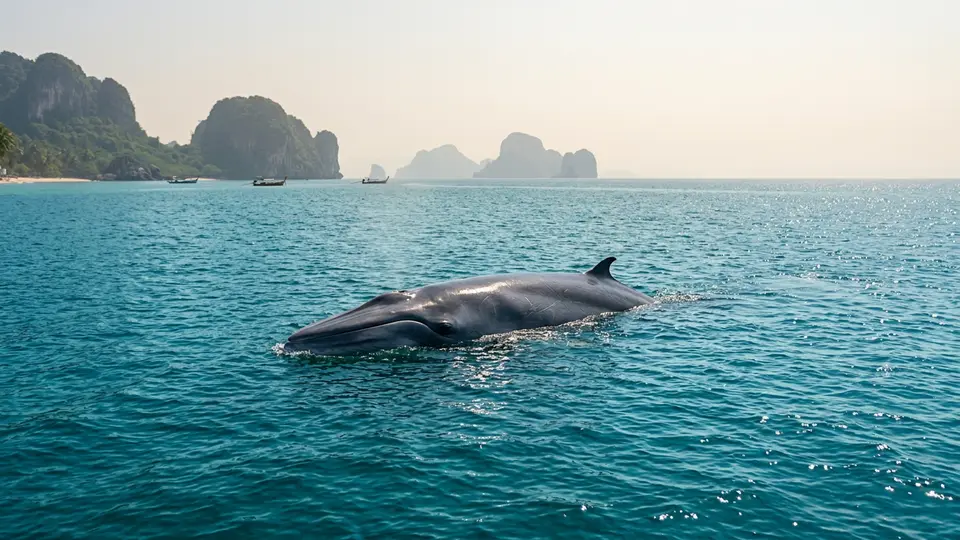
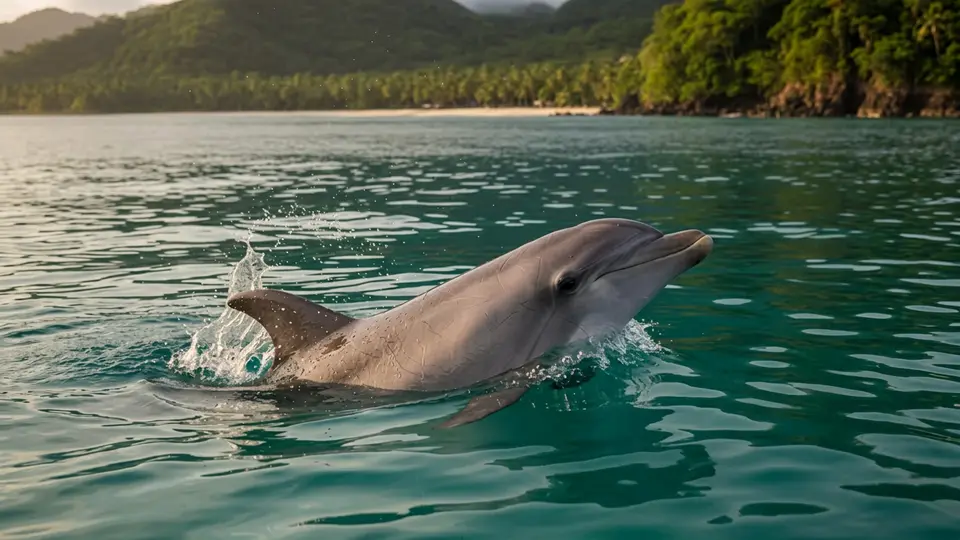
Galápagos Fur SealAI-modifiedGalápagos Fur SealBryde's WhaleAI-modifiedBryde's WhaleCommon Bottlenose DolphinAI-modifiedCommon Bottlenose Dolphin
Animal groupMammalsAnimal groupMammalsAnimal groupMammals
DestinationsGalapagosDestinationsGalapagos, Mexico, Egypt, Thailand, VietnamDestinationsCosta Rica, Florida, Galapagos, Mexico, Cape Verde, Croatia, Greece, Portugal, Scotland, Seychelles, Turkey, Maldives, Australia, New Zealand
Scientific nameArctocephalus galapagoensisScientific nameScientific name
All wildlife destinations
AI-modified
Plan your trip

Find your next wildlife adventure

Compare destinations, shore programs and dates with the animals and habitats you would love to see.

  • Naturalist-led shore excursions
  • Responsible wildlife watching
  • Small expedition ships