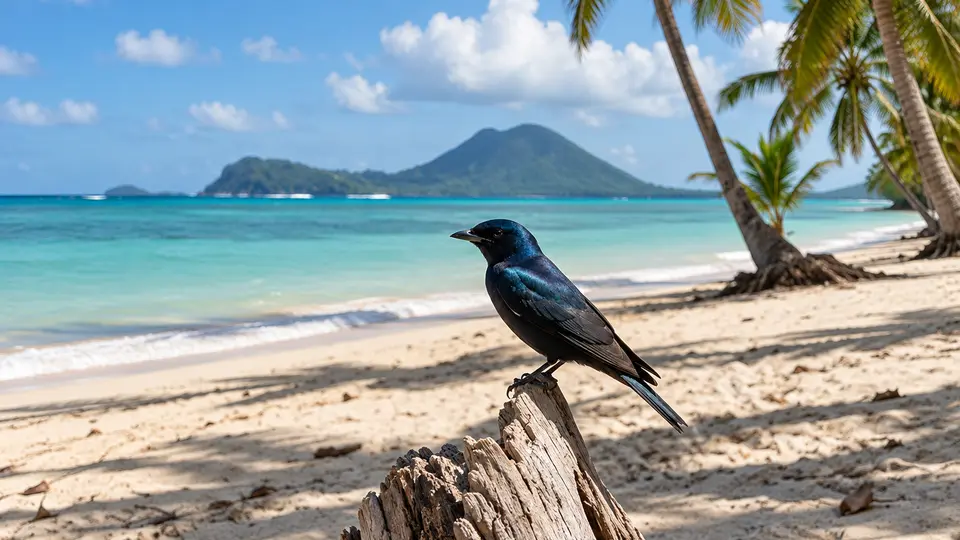
Fiji woodswallow in its natural habitatAI-modified

Fiji woodswallowArtamus mentalisWhere and when to see them

Fiji woodswallow at a glance

The Fiji woodswallow is a sociable, endemic aerial insect-eater of open and lightly wooded landscapes. Despite its name and swallow-like flight, it is not a true swallow. Dark upperparts contrast with a pale belly, and its sturdy bill reflects membership in a different passerine lineage. Small groups perched together on exposed branches or wires can be easier to locate than many forest birds, making it a rewarding subject for unhurried observation from public paths.

Behaviour & reproduction

Size
18–20 cm (7.1–7.9 in) long
Weight
Not reliably established
Lifespan
Not reliably established
Status
Least Concern

Fiji woodswallows launch from exposed perches to catch insects in flight, often returning to the same lookout. They may glide or circle above open ground and forage together in loose groups. Close social contact is characteristic, with birds sometimes sitting shoulder to shoulder. They build open cup nests and can vigorously challenge intruders near breeding sites. Their movements follow feeding opportunities, so an apparently reliable perch may be empty on another visit. Fiji woodswallows launch from exposed perches to catch insects in flight, often returning to the same lookout. They may glide or circle above open ground and forage together in loose groups. Close social contact is characteristic, with birds sometimes sitting shoulder to shoulder. They build open cup nests and can vigorously challenge intruders near breeding sites. Their movements follow feeding opportunities, so an apparently reliable perch may be empty on another visit. These birds are highly social, engaging in allopreening and roosting communally. They have a distinctive undulating flight pattern when traveling longer distances across open ground.

Top wildlife locations

Fiji wildlife habitatAI-modified

Fiji

Coastal village edges, open farmland and scattered trees beside public roads offer plausible viewing habitat. Inland travel is not always necessary, although distribution varies among islands and local sightings should not be assumed.
Destinations describe the species' habitat, not guaranteed cruise stops. Some animals require an optional inland excursion or are found in restricted reserves.

Fun facts about the Fiji woodswallow

  • It is endemic to Fiji.
  • Woodswallows are not members of the true swallow family.
  • Groups may perch in close physical contact.
  • Broad wings allow efficient gliding while searching for airborne insects.

Best time to see the Fiji woodswallow

This resident species can be observed throughout the year. May to October generally offers pleasant conditions for coastal walks, though showers and wind still influence insect activity. Calm periods with active flying insects may be more useful than selecting a particular month. This resident species can be observed throughout the year. May to October generally offers pleasant conditions for coastal walks, though showers and wind still influence insect activity. Calm periods with active flying insects may be more useful than selecting a particular month. Breeding typically occurs from September to March, peaking during the wetter months when insect populations are abundant. Nesting activity is a good indicator of their presence and can offer unique viewing opportunities. Their year-round residency means cruise passengers have consistent opportunities for sightings.

Fiji woodswallow: season matrix by destination

Travel and observation windows vary by region. Highlighted months are an orientation for planning, not confirmed sightings or a guarantee of access.

Fiji

These months favour comfortable travel and walking; the bird is resident, and this is not a claimed breeding-season window.

JanFebMarAprMayJunJulAugSepOctNovDec
Cruise ships in Fiji

Where the Fiji woodswallow lives

Open woodland, wooded grassland, agricultural land, village edges and coastal clearings provide suitable conditions. Birds need open airspace for hunting and exposed perches for watching insects. Dense, unbroken rainforest is generally less suitable than a mosaic of trees and open ground. Open woodland, wooded grassland, agricultural land, village edges and coastal clearings provide suitable conditions. Birds need open airspace for hunting and exposed perches for watching insects. Dense, unbroken rainforest is generally less suitable than a mosaic of trees and open ground. They are particularly fond of areas bordering secondary growth and plantations. These adaptable birds thrive in human-modified landscapes, including parks and gardens near settlements. Their presence often indicates a healthy mix of trees and open foraging areas.

What the Fiji woodswallow eats

Flying insects dominate the diet, captured during sallies from branches, wires or other prominent perches. Birds may also take insects from vegetation or the ground. Local abundance changes with insect activity, rainfall and land use rather than with one fixed food source. Flying insects dominate the diet, captured during sallies from branches, wires or other prominent perches. Birds may also take insects from vegetation or the ground. Local abundance changes with insect activity, rainfall and land use rather than with one fixed food source. They are known to consume a wide range of arthropods, including moths, beetles, and cicadas. Occasionally, they might supplement their insect diet with nectar from flowering trees. Group feeding often involves birds cooperatively flushing insects for easier capture.

Species at a glance

Common name
Fiji woodswallow
Scientific name
Artamus mentalis
Animal group
Birds
Size
18–20 cm (7.1–7.9 in) long
Weight
Not reliably established
Lifespan
Not reliably established
Status
Least Concern
Identification
Its dark head and throat, contrasting white underparts and stout bluish bill distinguish it from Fiji’s slender-billed swallows with their more deeply forked tails. Its dark head and throat, contrasting white underparts and stout bluish bill distinguish it from Fiji’s slender-billed swallows with their more deeply forked tails. The dark plumage of the head extends to the upper breast, creating a neat cap. A dark eye contrasts subtly with the head's coloration, and the short, broad bill is ideal for catching insects in flight. Immature birds may show slightly duller plumage and some streaking on the breast.

Fiji woodswallow: frequently asked questions

Where can I see the Fiji woodswallow?
Fiji. Watch perched groups from coastal paths or quiet village roads, staying clear of traffic and private property. Avoid approaching nests: these birds defend breeding areas actively, and repeated alarm calls are a cue to move away. Watch perched groups from coastal paths or quiet village roads, staying clear of traffic and private property. Avoid approaching nests: these birds defend breeding areas actively, and repeated alarm calls are a cue to move away. Their distinctive chattering calls often reveal their presence before they are seen. Binoculars are recommended for close observation of their feeding behaviors and social interactions. Look for them perching prominently on power lines, dead trees, or radio aerials in open areas.
When is the best time to see the Fiji woodswallow?
This resident species can be observed throughout the year. May to October generally offers pleasant conditions for coastal walks, though showers and wind still influence insect activity. Calm periods with active flying insects may be more useful than selecting a particular month. This resident species can be observed throughout the year. May to October generally offers pleasant conditions for coastal walks, though showers and wind still influence insect activity. Calm periods with active flying insects may be more useful than selecting a particular month. Breeding typically occurs from September to March, peaking during the wetter months when insect populations are abundant. Nesting activity is a good indicator of their presence and can offer unique viewing opportunities. Their year-round residency means cruise passengers have consistent opportunities for sightings.
How big does the Fiji woodswallow get?
18–20 cm (7.1–7.9 in) long. Adult weight: Not reliably established. Size varies with age, sex and population.
How should I behave around the Fiji woodswallow?
Watch perched groups from coastal paths or quiet village roads, staying clear of traffic and private property. Avoid approaching nests: these birds defend breeding areas actively, and repeated alarm calls are a cue to move away. Watch perched groups from coastal paths or quiet village roads, staying clear of traffic and private property. Avoid approaching nests: these birds defend breeding areas actively, and repeated alarm calls are a cue to move away. Their distinctive chattering calls often reveal their presence before they are seen. Binoculars are recommended for close observation of their feeding behaviors and social interactions. Look for them perching prominently on power lines, dead trees, or radio aerials in open areas.
What does the Fiji woodswallow eat?
Flying insects dominate the diet, captured during sallies from branches, wires or other prominent perches. Birds may also take insects from vegetation or the ground. Local abundance changes with insect activity, rainfall and land use rather than with one fixed food source. Flying insects dominate the diet, captured during sallies from branches, wires or other prominent perches. Birds may also take insects from vegetation or the ground. Local abundance changes with insect activity, rainfall and land use rather than with one fixed food source. They are known to consume a wide range of arthropods, including moths, beetles, and cicadas. Occasionally, they might supplement their insect diet with nectar from flowering trees. Group feeding often involves birds cooperatively flushing insects for easier capture.
Are wildlife sightings guaranteed on an adventure cruise?
No. Animals move freely and routes, weather, access restrictions and local conditions influence every outing. Confirm the actual itinerary and shore program before booking.

Compare wildlife in the same destinations

Explore other birds recorded in these destinations. Similar surroundings do not mean the animals share the same habits or viewing season.

Species comparison by animal group and destination
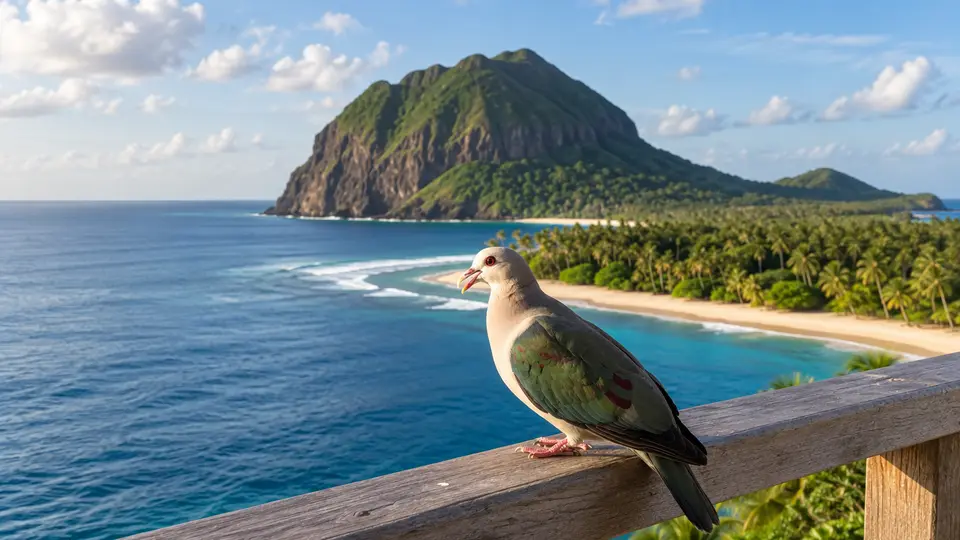
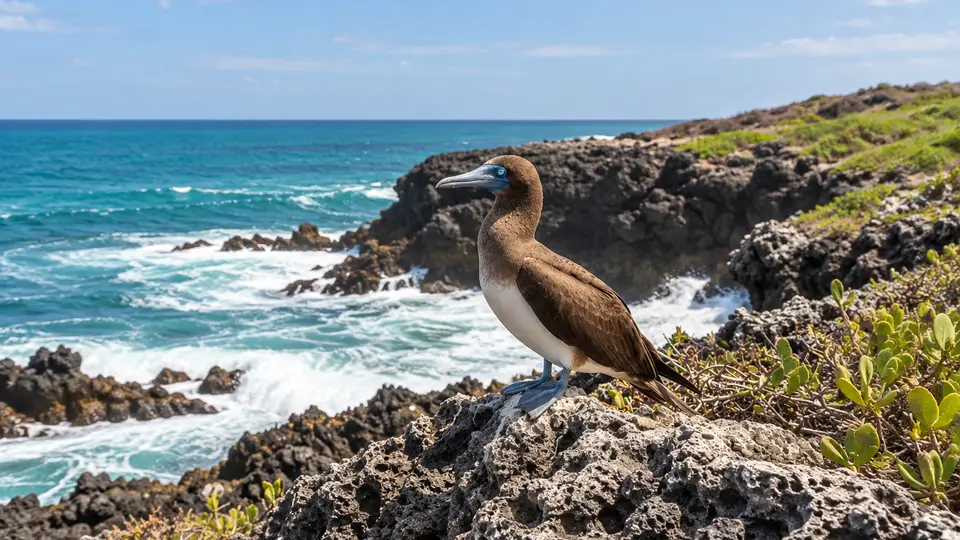
Fiji woodswallowAI-modifiedFiji woodswallowBarking imperial pigeonAI-modifiedBarking imperial pigeonBrown BoobyAI-modifiedBrown Booby
Animal groupBirdsAnimal groupBirdsAnimal groupBirds
DestinationsFijiDestinationsFijiDestinationsCosta Rica, Cape Verde, Egypt, Fiji, Polynesia
Scientific nameArtamus mentalisScientific nameScientific name
All wildlife destinations
AI-modified
Plan your trip

Find your next wildlife adventure

Compare destinations, shore programs and dates with the animals and habitats you would love to see.

  • Naturalist-led shore excursions
  • Responsible wildlife watching
  • Small expedition ships