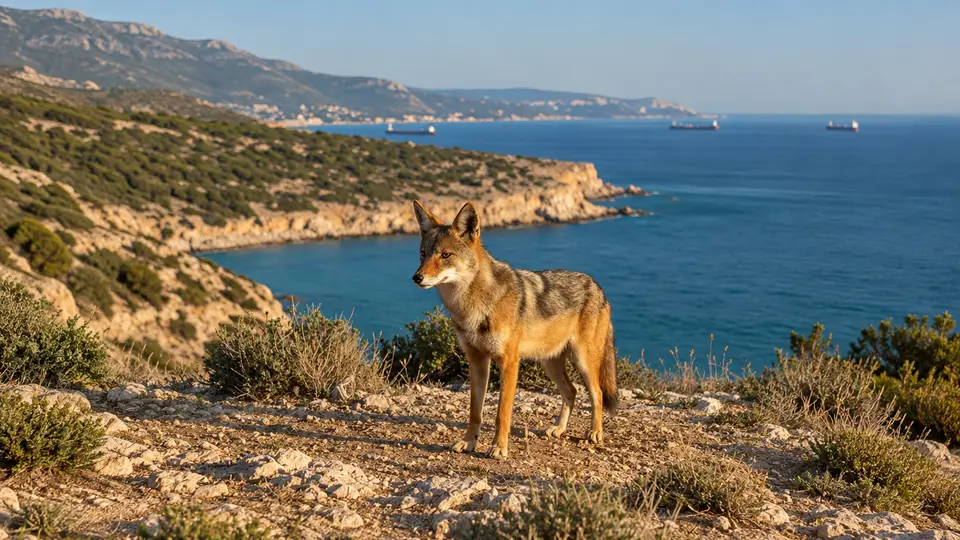
European Jackal in its natural habitatAI-modified

European JackalCanis aureusWhere and when to see them

European Jackal at a glance

The European jackal is the European population of the golden jackal, not a separate species. This adaptable canid occupies a range of scrubby, agricultural and wetland landscapes and also occurs across much of Asia. Smaller than a wolf but more robust than most foxes, it combines hunting with opportunistic scavenging. Its presence is often disclosed by group calls rather than a clear sighting, particularly where animals avoid daytime activity around people.

Behaviour & reproduction

Size
70-105 cm (28-41 in) head-body length
Weight
7-15 kg (15-33 lb)
Lifespan
Up to 18.8 years in captivity
Status
Least Concern

Golden jackals commonly live as territorial pairs, sometimes accompanied by offspring that help raise later litters. They may forage alone, in pairs or in small family groups depending on food availability. Activity is often concentrated around dusk and night in disturbed landscapes. Vocal exchanges advertise occupancy and coordinate family members. Their flexibility allows them to exploit seasonal food, but feeding by people can encourage risky proximity and should never be used to improve viewing opportunities. Communication is primarily through a distinctive howling chorus, which can be heard at a distance, particularly at dusk and dawn. These calls serve to announce territory and coordinate group movements. Unlike wolves, jackals rarely form large packs, typically operating in pairs or small family units.

Top wildlife locations

Turkey wildlife habitatAI-modified

Turkey

Vegetated coastal wetlands, delta margins and adjoining farmland are plausible habitat, but visual encounters are uncommon. A locally guided inland or wetland excursion is usually more realistic than observation from a harbour.
Destinations describe the species' habitat, not guaranteed cruise stops. Some animals require an optional inland excursion or are found in restricted reserves.

Fun facts about the European Jackal

  • European golden jackals belong to the same species as Asian golden jackals.
  • Older offspring can help their parents rear a new litter.
  • The African golden wolf is a different species, despite past taxonomic confusion.
  • Golden jackals have expanded naturally into parts of central and northern Europe.

Best time to see the European Jackal

There is no dependable national jackal-viewing season in Turkey. Spring and autumn can provide comfortable conditions for quiet wetland-edge walks, but sightings depend on local populations and disturbance. Dusk may improve the chance of hearing calls without making a visual encounter likely. While no specific 'season' guarantees sightings, early morning hours after dawn can also offer opportunities to hear or spot them as they return to cover. Focusing on locations known for healthy jackal populations and less human traffic will generally increase your chances. A local guide can often direct you to areas with higher activity during suitable times.

European Jackal: season matrix by destination

Travel and observation windows vary by region. Highlighted months are an orientation for planning, not confirmed sightings or a guarantee of access.

Turkey

Resident occurrence does not establish a reliable shore-viewing season; local distribution, nocturnal habits and access make a national monthly window unsupported.

JanFebMarAprMayJunJulAugSepOctNovDec
Cruise ships in Turkey

Where the European Jackal lives

Reedbeds, river valleys, scrub mosaics, farmland and lightly wooded lowlands offer cover and varied food. Coastal wetlands can support jackals where quiet resting places survive. Dense urban centres and exposed beaches are less useful than nearby vegetated margins and agricultural edges. They are highly adaptable and have expanded their range across Europe in recent decades, including into new areas of Turkey. Jackals prefer areas with dense vegetation for cover, such as riparian zones along rivers and wetlands, but can adapt to modified landscapes if sufficient shelter remains. These adaptable canids avoid extensive, open arid environments and high mountain ranges.

What the European Jackal eats

Small mammals, carrion, birds, reptiles, insects and seasonal fruit all contribute to the diet. Jackals may exploit discarded food and livestock remains where available. Their feeding is highly opportunistic, and the relative importance of hunting and scavenging differs between landscapes. Jackals are omnivorous, consuming a wide variety of prey depending on availability. This includes small rodents, amphibians, and fish, which they may hunt in shallow waters. Their diet also changes seasonally, incorporating fruits and berries during late summer and autumn.

Species at a glance

Common name
European Jackal
Scientific name
Canis aureus
Animal group
Mammals
Size
70-105 cm (28-41 in) head-body length
Weight
7-15 kg (15-33 lb)
Lifespan
Up to 18.8 years in captivity
Status
Least Concern
Identification
A golden jackal has a shorter, less bushy tail and more robust build than a red fox, but is substantially smaller and finer-bodied than a typical grey wolf. The European jackal's coat typically ranges from yellowish-gold to a tawny brown, often with darker fur on its back and flanks. Its muzzle is pointed, and its ears are relatively large and erect, lacking the prominent white flash of a red fox. A distinguishing feature is its consistently dark tipped tail, which is relatively short compared to its body length.

European Jackal: frequently asked questions

Where can I see the European Jackal?
Turkey. Observe only from a safe distance on public routes, preferably with a local wildlife guide. Never bait, approach pups or follow animals into reeds; secure food and keep pets close. Recognize that jackals are naturally shy and elusive, especially in areas with human disturbance. Using binoculars or a spotting scope will allow for better viewing without encroaching on their space. Patience and quiet observation are key to observing these elusive canids.
When is the best time to see the European Jackal?
There is no dependable national jackal-viewing season in Turkey. Spring and autumn can provide comfortable conditions for quiet wetland-edge walks, but sightings depend on local populations and disturbance. Dusk may improve the chance of hearing calls without making a visual encounter likely. While no specific 'season' guarantees sightings, early morning hours after dawn can also offer opportunities to hear or spot them as they return to cover. Focusing on locations known for healthy jackal populations and less human traffic will generally increase your chances. A local guide can often direct you to areas with higher activity during suitable times.
How big does the European Jackal get?
70-105 cm (28-41 in) head-body length. Adult weight: 7-15 kg (15-33 lb). Size varies with age, sex and population.
How should I behave around the European Jackal?
Observe only from a safe distance on public routes, preferably with a local wildlife guide. Never bait, approach pups or follow animals into reeds; secure food and keep pets close. Recognize that jackals are naturally shy and elusive, especially in areas with human disturbance. Using binoculars or a spotting scope will allow for better viewing without encroaching on their space. Patience and quiet observation are key to observing these elusive canids.
What does the European Jackal eat?
Small mammals, carrion, birds, reptiles, insects and seasonal fruit all contribute to the diet. Jackals may exploit discarded food and livestock remains where available. Their feeding is highly opportunistic, and the relative importance of hunting and scavenging differs between landscapes. Jackals are omnivorous, consuming a wide variety of prey depending on availability. This includes small rodents, amphibians, and fish, which they may hunt in shallow waters. Their diet also changes seasonally, incorporating fruits and berries during late summer and autumn.
Are wildlife sightings guaranteed on an adventure cruise?
No. Animals move freely and routes, weather, access restrictions and local conditions influence every outing. Confirm the actual itinerary and shore program before booking.

Compare wildlife in the same destinations

Explore other mammals recorded in these destinations. Similar surroundings do not mean the animals share the same habits or viewing season.

Species comparison by animal group and destination
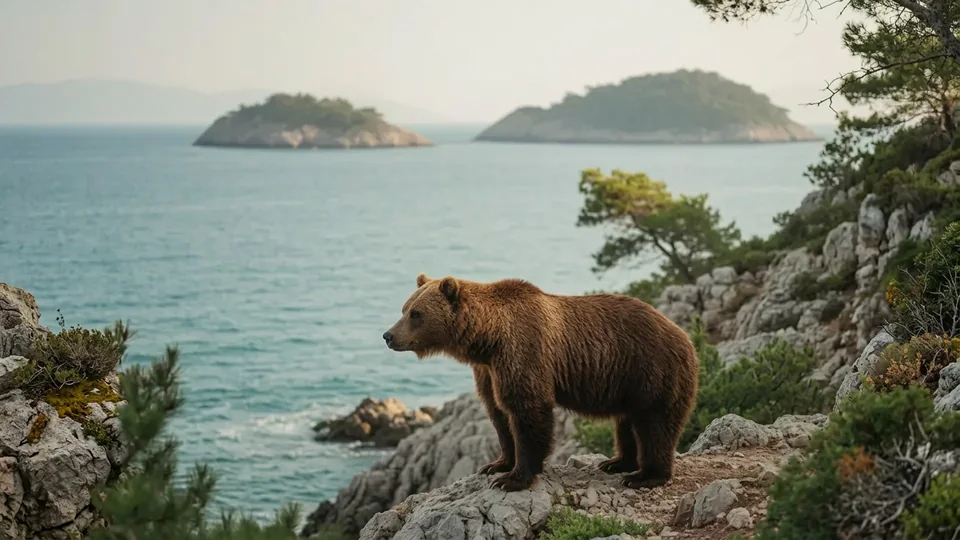
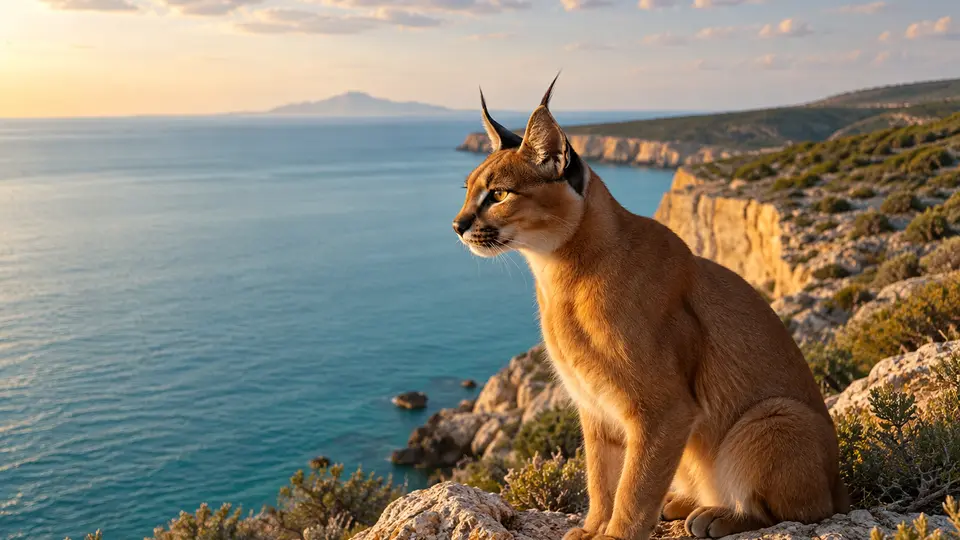
European JackalAI-modifiedEuropean JackalBrown BearAI-modifiedBrown BearCaracalAI-modifiedCaracal
Animal groupMammalsAnimal groupMammalsAnimal groupMammals
DestinationsTurkeyDestinationsTurkeyDestinationsTurkey
Scientific nameCanis aureusScientific nameScientific name
All wildlife destinations
AI-modified
Plan your trip

Find your next wildlife adventure

Compare destinations, shore programs and dates with the animals and habitats you would love to see.

  • Naturalist-led shore excursions
  • Responsible wildlife watching
  • Small expedition ships