
Eurasian Spoonbill in its natural habitat, AI illustration

Eurasian SpoonbillPlatalea leucorodiaWhere and when to see them

Eurasian Spoonbill at a glance

The Eurasian spoonbill is a large white wetland bird named for its flattened, expanded bill tip. Rather than relying entirely on sight, it finds small aquatic animals by sweeping that bill through shallow water. Breeding adults acquire a shaggy crest and a yellowish breast patch, adding subtle colour to an otherwise pale appearance. Its distribution is patchy because suitable feeding shallows and secure nesting places must occur together, often within extensive wetland complexes.

Behaviour & reproduction

Size
80-93 cm long
Weight
1.2-2 kg
Lifespan
Not reliably established
Status
Least Concern

Feeding birds move slowly through shallows with the bill partly open, swinging the head from side to side. Contact with prey triggers rapid closure. Spoonbills often feed and rest socially, commuting between feeding areas and colonies in purposeful flights with the neck extended. They nest in trees, reedbeds or on suitable islands depending on local conditions. Breeding success is sensitive to water levels, disturbance and the availability of shallow, prey-rich feeding areas. Courtship displays involve bowing, bill clapping, and mutual preening, often performed at the nest site within the colony. They are highly social, typically nesting in mixed-species colonies with other wading birds like herons and egrets.

Top wildlife locations

Greece wildlife habitat

Greece

Large coastal lagoons, delta wetlands and managed saltpans offer plausible viewing from hides or public embankments. Distribution is localized, and reaching suitable habitat often requires an excursion away from the port.

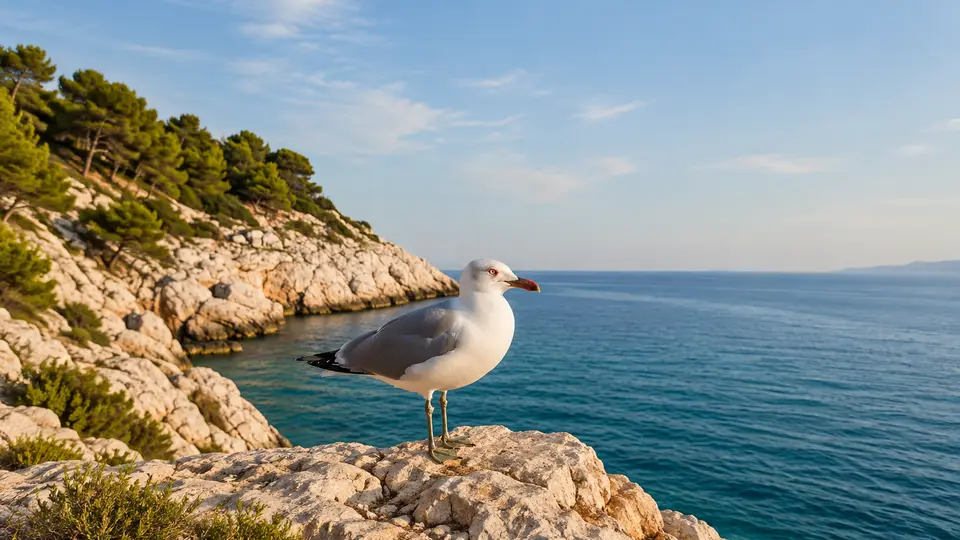
Portugal wildlife habitat

Portugal

Estuarine mudflats, shallow saltpans and lagoon margins provide shore-based opportunities from established viewpoints. Access to working saltpans may be restricted, and appropriate wetland habitat usually requires travel beyond central waterfronts.

Destinations describe the species' habitat, not guaranteed cruise stops. Some animals require an optional inland excursion or are found in restricted reserves.

Fun facts about the Eurasian Spoonbill

  • The bill's widened tip contains sensory structures useful for detecting prey.
  • Young birds have paler bills and dark tips on the flight feathers.
  • Breeding adults develop both a crest and a yellowish breast band.
  • Groups sometimes feed in loose lines across a shallow pool.

Best time to see the Eurasian Spoonbill

Portuguese estuaries can support spoonbills throughout the year, with autumn and winter often useful for watching gatherings. In Greece, spring passage and the warmer breeding months offer opportunities at suitable wetlands. Local water levels and wetland management can alter availability substantially. In the wider Mediterranean, many individuals undertake short migrations, often staging in Greek wetlands before moving further south or to other breeding grounds. Spring and autumn migrations can bring spectacular numbers to key stopover sites across both destinations.

Eurasian Spoonbill: season matrix by destination

Travel and observation windows vary by region. Highlighted months are an orientation for planning, not confirmed sightings or a guarantee of access.

Greece

This broad window includes migration and breeding-season presence at selected wetlands, not continuous occupancy of every site; some locations also hold wintering birds.

JanFebMarAprMayJunJulAugSepOctNovDec
Cruise ships in Greece

Portugal

Year-round observation is plausible at suitable wetlands, with autumn and winter gatherings often conspicuous; this does not imply year-round breeding or uniform numbers.

JanFebMarAprMayJunJulAugSepOctNovDec
Cruise ships in Portugal

Where the Eurasian Spoonbill lives

Shallow lagoons, estuaries, saltpans, marshes and flooded grassland provide feeding habitat. Both fresh and saline wetlands can be used. Nesting requires comparatively secure islands, reedbeds or trees, while deep water and steep-sided shorelines generally offer little feeding opportunity. Coastal lagoons, deltas, and large river floodplains are particularly important for larger populations. These birds often prefer sites with a mosaic of open water, mudflats, and emergent vegetation for foraging and roosting.

What the Eurasian Spoonbill eats

Small fish, shrimps, aquatic insects and other invertebrates make up much of the diet. Amphibians and additional small aquatic animals may also be taken. Feeding depends on water shallow enough for walking and on prey accessible to the sweeping bill. Their specialized bill allows them to filter small items from the water, often targeting crustaceans, insect larvae, and small fish fry. They employ a tactile feeding strategy, sensing prey rather than visually hunting in turbid waters.

Species at a glance

Common name
Eurasian Spoonbill
Scientific name
Platalea leucorodia
Animal group
Birds
Size
80-93 cm long
Weight
1.2-2 kg
Lifespan
Not reliably established
Status
Least Concern
Identification
The long spoon-shaped bill and extended neck in flight distinguish it from white egrets, which have pointed bills and usually fly with their necks folded. Juveniles have a yellowish or dusky bill and a paler, sometimes mottled, plumage, lacking the adult's full crest and yellowish breast band during breeding. In flight, the strong, steady wingbeats and outstretched neck are characteristic.

Eurasian Spoonbill: frequently asked questions

Where can I see the Eurasian Spoonbill?
Greece, Portugal. Use wetland hides or distant embankments and watch the sweeping feeding action through binoculars. Avoid approaching colonies or walking into feeding shallows, and respect saltpan access restrictions and unstable mud. When viewing from a boat, maintain a respectful distance to avoid flushing birds, especially during nesting season. Scan across open water and mudflats where their distinctive white plumage stands out.
When is the best time to see the Eurasian Spoonbill?
Portuguese estuaries can support spoonbills throughout the year, with autumn and winter often useful for watching gatherings. In Greece, spring passage and the warmer breeding months offer opportunities at suitable wetlands. Local water levels and wetland management can alter availability substantially. In the wider Mediterranean, many individuals undertake short migrations, often staging in Greek wetlands before moving further south or to other breeding grounds. Spring and autumn migrations can bring spectacular numbers to key stopover sites across both destinations.
How big does the Eurasian Spoonbill get?
80-93 cm long. Adult weight: 1.2-2 kg. Size varies with age, sex and population.
How should I behave around the Eurasian Spoonbill?
Use wetland hides or distant embankments and watch the sweeping feeding action through binoculars. Avoid approaching colonies or walking into feeding shallows, and respect saltpan access restrictions and unstable mud. When viewing from a boat, maintain a respectful distance to avoid flushing birds, especially during nesting season. Scan across open water and mudflats where their distinctive white plumage stands out.
What does the Eurasian Spoonbill eat?
Small fish, shrimps, aquatic insects and other invertebrates make up much of the diet. Amphibians and additional small aquatic animals may also be taken. Feeding depends on water shallow enough for walking and on prey accessible to the sweeping bill. Their specialized bill allows them to filter small items from the water, often targeting crustaceans, insect larvae, and small fish fry. They employ a tactile feeding strategy, sensing prey rather than visually hunting in turbid waters.
Are wildlife sightings guaranteed on an adventure cruise?
No. Animals move freely and routes, weather, access restrictions and local conditions influence every outing. Confirm the actual itinerary and shore program before booking.

Compare wildlife in the same destinations

Explore other birds recorded in these destinations. Similar surroundings do not mean the animals share the same habits or viewing season.

Species comparison by animal group and destination
Eurasian SpoonbillEurasian SpoonbillAudouin's GullAudouin's GullAzores BullfinchAzores Bullfinch
Animal groupBirdsAnimal groupBirdsAnimal groupBirds
DestinationsGreece, PortugalDestinationsCroatia, Greece, Portugal, TurkeyDestinationsPortugal
All wildlife destinations
Plan your trip

Find your next wildlife adventure

Compare destinations, shore programs and dates with the animals and habitats you would love to see.

  • Naturalist-led shore excursions
  • Responsible wildlife watching
  • Small expedition ships

Newsletter

Take Blue Rides with you

Adventure cruise offers, last-minute deals and trip inspiration.

Free, unsubscribe anytime. Details: Privacy Policy

Partner with Blue Rides

Affiliate Program

Recommend adventure cruises and earn commission on every confirmed booking.

Share. Track. Earn.

Your footage, our stage

Send us your videos or pictures.

Captured remarkable nature or wildlife on your journey? Share it with us, we may feature it on Blue Rides.