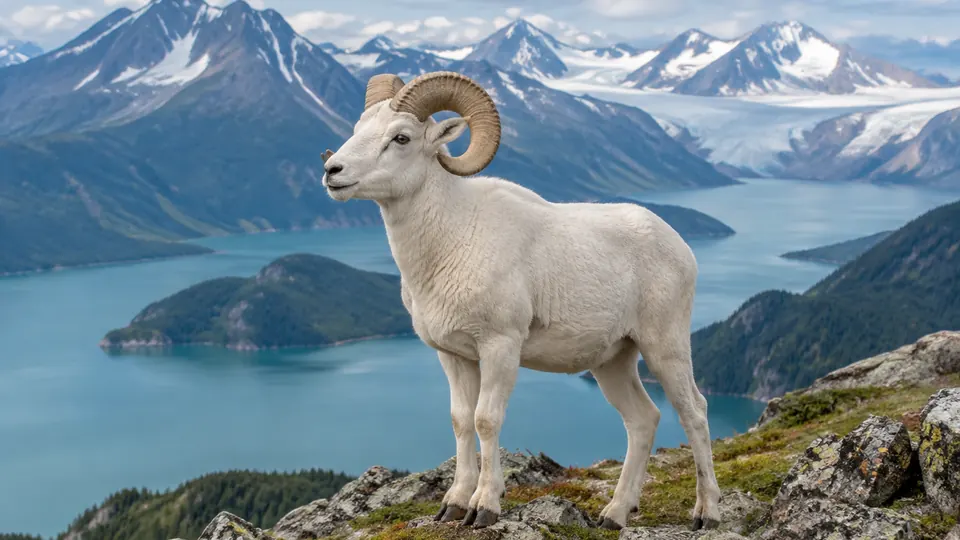
Dall Sheep in its natural habitat, AI illustration

Dall SheepOvis dalliWhere and when to see them

Dall Sheep at a glance

The Dall sheep is a slender white wild sheep of the high mountains of Alaska and northwestern Canada. Rams carry heavy, curling horns, while ewes have short, slender spikes. Around Lake Clark National Park they inhabit the steep alpine slopes above the lake, where their white coats are often visible from far below against dark rock. They are one of the classic large mammals of the Alaskan interior and a regular sight on the mountain flanks around the lake in summer.

Behaviour & reproduction

Size
1.3-1.8 m head-body length
Weight
45-110 kg
Lifespan
10-16 years
Status
Least Concern

Dall sheep live in separate ram and ewe groups for much of the year, coming together during the autumn rut. They are agile climbers that retreat to steep, broken terrain when threatened, and they spend much of the day grazing and resting on open slopes with a clear view of approaching predators. In winter they seek out windswept ridges where snow cover is thin and forage stays accessible.

Top wildlife locations

Alaska wildlife habitat

Alaska

The Chigmit Mountains around Lake Clark National Park hold resident bands that are regularly spotted on the high slopes above the lake in summer.
Destinations describe the species' habitat, not guaranteed cruise stops. Some animals require an optional inland excursion or are found in restricted reserves.

Fun facts about the Dall Sheep

  • Rams can be aged by counting the growth rings on their horns.
  • Their horns can weigh more than the rest of their skeleton combined.
  • They share their alpine habitat with golden eagles, which occasionally take newborn lambs.
  • The species is named after the American naturalist William Healey Dall.

Best time to see the Dall Sheep

From June to September the sheep are on open summer ranges and are most easily seen from the lake and lower trails, often as white dots on high green slopes. Spotting scopes and binoculars greatly improve the experience, as the animals usually stay well above the shoreline. Winter viewing is difficult because access is limited and the sheep keep to remote windblown ridges.

Dall Sheep: season matrix by destination

Travel and observation windows vary by region. Highlighted months are an orientation for planning, not confirmed sightings or a guarantee of access.

Alaska

Summer offers the most practical viewing from the lake and lower trails; the sheep remain in the mountains year-round but are far harder to reach outside the main season.

JanFebMarAprMayJunJulAugSepOctNovDec
Cruise ships in Alaska

Where the Dall Sheep lives

They favour dry, open alpine country: steep grassy slopes, rocky ridges and cliff bands above the treeline. Around Lake Clark, the Chigmit Mountains provide exactly this mix of grazing meadows and escape terrain. They avoid dense forest and deep soft snow, which is why they remain tied to high, windswept country all year round.

What the Dall Sheep eats

Grasses, sedges and other low alpine plants make up most of the diet, supplemented by willows and herbs in summer. In winter they paw through thin snow or use wind-cleared slopes to reach dried vegetation. Mineral licks on exposed cliffs are visited regularly, especially in spring and early summer.

Species at a glance

Common name
Dall Sheep
Scientific name
Ovis dalli
Animal group
Mammals
Size
1.3-1.8 m head-body length
Weight
45-110 kg
Lifespan
10-16 years
Status
Least Concern
Identification
A slim, all-white mountain sheep; rams have massive amber horns that curl in a near full circle, while ewes carry short, straight spikes. The white coat distinguishes them from the darker Stone's sheep and from mountain goats, which have shaggier coats, black horns and a more hunched stance.

Dall Sheep: frequently asked questions

Where can I see the Dall Sheep?
Alaska. Scan the high open slopes and ridge lines with binoculars from the boat or from established trails, and watch for movement among the rocks. Never approach sheep on steep terrain, as crowding them can push them into dangerous ground, and give any animal with lambs extra space. Quiet, patient observation from a distance usually rewards watchers with natural behaviour.
When is the best time to see the Dall Sheep?
From June to September the sheep are on open summer ranges and are most easily seen from the lake and lower trails, often as white dots on high green slopes. Spotting scopes and binoculars greatly improve the experience, as the animals usually stay well above the shoreline. Winter viewing is difficult because access is limited and the sheep keep to remote windblown ridges.
How big does the Dall Sheep get?
1.3-1.8 m head-body length. Adult weight: 45-110 kg. Size varies with age, sex and population.
How should I behave around the Dall Sheep?
Scan the high open slopes and ridge lines with binoculars from the boat or from established trails, and watch for movement among the rocks. Never approach sheep on steep terrain, as crowding them can push them into dangerous ground, and give any animal with lambs extra space. Quiet, patient observation from a distance usually rewards watchers with natural behaviour.
What does the Dall Sheep eat?
Grasses, sedges and other low alpine plants make up most of the diet, supplemented by willows and herbs in summer. In winter they paw through thin snow or use wind-cleared slopes to reach dried vegetation. Mineral licks on exposed cliffs are visited regularly, especially in spring and early summer.
Are wildlife sightings guaranteed on an adventure cruise?
No. Animals move freely and routes, weather, access restrictions and local conditions influence every outing. Confirm the actual itinerary and shore program before booking.

Compare wildlife in the same destinations

Explore other mammals recorded in these destinations. Similar surroundings do not mean the animals share the same habits or viewing season.

Species comparison by animal group and destination
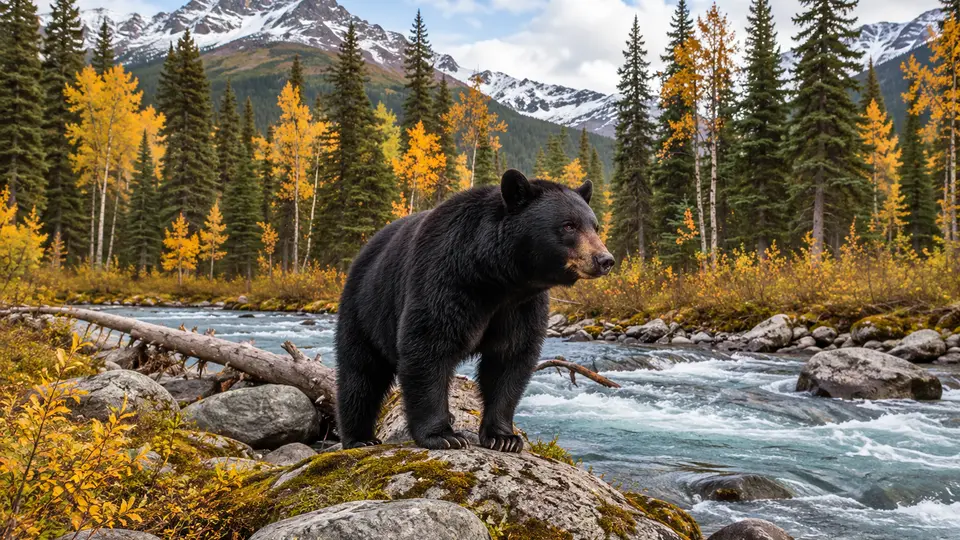
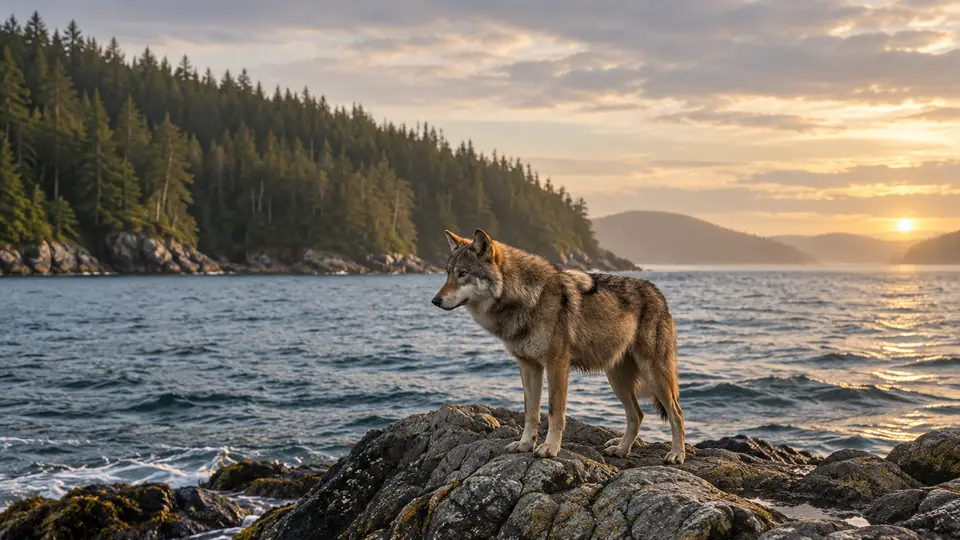
Dall SheepDall SheepAlexander Archipelago WolfAlexander Archipelago WolfAmerican Black BearAmerican Black Bear
Animal groupMammalsAnimal groupMammalsAnimal groupMammals
DestinationsAlaskaDestinationsAlaskaDestinationsAlaska, New England
All wildlife destinations
Plan your trip

Find your next wildlife adventure

Compare destinations, shore programs and dates with the animals and habitats you would love to see.

  • Naturalist-led shore excursions
  • Responsible wildlife watching
  • Small expedition ships

Newsletter

Take Blue Rides with you

Adventure cruise offers, last-minute deals and trip inspiration.

Free, unsubscribe anytime. Details: Privacy Policy

Partner with Blue Rides

Affiliate Program

Recommend adventure cruises and earn commission on every confirmed booking.

Share. Track. Earn.

Your footage, our stage

Send us your videos or pictures.

Captured remarkable nature or wildlife on your journey? Share it with us, we may feature it on Blue Rides.