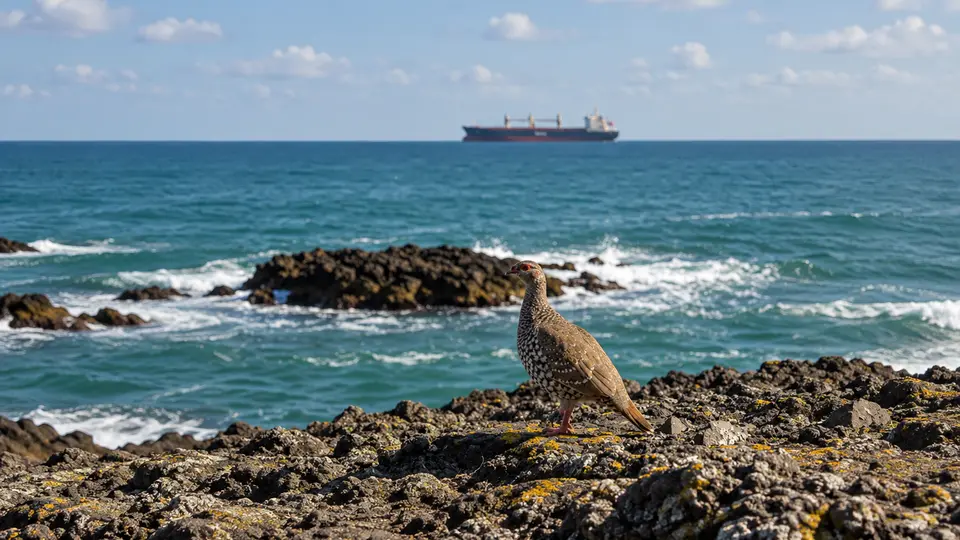
Caspian Snowcock in its natural habitatAI-modified

Caspian SnowcockTetraogallus caspiusWhere and when to see them

Caspian Snowcock at a glance

The Caspian snowcock is a large mountain gamebird adapted to steep, open country above the treeline. Its subdued grey, buff and white plumage blends remarkably well with scree and broken rock. The species occurs in fragmented mountain populations from Turkey eastward into parts of southwestern Asia. Despite its size and carrying calls, it can be difficult to locate because suitable slopes are remote and birds often remain motionless against the terrain.

Behaviour & reproduction

Size
56-63 cm (22-25 in) long
Weight
1.8-3 kg (4.0-6.6 lb)
Lifespan
Not reliably established
Status
Least Concern

Snowcocks spend much of their time walking across slopes, feeding and watching for danger. They commonly move uphill on foot, then escape by launching into fast downhill flight. Pairs become more conspicuous through calling during the breeding period, while family groups and larger gatherings occur outside it. Nests are shallow ground scrapes in sheltered places. Chicks leave the nest soon after hatching and follow the female through rugged feeding areas. They typically move in small groups or pairs, particularly outside the breeding season. Alarm calls, a sharp whistle, are given when a predator is spotted, alerting other birds. When disturbed, they often run uphill before taking flight, using gravity to gain speed.

Top wildlife locations

Turkey wildlife habitatAI-modified

Turkey

High rocky slopes in the Taurus and eastern mountain systems are plausible habitat. An inland mountain excursion is essential, often involving strenuous walking; the species is not realistically observed from coastal landings.
Destinations describe the species' habitat, not guaranteed cruise stops. Some animals require an optional inland excursion or are found in restricted reserves.

Fun facts about the Caspian Snowcock

  • Its range is centred on mountains, not the shores of the Caspian Sea.
  • Its feather pattern provides camouflage against both pale stones and dark cracks.
  • Chicks are precocial and can walk shortly after hatching.
  • Walking uphill and flying downhill is a characteristic escape strategy.

Best time to see the Caspian Snowcock

Late spring through early autumn is generally the practical period for reaching Turkey's high mountain habitat. Earlier visits may encounter snowbound routes, while summer heat can affect lower approaches. Calling and breeding timing vary with elevation and snowmelt rather than coastal tourism seasons. Prime viewing opportunities often coincide with local snowmelt patterns, which can vary significantly by mountain range and year. Confirming road accessibility and trail conditions with local guides is crucial before planning an excursion. Early morning and late afternoon are generally the best times for observing activity.

Caspian Snowcock: season matrix by destination

Travel and observation windows vary by region. Highlighted months are an orientation for planning, not confirmed sightings or a guarantee of access.

Turkey

These months indicate comparatively practical mountain access, not confirmed sightings or a uniform breeding period; local snow and trail conditions govern feasibility.

JanFebMarAprMayJunJulAugSepOctNovDec
Cruise ships in Turkey

Where the Caspian Snowcock lives

This species occupies high mountain grassland, scree, rocky ridges and alpine slopes, usually above the forest limit. Snow cover influences local movements, sometimes pushing birds lower in winter. Suitable habitat is inland and far removed from ordinary coastal wildlife viewpoints. They typically occur at elevations between 2,000 and 4,000 meters above sea level, preferring slopes that offer a mix of rocky outcrops and sparse vegetation. The presence of permanent snowfields or glaciers within their territory is common, influencing their foraging and movement patterns.

What the Caspian Snowcock eats

Leaves, shoots, buds, seeds and other alpine plant material dominate the diet. Birds forage on the ground among stones and low vegetation. Invertebrates are also eaten, especially by growing chicks, whose nutritional needs differ from those of adults. Their diet shifts seasonally, with a higher proportion of succulent shoots and flowers consumed during spring and summer. They are known to consume a variety of alpine forbs and grasses, often picking individual leaves or seeds. Grit is also ingested to aid in digestion.

Species at a glance

Common name
Caspian Snowcock
Scientific name
Tetraogallus caspius
Animal group
Birds
Size
56-63 cm (22-25 in) long
Weight
1.8-3 kg (4.0-6.6 lb)
Lifespan
Not reliably established
Status
Least Concern
Identification
Compared with the Caucasian snowcock, the Caspian snowcock has a more extensively pale breast contrasting with darker, strongly streaked lower underparts. Adults have a distinctive white throat patch and a prominent dark bill. Juveniles are duller, with less distinct markings and a more uniform plumage. The Caspian snowcock's call, a loud, far-carrying whistling or piping sound, is also a key identification feature.

Caspian Snowcock: frequently asked questions

Where can I see the Caspian Snowcock?
Turkey. Observe through a telescope from a safe mountain trail with an experienced guide. Avoid cliff edges, nest approaches and call playback; rapid weather changes and lingering snow are more immediate hazards than the birds. Binoculars are essential for distant viewing, and a spotting scope is highly recommended for detailed observation. Maintaining a respectful distance is paramount to avoid disturbing these sensitive birds. Look for birds foraging near ridge lines or on open scree slopes where they are most visible.
When is the best time to see the Caspian Snowcock?
Late spring through early autumn is generally the practical period for reaching Turkey's high mountain habitat. Earlier visits may encounter snowbound routes, while summer heat can affect lower approaches. Calling and breeding timing vary with elevation and snowmelt rather than coastal tourism seasons. Prime viewing opportunities often coincide with local snowmelt patterns, which can vary significantly by mountain range and year. Confirming road accessibility and trail conditions with local guides is crucial before planning an excursion. Early morning and late afternoon are generally the best times for observing activity.
How big does the Caspian Snowcock get?
56-63 cm (22-25 in) long. Adult weight: 1.8-3 kg (4.0-6.6 lb). Size varies with age, sex and population.
How should I behave around the Caspian Snowcock?
Observe through a telescope from a safe mountain trail with an experienced guide. Avoid cliff edges, nest approaches and call playback; rapid weather changes and lingering snow are more immediate hazards than the birds. Binoculars are essential for distant viewing, and a spotting scope is highly recommended for detailed observation. Maintaining a respectful distance is paramount to avoid disturbing these sensitive birds. Look for birds foraging near ridge lines or on open scree slopes where they are most visible.
What does the Caspian Snowcock eat?
Leaves, shoots, buds, seeds and other alpine plant material dominate the diet. Birds forage on the ground among stones and low vegetation. Invertebrates are also eaten, especially by growing chicks, whose nutritional needs differ from those of adults. Their diet shifts seasonally, with a higher proportion of succulent shoots and flowers consumed during spring and summer. They are known to consume a variety of alpine forbs and grasses, often picking individual leaves or seeds. Grit is also ingested to aid in digestion.
Are wildlife sightings guaranteed on an adventure cruise?
No. Animals move freely and routes, weather, access restrictions and local conditions influence every outing. Confirm the actual itinerary and shore program before booking.

Compare wildlife in the same destinations

Explore other birds recorded in these destinations. Similar surroundings do not mean the animals share the same habits or viewing season.

Species comparison by animal group and destination
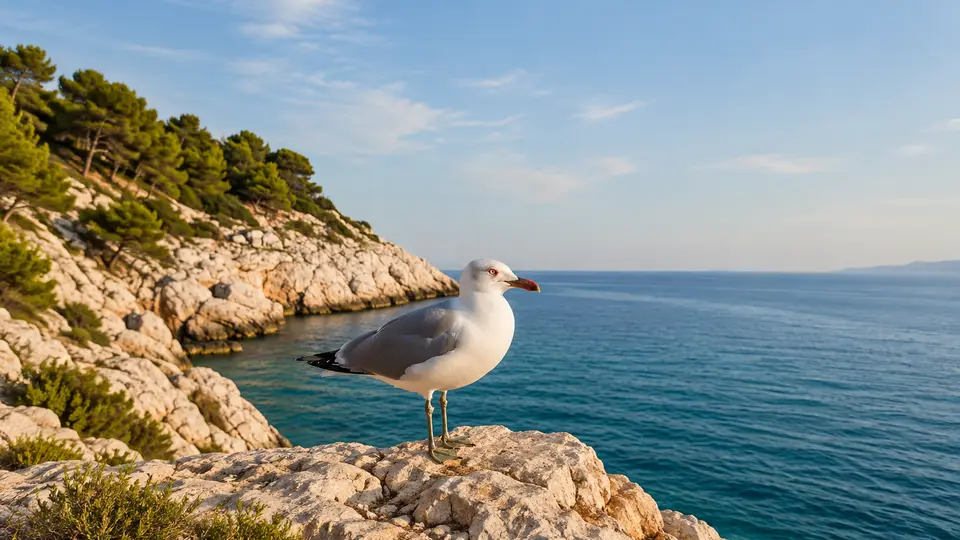
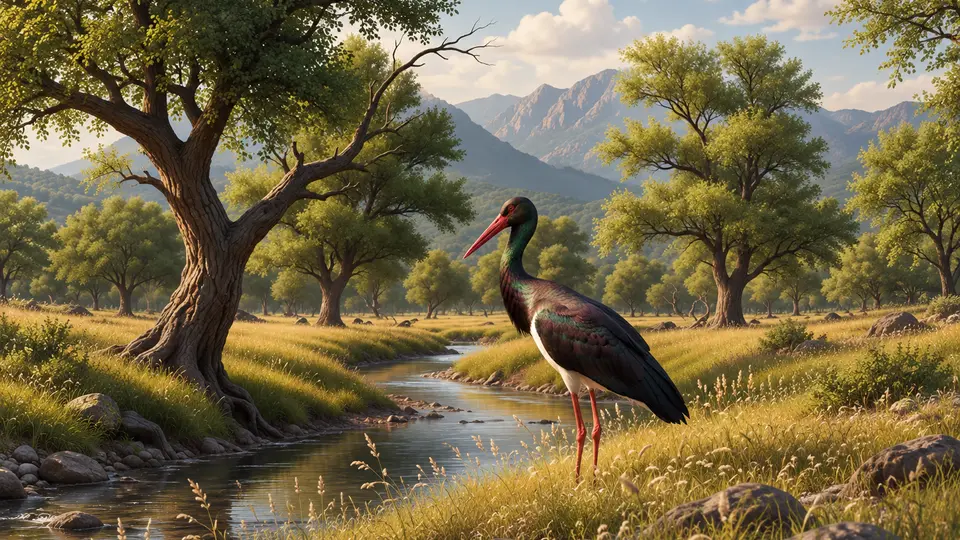
Caspian SnowcockAI-modifiedCaspian SnowcockAudouin's GullAI-modifiedAudouin's GullBlack StorkAI-modifiedBlack Stork
Animal groupBirdsAnimal groupBirdsAnimal groupBirds
DestinationsTurkeyDestinationsCroatia, Greece, Portugal, TurkeyDestinationsPortugal, Turkey
Scientific nameTetraogallus caspiusScientific nameScientific name
All wildlife destinations
AI-modified
Plan your trip

Find your next wildlife adventure

Compare destinations, shore programs and dates with the animals and habitats you would love to see.

  • Naturalist-led shore excursions
  • Responsible wildlife watching
  • Small expedition ships