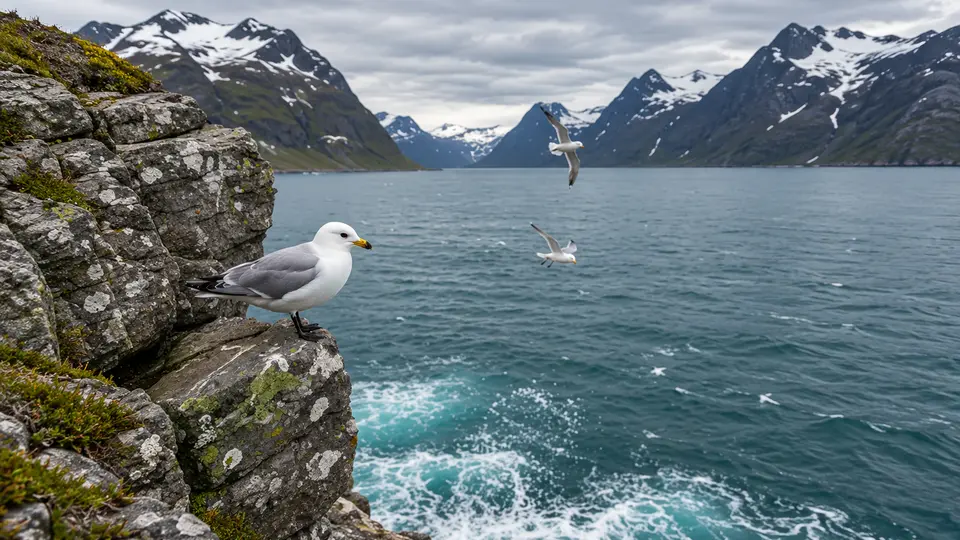
Black-legged Kittiwake in its natural habitatAI-modified

Black-legged KittiwakeRissa tridactylaWhere and when to see them

Black-legged Kittiwake at a glance

The black-legged kittiwake is a small ocean-going gull whose breeding colonies animate northern sea cliffs. Adults have pale grey upperparts, white heads and bodies, and neatly black-tipped wings. Unlike many familiar gulls, it spends much of its life away from land and seldom scavenges in towns. Its dependence on accessible marine prey makes breeding success sensitive to changing sea temperatures, fisheries and the timing of plankton-driven food production.

Behaviour & reproduction

Size
38–41 cm (15–16 in) long
Weight
300–500 g (11–18 oz)
Lifespan
15–25 years
Status
Vulnerable

Pairs build compact nests of vegetation and mud on narrow cliff ledges, often among thousands of neighbours. Their repeated calls give the species its English name. Adults collect small prey near the sea surface and bring food back to chicks in the crop. Outside breeding, birds disperse widely over open water. Colony attendance, courtship and chick feeding are concentrated in spring and summer, while winter observations usually involve scattered birds offshore. Kittiwakes exhibit a distinctive 'kittiwake' call, a nasal 'kitti-waak kitti-waak', which helps identify them in noisy colonies. They are highly social, forming dense colonies that provide some protection against predators like gulls and raptors.

Top wildlife locations

Alaska wildlife habitatAI-modified

Alaska

Established viewpoints overlooking coastal cliffs and rocky islands can provide colony views. Many colonies are remote or inaccessible from shore, so deck observation may be more practical than a land visit.

Norway wildlife habitatAI-modified

Norway

Sea cliffs and some coastal settlements support nesting birds visible from public viewpoints. Offshore island colonies may be inaccessible without separate transport, and access restrictions should always take precedence over proximity.

Scotland wildlife habitatAI-modified

Scotland

Clifftop paths overlooking established seabird colonies offer plausible shore viewing. Use official overlooks rather than approaching ledges; some island colonies require separate boat travel and are not accessible from mainland paths.

Arctic wildlife habitatAI-modified

Arctic

Rocky coastal cliffs can hold large colonies, but much Arctic nesting habitat is remote, restricted or inaccessible. Views from a distant deck may be more realistic than shore access at any particular destination.

Destinations describe the species' habitat, not guaranteed cruise stops. Some animals require an optional inland excursion or are found in restricted reserves.

Fun facts about the Black-legged Kittiwake

  • Its scientific species name refers to the greatly reduced hind toe.
  • The repeated call sounds roughly like its English name.
  • Some colonies occupy bridges and urban buildings rather than natural cliffs.
  • Young birds show a dark zigzag pattern across the upper wings.

Best time to see the Black-legged Kittiwake

Late spring through summer generally offers the best opportunity to watch occupied colonies from established coastal viewpoints. Exact arrival and fledging dates vary with latitude and local food conditions. Winter birds can occur offshore, but their dispersed distribution makes shore observation less predictable. Prime viewing from cruise ships in destinations like Alaska and Norway is during the breeding season when colonies are active and visible from the water. In the Arctic, summer offers opportunities to see them foraging in productive waters or resting on ice floes.

Black-legged Kittiwake: season matrix by destination

Travel and observation windows vary by region. Highlighted months are an orientation for planning, not confirmed sightings or a guarantee of access.

Alaska

A broad coastal travel and colony-attendance window; timing varies markedly between southern Alaska and northern coasts.

JanFebMarAprMayJunJulAugSepOctNovDec
Cruise ships in Alaska

Norway

These months generally overlap nesting activity and accessible coastal travel, with later schedules in the far north.

JanFebMarAprMayJunJulAugSepOctNovDec
Cruise ships in Norway

Scotland

Spring arrival through summer colony attendance is the most useful general window; individual colonies can empty earlier.

JanFebMarAprMayJunJulAugSepOctNovDec
Cruise ships in Scotland

Arctic

This is a broad summer access window, not evidence of occurrence at every Arctic itinerary stop.

JanFebMarAprMayJunJulAugSepOctNovDec
Cruise ships in Arctic

Where the Black-legged Kittiwake lives

Breeding habitat includes steep coastal cliffs, rocky islands and, locally, buildings that resemble cliff ledges. Feeding takes place over continental shelves and farther offshore. Outside the nesting season, this is predominantly a pelagic gull, with relatively limited dependence on beaches, estuaries or inland waters. This adaptability allows them to colonize new areas, including artificial structures in cities. Their preference for offshore feeding minimizes competition with other gull species that forage closer to shore.

What the Black-legged Kittiwake eats

Small schooling fish, including sand eels, capelin and juvenile herring, are important foods, alongside marine crustaceans. The balance varies geographically and seasonally. Birds take prey at or just below the surface and may gather where currents, predators or fishing activity concentrate food. They are opportunistic feeders, occasionally consuming scraps from fishing boats or discards, especially during lean periods. While primarily fish eaters, they also consume invertebrates like marine worms and squid, especially when fish are scarce.

Species at a glance

Common name
Black-legged Kittiwake
Scientific name
Rissa tridactyla
Animal group
Birds
Size
38–41 cm (15–16 in) long
Weight
300–500 g (11–18 oz)
Lifespan
15–25 years
Status
Vulnerable
Identification
Adults differ from most small gulls in their black legs, plain yellow bill and solid black wingtips without conspicuous white terminal spots. Juveniles are distinguished by a prominent black 'M' pattern across their wings, a black band on the nape, and a dark-tipped bill. Unlike many gulls, they lack a prominent red or orange orbital ring around the eye, which is a subtle but consistent feature.

Black-legged Kittiwake: frequently asked questions

Where can I see the Black-legged Kittiwake?
Alaska, Norway, Scotland, Arctic. Use binoculars from designated cliff paths or a stable vessel deck. Keep back from unstable edges and avoid lingering beside nests, since disturbed adults may expose eggs or chicks to predators and adverse weather. From a moving vessel, focus on individuals flying parallel to the ship or actively feeding at the surface. In areas like the Arctic, look for them associated with ice edges or open leads where prey might be concentrated.
When is the best time to see the Black-legged Kittiwake?
Late spring through summer generally offers the best opportunity to watch occupied colonies from established coastal viewpoints. Exact arrival and fledging dates vary with latitude and local food conditions. Winter birds can occur offshore, but their dispersed distribution makes shore observation less predictable. Prime viewing from cruise ships in destinations like Alaska and Norway is during the breeding season when colonies are active and visible from the water. In the Arctic, summer offers opportunities to see them foraging in productive waters or resting on ice floes.
How big does the Black-legged Kittiwake get?
38–41 cm (15–16 in) long. Adult weight: 300–500 g (11–18 oz). Size varies with age, sex and population.
How should I behave around the Black-legged Kittiwake?
Use binoculars from designated cliff paths or a stable vessel deck. Keep back from unstable edges and avoid lingering beside nests, since disturbed adults may expose eggs or chicks to predators and adverse weather. From a moving vessel, focus on individuals flying parallel to the ship or actively feeding at the surface. In areas like the Arctic, look for them associated with ice edges or open leads where prey might be concentrated.
What does the Black-legged Kittiwake eat?
Small schooling fish, including sand eels, capelin and juvenile herring, are important foods, alongside marine crustaceans. The balance varies geographically and seasonally. Birds take prey at or just below the surface and may gather where currents, predators or fishing activity concentrate food. They are opportunistic feeders, occasionally consuming scraps from fishing boats or discards, especially during lean periods. While primarily fish eaters, they also consume invertebrates like marine worms and squid, especially when fish are scarce.
Are wildlife sightings guaranteed on an adventure cruise?
No. Animals move freely and routes, weather, access restrictions and local conditions influence every outing. Confirm the actual itinerary and shore program before booking.

Compare wildlife in the same destinations

Explore other birds recorded in these destinations. Similar surroundings do not mean the animals share the same habits or viewing season.

Species comparison by animal group and destination
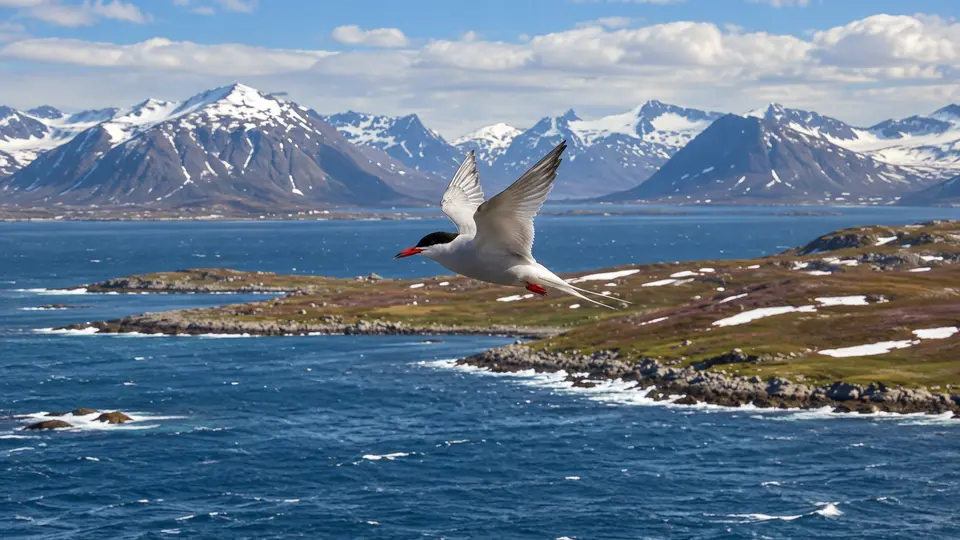
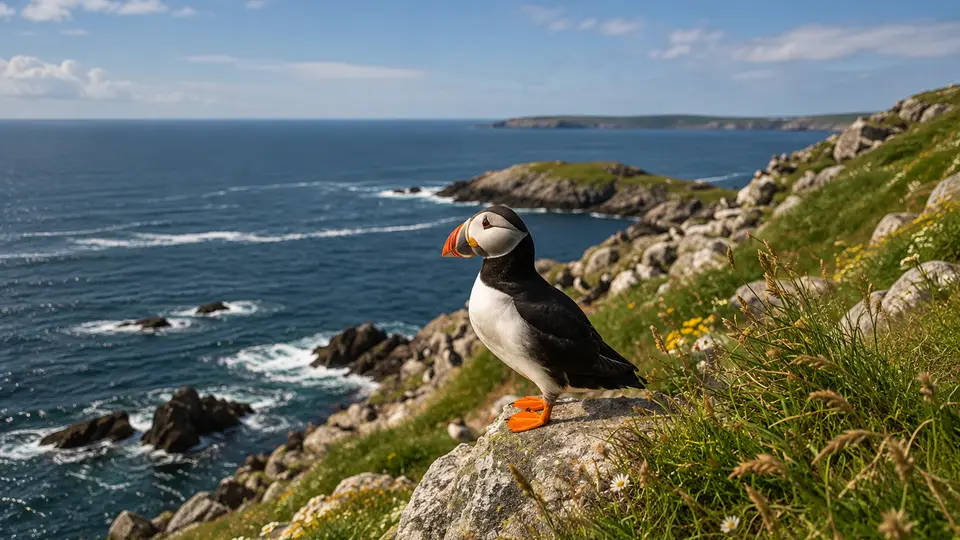
Black-legged KittiwakeAI-modifiedBlack-legged KittiwakeArctic TernAI-modifiedArctic TernAtlantic PuffinAI-modifiedAtlantic Puffin
Animal groupBirdsAnimal groupBirdsAnimal groupBirds
DestinationsAlaska, Norway, Scotland, ArcticDestinationsAlaska, Norway, ArcticDestinationsNew England, Norway, Scotland, Arctic
Scientific nameRissa tridactylaScientific nameScientific name
All wildlife destinations
AI-modified
Plan your trip

Find your next wildlife adventure

Compare destinations, shore programs and dates with the animals and habitats you would love to see.

  • Naturalist-led shore excursions
  • Responsible wildlife watching
  • Small expedition ships