عن Tumakohua Pass
ممر توماكوهوا، الواقع في الجزء الجنوبي من جزيرة فاكاراڤا المرجانية في بولينيزيا الفرنسية، هو موقع غوص مشهور عالميًا يحتفى به لتنوعه البيولوجي الاستثنائي ومواجهاته البحرية المليئة بالإثارة. بصفته أحد الممرين الرئيسيين في فاكاراڤا اللذين يربطان المحيط بالبحيرة الشاسعة، يعمل كممر طبيعي حيوي، يوجه كميات هائلة من المياه يوميًا ويركز الحياة البحرية. هذا الممر هو محمية محيط حيوي تابعة لليونسكو، تحمي نظامًا بيئيًا استثنائيًا يتميز بتكوينات مرجانية صلبة ونقية ووفرة غنية من الأسماك. تتميز التضاريس بـ "منحدر التزلج" الشهير – وهو منحدر رملي أبيض طويل يؤدي إلى الممر، ويعمل كنقطة مراقبة أولية قبل الانجراف الرئيسي. عادة ما تكون الأعماق داخل مناطق الغوص الرئيسية سهلة الوصول، مع نشاط كبير يحدث على عمق أقل من 20 مترًا، على الرغم من أن الممر نفسه يمتد إلى أعماق أكبر. يشتهر الموقع بتجمعاته المذهلة من أسماك القرش الرمادية، والتي تظهر غالبًا بأعداد كبيرة لدرجة أنها تشكل "جدارًا من أسماك القرش". بالإضافة إلى هذه الحيوانات المفترسة المهيمنة، يزخر الممر بأسراب من الأسماك المتنوعة، بما في ذلك أسماك الشعور والتريڤالي وأسماك الجراح، جنبًا إلى جنب مع مشاهدات عرضية لأنواع أخرى من أسماك القرش والشفنين. التيارات الديناميكية هنا أساسية لتجربة الغوص الفريدة، حيث تقدم غوصات انجرافية مثيرة. يوفر الغوص في ممر توماكوهوا تجربة غامرة في القوة الخام للمحيط، حيث يصبح الغواصون مراقبين في مملكة بحرية مزدهرة. إنه موقع يجذب أولئك الذين يبحثون عن مغامرات الحيوانات الكبيرة المثيرة في بيئة صحية ومحمية بشكل ملحوظ، ويتطلب احترامًا لحركاته المدية القوية.
أبرز المعالم
Wall of grey reef sharksHigh-octane pelagic encountersUNESCO Biosphere ReserveDynamic drift divingPristine hard coral gardensRich fish density
تقويم المواسم
أفضل أشهر الغوص
يناير
فبراير
مارس
أبريل
مايو
يونيو
يوليو
أغسطس
سبتمبر
أكتوبر
نوفمبر
ديسمبر
ممتاز
جيد
خارج الموسم
مايو – أكتوبر (موسم الجفاف)
أفضل رؤية تصل إلى 40 مترًا. الحيتان الحدباء من يوليو إلى نوفمبر. يبلغ جدار أسماك القرش في فاكارافا ذروته من يونيو إلى يوليو (تفريخ الهامور). ظروف مثالية.
فبراير – أبريل & نوفمبر (فترة انتقالية)
ظروف تتحسن/تتدهور. لا يزال الغوص جيدًا، أمطار عرضية. عدد أقل من السياح، قيمة جيدة.
ديسمبر – يناير (موسم الأمطار/الأعاصير)
ذروة موسم الأمطار مع انخفاض الرؤية، وبحار هائجة محتملة. خطر الأعاصير. لا تزال بعض الشركات تنظم رحلات إلى رانغيروا وفاكارافا.
بيانات موقع الغوص: Tumakohua Pass
- العمق
- 15–24 m (typical dive)
- الغوصة النموذجية
- 20–24 m, 60–65 min
- التيار
- قوي (غوص انجرافي dives)
- مدى الرؤية
- 30+ m
- درجة حرارة الماء
- 26–29 °C
- طريقة النزول
- قارب / دخول انجرافي
- المستوى
- متقدم, خبرة الغوص في التيار ضرورية
- نوع الغوص
- غوص انجرافي, محيطي, سمكة قرش encounters
- الغوص الليلي
- Possible (أسماك القرش)
- المنطقة / الميناء
- Fakarava, Tuamotu Archipelago, French Polynesia
- الإحداثيات
- 16.2942° S, 145.4528° W
الظروف والتيارات
ينطوي الغوص في ممر توماكوهوا على تيارات قوية نظرًا لوظيفته كقناة بين المحيط والبحيرة. الغوصات الأكثر شهرة هي الغوصات الانجرافية الموقوتة مع التيارات الداخلة، التي تدفع المياه الغنية بالمغذيات والحياة البحرية إلى الممر. قد تكون هذه التيارات قوية، وتتطلب من الغواصين أن يكونوا مرتاحين مع حركة المياه النشطة والتحكم الدقيق في الطفو. يقوم المشغلون بتوقيت عمليات الدخول والخروج بعناية حول تغيرات المد والجزر لتحسين التجربة وإدارة سرعة الانجراف؛ حتى التيارات المعتدلة يمكن أن تزداد شدتها داخل الممر الضيق. يجب أن يتوقع الغواصون استخدام نقاط المراقبة حيث قد يحتاجون إلى التشبث بالصخور للحفاظ على وضعهم ومراقبة المشاهد البحرية. بينما يمكن أن تكون التيارات مبهجة، فإنها تتطلب تخطيطًا جيدًا للغاز ووعيًا بفريق الغوص الخاص بك. غالبًا ما تكون الرؤية ممتازة، وتتجاوز 30 مترًا عادةً، ولكن التيارات القوية يمكن أن تثير الرواسب أحيانًا
الحياة البحرية واحتمال المشاهدة

Grey reef shark
شائع
Whitetip reef shark
أحياناً
Blacktip reef shark
أحياناً
Camouflage grouper
June, July (spawning) · أحياناً
Snapper
شائع
Trevallies
شائع
Surgeonfish
شائع
Napoleon wrasse
أحياناً
Eagle ray
أحياناً
Hard corals
شائعمخطط الغوصة وسيرها
Dives in Tumakohua Pass typically begin with a boat drop-off over the "ski slope," a distinctive sandy slope at the entrance of the pass, just as an incoming current begins. Divers descend quickly to avoid being swept past the primary observation areas. The initial phase involves drifting gently over the sandy bottom while watching for marine life, especially sharks. As the current strengthens, divers typically find sheltered spots along the reef wall to observe the renowned "wall of sharks" and other pelagic species being funneled into the pass. This can involve using a reef hook or carefully placing a finger on a stable rock to avoid coral damage. The dive progresses as a controlled drift through the pass, varying in depth but often staying above 20-25 meters to maximize bottom time. Turnaround is determined by current strength and air consumption. Safety stops are often performed in calmer areas towards the end of the drift or in the more protected lagoon side, depending on the current's behavior.
التصوير تحت الماء
Capturing the famous "wall of sharks" in Tumakohua Pass requires a wide-angle lens, ideally a fisheye, to encompass the sheer number of animals. Due to strong currents, stability is key; a reef hook can be invaluable for maintaining position during observation periods, allowing for more composed shots. Natural light is often sufficient given the excellent visibility, but strobes can enhance color and detail on closer subjects, particularly the corals and individual fish. For sharks, shoot against the blue or with a slight upward angle to emphasize their presence. Be prepared for fast-moving action and use a rapid autofocus system. While capturing the big picture is a priority, don't overlook macro opportunities in calmer reef sections or for smaller reef inhabitants, although the pass itself is primarily a wide-angle domain. Always practice exemplary buoyancy and situational awareness to avoid disturbing marine life or your fellow divers in the strong current.
مواقع قريبة يمكن دمجها
- Garuae Pass
Northern pass of Fakarava, known for exceptional drift diving and pelagic encounters, considered the largest pass in the Tuamotu Islands.
- Alibaba
A canyon system located within Garuae Pass, famed for its density of fish and sharks.
- Ohotu
Another dive site associated with Fakarava's northern pass, offering various reef and current diving experiences.
الوصول والترتيبات
Access to Tumakohua Pass typically begins with flights into Fakarava (FAV) airport, often via Tahiti (PPT). From the main village of Rotoava in the north of Fakarava, reaching the southern pass requires a day trip, usually involving a boat journey across the lagoon. These full-day excursions often include two dives at Tumakohua Pass, along with lunch breaks at locations like the 'Sables Roses' (Pink Sands). Accommodation options in Fakarava range from pensions in Rotoava to specific dive resorts near the southern pass, like Tetamanu Diving Village, which offers immediate access. Permits are not typically required for recreational diving, but dive operations adhere to strict environmental regulations given Fakarava's UNESCO Biosphere Reserve status. Liveaboards operating in the Tuamotus also frequently include Fakarava in their itineraries, providing multi-atoll dive experiences.
السلامة والبيئة
Diving Tumakohua Pass demands a high level of diver proficiency due to its strong and unpredictable currents. Excellent buoyancy control and experience in drift diving are essential. Divers must always follow the lead of their local dive guides, who are experienced in timing dives with tidal movements. The nearest recompression chamber is located in Tahiti, emphasizing the critical importance of careful dive planning, adherence to depth and time limits, and sufficient safety stops. Evacuation from Fakarava can be complex and time-consuming, necessitating comprehensive dive accident insurance that covers medical emergencies and air evacuation. Site-specific hazards include the potential for rapid current changes, which can separate divers if not vigilant, and avoiding contact with corals when using reef hooks. Divers should remain alert to their surroundings, maintain good communication with their group, and carry appropriate safety equipment for drift diving.
لمن يناسب — ولمن لا
مناسب لـ
- Experienced divers comfortable with strong currents
- Advanced Open Water divers and above
- Divers seeking large pelagic and shark encounters
- Underwater photographers with wide-angle setups
- Adventure seekers desiring high-energy drift dives
أقل مناسبة لـ
- Beginner divers or those without current diving experience
- Divers with poor buoyancy control
- Divers prone to seasickness in choppy conditions
- Those looking exclusively for calm, leisurely dives
- Divers without comprehensive dive accident insurance
الأسئلة الشائعة
أسئلة شائعة عن Tumakohua Pass
What makes Tumakohua Pass unique for diving?
Tumakohua Pass is celebrated for its incredible "wall of sharks," primarily grey reef sharks, which aggregate in vast numbers within the pass. This phenomenon, combined with strong drift currents and pristine coral formations, creates an unparalleled high-energy diving experience. It's a protected UNESCO Biosphere Reserve, ensuring a healthy and vibrant ecosystem.
Is Tumakohua Pass suitable for all diver levels?
Due to the strong and sometimes unpredictable currents, Tumakohua Pass is best suited for experienced divers, particularly those comfortable with drift diving. Excellent buoyancy control and careful adherence to guide instructions are crucial. Beginners or those without prior current experience may find the conditions challenging.
What marine life can I expect to see at Tumakohua Pass?
The pass is famous for its massive aggregations of grey reef sharks, often seen in a "wall" formation. You can also expect to encounter schools of snappers, trevallies, and surgeonfish, along with occasional sightings of whitetip and blacktip reef sharks, eagle rays, and Napoleon wrasse. During certain months, camouflage groupers gather to spawn.
How do currents affect diving at Tumakohua Pass?
Currents are a defining feature of diving Tumakohua Pass. Dives are typically planned as drift dives during incoming tides, which bring nutrient-rich water and marine life into the lagoon. These currents can be strong, dictating the dive profile and requiring divers to be proficient in current management, sometimes using reef hooks to observe.
Can non-divers or snorkelers experience Tumakohua Pass?
Yes, Tumakohua Pass offers excellent snorkeling opportunities, often considered some of the best in the world. Non-divers can be dropped off by boat to snorkel in shallower, calmer areas, where they can still encounter blacktip sharks, eagle rays, and vibrant corals. Freedivers comfortable reaching 10-15 meters may even observe grey sharks.
What is the water temperature and visibility like?
Water temperatures in Tumakohua Pass typically range from 26°C to 29°C (79°F to 84°F), making a 3mm wetsuit sufficient for most divers. Visibility is generally excellent, often exceeding 30 meters (100 feet), providing clear views of the abundant marine life and the dramatic underwater topography.
لماذا الغوص في Tumakohua Pass عبر لايف أبورد؟
Tumakohua Pass من أبرز مواقع الغوص في بولينيزيا الفرنسية. يوفر اللايف أبورد إقامة على الماء و3 إلى 4 غوصات يومياً مع مرشد، بما فيها غوصات الفجر والليل التي نادراً ما تقدمها قوارب اليوم الواحد. توفّر العودة اليومية إلى الميناء وتصل إلى مواقع أهدأ في نفس المنطقة في رحلة واحدة.
فيما يلي قوارب اللايف أبورد التي تشمل Tumakohua Pass في برامجها عبر بولينيزيا الفرنسية.
قوارب اللايف أبورد إلى Tumakohua Pass
These liveaboards may visit Tumakohua Pass on selected itineraries — the exact dive sites depend on departure, weather and conditions.
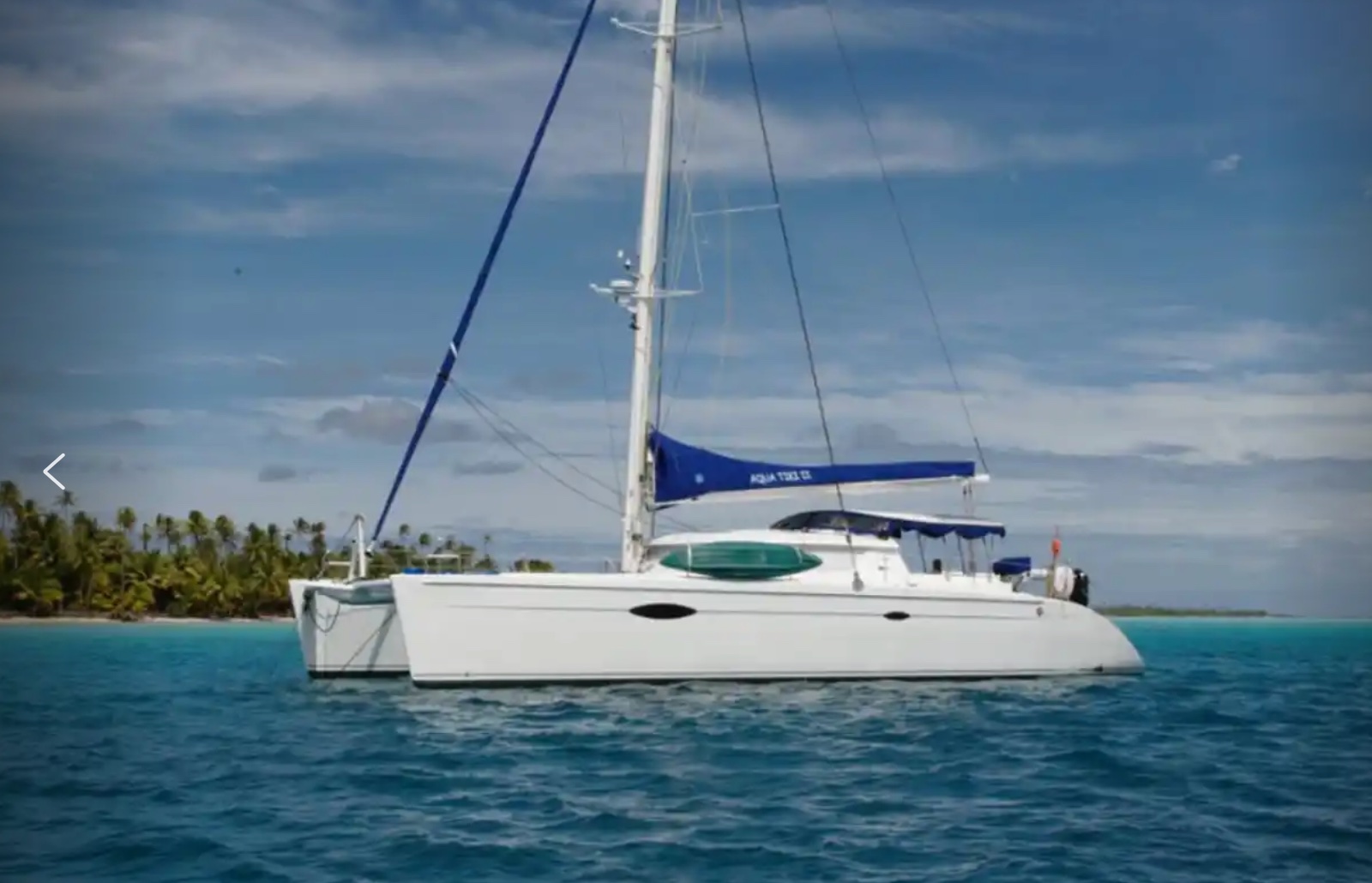
Aqua Tiki II
بولينيزيا الفرنسية
8 ضيوف
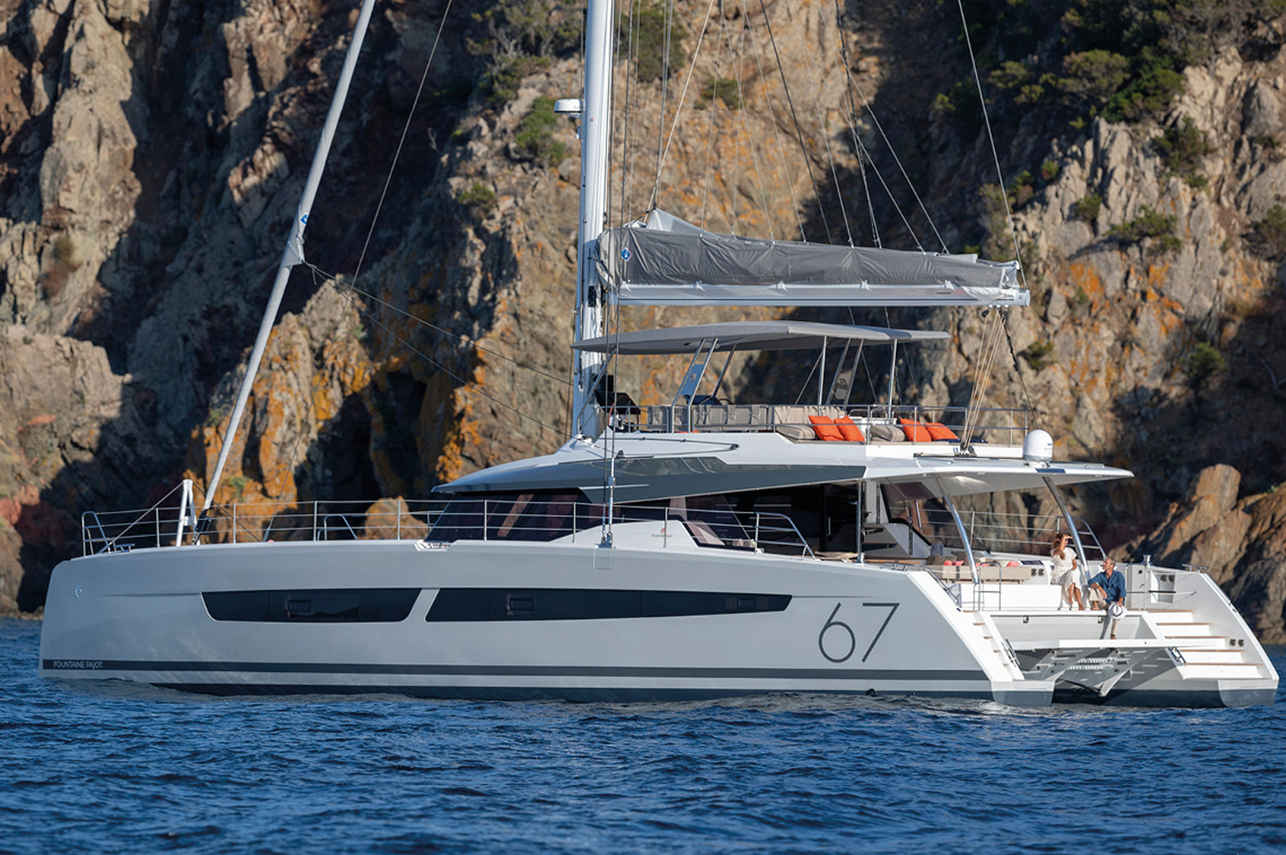
Aqua Tiki III
بولينيزيا الفرنسية
10 ضيوف20 m
مواقع غوص مشابهة لـ Tumakohua Pass
الطابع نفسه والمياه نفسها — ستة مواقع أخرى يحبها الغواصون للأسباب ذاتها.قارن المواسم والوصول ومسارات الليفابورد، ثم اختر الموقع الأنسب لرحلتك.
© Esri — Maxar, Earthstar, GIS
شعاب أجينكورت المرجانية
أستراليا
تقع شعاب أجينكورت المرجانية على الحافة الخارجية للحاجز المرجاني العظيم، على بعد حوالي 60-72 كم من بورت دوجلاس في أقصى شمال كوينزلاند، عند الطرف الجنوبي من الشعاب المرجانية…
- مناسب لـ
- مبتدئ
- التيار
- معتدل
- الوصول
- قارب يومي
- العمق
- 2–20 m
- الموضوع
- شعاب مرجانية / جدار
تقدم Ahe Atoll، وهي وجهة نائية وأصيلة في بولينيزيا الفرنسية، تجربة غوص تشابكت بعمق مع مجتمع زراعة اللؤلؤ المحلي.
- مناسب لـ
- متقدم
- التيار
- قوي
- الوصول
- رحلة غوص أو قارب يومي
- العمق
- 5–22 m
- الموضوع
- قناة / تيار
© Esri — Maxar, Earthstar, GIS
ألاكريتي شول
فيجي
منطقة Alacrity Shoal هي موقع غوص ممتاز في فيجي، وتشتهر بفرص الغوص الانجرافي المذهلة وتنوعها البيولوجي البحري الغني.
- مناسب لـ
- متقدم
- التيار
- قوي
- الوصول
- رحلة غوص أو قارب يومي
- العمق
- 12–40 m
- الموضوع
- تيار / جبل بحري
موقع علي بابا (Alibaba) هو غوص انسيابي شهير يقع ضمن ممر غاروا (Garuae Pass) شمال فاكـاراڤا (Fakarava)، وهي محمية محيط حيوي تابعة لليونسكو في أرخبيل تواموتو.
- مناسب لـ
- متوسط
- التيار
- قوي
- الوصول
- عبر رحلات الغوص فقط
- العمق
- 5–30 m
- الموضوع
- شعاب مرجانية
© Esri — Maxar, Earthstar, GIS
شعاب أليكو
ميكرونيزيا
شعاب أليكو هي موقع غوص بارز داخل ياب، ميكرونيزيا، وتتميز بتضاريس بحرية آسرة تجمع بين جدار صغير وهضبة مرجانية واسعة.
- مناسب لـ
- متوسط
- التيار
- ضعيف
- الوصول
- قارب يومي
- العمق
- 6–15 m
- الموضوع
- شعاب مرجانية / جدار
© Esri — Maxar, Earthstar, GIS
أميتي بوينت
أستراليا
أميتي بوينت هو وجهة غوص شاطئية شهيرة تقع في الطرف الشمالي الغربي من جزيرة نورث سترادبروك، ضمن المياه المحمية لخليج موريتون.
- مناسب لـ
- مبتدئ
- التيار
- معتدل
- الوصول
- من الشاطئ / قارب يومي
- العمق
- 5–15 m
- الموضوع
- شعاب مرجانية