Bluerides – Blue Rides - Reserve cruzeiros de mergulho em todo o mundoOCEAN ADVENTURES
Cruzeiros FluviaisRiosNatureza e vida selvagemA Nossa Promessa
Cruzeiros FluviaisRiosNatureza e vida selvagemA Nossa PromessaEntrar

Destinos fluviais

  • Destinos fluviais
  • Amazonas
  • Danúbio
  • Reno
  • Mekong
  • Nilo

Navios e partidas

  • Pesquisa de Cruzeiros Fluviais
  • Ofertas

Natureza e vida selvagem

  • Natureza e vida selvagem

Apoio ao viajante

  • A Nossa Promessa
  • Contacto

Contacto

Fale connosco

Fala connosco quando quiseres, ajudamos-te a escolher a viagem ou a esclarecer dúvidas.

E-mailEscreve-nos: respondemos normalmente em poucas horas.
contact@bluerides.com
WhatsAppFala connosco no WhatsApp, seg–sex 10:00–16:00 (CET).
Iniciar conversa no WhatsApp
TelefoneLigue-nos, teremos todo o gosto em ajudar.
Chamada gratuita, seg–sex 10:00–20:00 (CET).
Europa+49 800 1144 990EUA+1 888 557 7735Reino Unido+44 800 707 4152Austrália+61 2 8599 6113Canadá+1 888 557 7735
Which river journey is yours?Answer 8 quick questions and find the river cruise that fits you.
8 questions, 1 minute·Plus Gift
Métodos de pagamento segurosOs seus pagamentos estão totalmente protegidos com encriptação AES-256.
Desenvolvido porStripeWiseAMEXPayGoogle PaySEPABank
Aviso Legal·Termos e Condições·Política de Privacidade·Sobre nós·Contacto·Termo de Responsabilidade·Programa de afiliados·Cruise·
Visite-nos aqui

© 2026 Blue Rides. Todos os direitos reservados.·

Bluerides – Blue Rides - Reserve cruzeiros de mergulho em todo o mundoOCEAN ADVENTURES
Cruzeiros FluviaisRiosNatureza e vida selvagemA Nossa Promessa
Cruzeiros FluviaisRiosNatureza e vida selvagemA Nossa PromessaEntrar
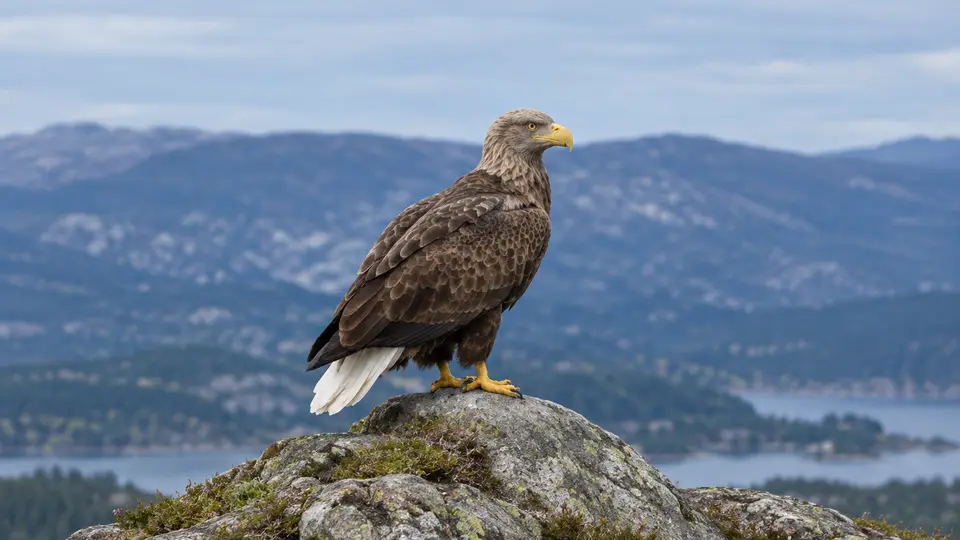
White-tailed eagle numa zona húmida — Danube, Rhine, fauna dos cruzeiros fluviais
Início›Cruzeiros Fluviais›Vida Selvagem Fluvial›White-tailed Eagle

White-tailed EagleHaliaeetus albicillaOnde e quando observá-los

Espécie anteriorWhite-breasted WaterhenEspécie seguinteWhite-throated Kingfisher

White-tailed Eagle num relance

The White-tailed Eagle is a very large bird of prey associated with productive waters and suitable resting or nesting structures. Adults combine a brown body with a paler head and neck and a conspicuous white tail. Despite the alternative name sea eagle, inland lakes and delta wetlands are relevant habitat, and fish are only part of its varied diet. The Danube registry places this species in the Romanian delta around Mahmudia and connected lakes and channels, not on the standard Passau–Vienna–Bratislava–Budapest route. A separate Rhine registration concerns Hardenhoek in the Dutch Biesbosch, an optional wetland detour rather than Amsterdam or the Amsterdam–Rhine Canal. Original Danube Delta research independently confirms a nesting population and documents threats to it. Neither a species checklist nor a nesting study predicts a close encounter from an ordinary cruise deck.

Comportamento e reprodução

Tamanho
Not verified
Peso
Species-specific weight not verified
Expectativa de vida
Species-specific lifespan not verified
Estado
See sourced assessment

White-tailed Eagles can soar on broad wings, take prey from water and rest for long periods on suitable perches. RSPB describes lifelong pairing and strong fidelity to nest sites, with pairs adding material over successive breeding seasons. Those general species details help explain why repeated disturbance near a nesting territory can be consequential. In the Danube Delta, a ten-year study covering 2009–2018 registered 166 nests across the reserve and surrounding area. It documented both natural nest losses and human pressures, including disturbance by fishermen and tourists. These are research records of nesting structures, not 166 simultaneously occupied nests or a list of visitor destinations. No local egg-laying or arrival month is inferred from them. If an eagle changes its behaviour in response to a boat or group, increase distance rather than attempting to obtain a closer view or locate the nest.

Melhores locais para vida selvagem

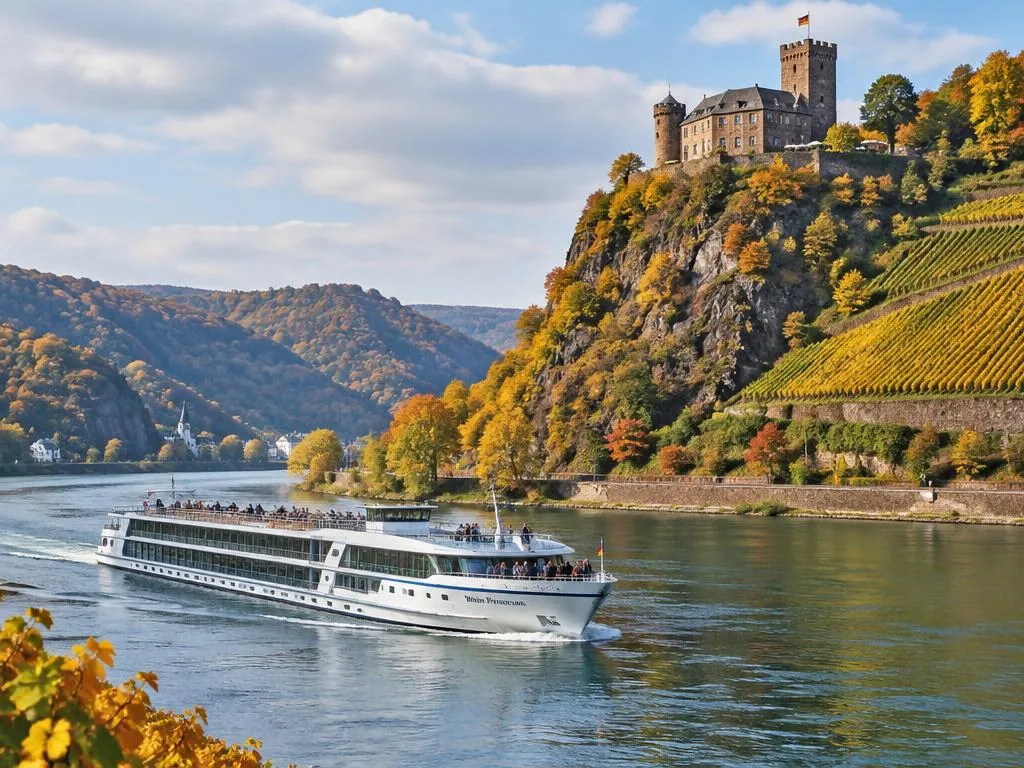
Paisagem fluvial de Danube — habitat dos cruzeiros fluviais

Danube

Romania: Danube Delta around Mahmudia and delta lakes/channels. This is a separate lower-Danube or delta itinerary, not Passau–Vienna–Bratislava–Budapest. The registered checklist confirms occurrence; independent research confirms nesting across the reserve and surroundings but does not identify a dependable tourist observation point at every lake. Expect potentially distant views and respect nest-sensitive areas.
Explorar cruzeiros fluviais
Paisagem fluvial de Rhine — habitat dos cruzeiros fluviais

Rhine

Dutch Rhine–Meuse delta: Hardenhoek, Biesbosch; optional wetland detour, not Amsterdam or the Amsterdam–Rhine Canal. The registered birding-site account identifies White-tailed Eagle as a species to look for. Its favourable viewing language is not a guarantee; birds can be distant and a telescope may help.

Explorar cruzeiros fluviais

Os destinos descrevem o habitat da espécie, não paragens garantidas do cruzeiro. Alguns animais exigem uma excursão terrestre opcional ou encontram-se em reservas restritas.

Curiosidades sobre o White-tailed Eagle

  • Adults have white tail feathers, but young birds are less straightforward to identify.
  • The large head projects noticeably beyond the wings in flight.
  • Broad wings with fingered tips contribute to its distinctive silhouette.
  • RSPB reports a wingspan that can reach 2.4 metres.
  • Fish are part of a diet that also includes birds, mammals and carrion.
  • White-tailed Eagles can steal food from other animals.
  • Pairs can remain faithful to the same nest site and add material repeatedly.
  • A Danube Delta study registered 166 nests across ten years, not 166 simultaneously occupied territories.
  • Tourist disturbance was among the human pressures documented by the local nesting study.

Melhor altura para ver o White-tailed Eagle

Romanian Danube Delta only: local specialist Ibis Tours identifies April as viewing recommendations for this species. This is operator guidance, not a statistical sighting forecast; it does not extend to Passau, Vienna or Budapest. Colonies must be watched from permitted routes without close nest approaches. Other registered reaches retain their separate evidence and unknown months. These highlighted windows are recommendations, not the only months when the species may occur. Ask the guide about recent observations, current water access and local restrictions before choosing an excursion. Historical records and breeding dates elsewhere are not used to fill gaps in the local calendar.

White-tailed Eagle: matriz de épocas por destino

Highlighted months reflect the stated local evidence, not guaranteed encounters. Neutral months mean no verified monthly viewing window, not absence. Observation records and recommended viewing windows are distinct.

Danube

Romanian Danube Delta only: local specialist Ibis Tours identifies April as viewing recommendations for this species. This is operator guidance, not a statistical sighting forecast; it does not extend to Passau, Vienna or Budapest. Colonies must be watched from permitted routes without close nest approaches.

jan.fev.mar.abr.mai.jun.jul.ago.set.out.nov.dez.
Explorar cruzeiros fluviais

Rhine

No exact eagle-specific local viewing months confirmed. The registry’s spring/summer reference concerns spoonbills and must not be reassigned to White-tailed Eagle.

jan.fev.mar.abr.mai.jun.jul.ago.set.out.nov.dez.
Explorar cruzeiros fluviais

Onde vive o White-tailed Eagle

Large lakes, channels and wetland margins provide the watery setting relevant to the registered Danube Delta occurrence. Trees and other suitable structures can offer perches, while nesting habitat must be protected from repeated intrusion. The original Romanian study concerns the Danube Delta Biosphere Reserve and its surroundings, a much broader area than a single excursion from Mahmudia. It should not be read as proof that every lake included in an itinerary contains an occupied territory. In the Netherlands, the registered place is Hardenhoek in the Biesbosch, within the Dutch Rhine–Meuse delta. This is a distinct wetland landscape requiring an appropriate detour or local visit. A river name alone does not describe the combination of feeding habitat, resting sites and low disturbance that an eagle uses. Follow reserve access rules and avoid treating remote trees or islands as targets for closer boat approaches.

O que o White-tailed Eagle come

Fish are important prey, but the White-tailed Eagle is an opportunistic predator and scavenger rather than a specialist that eats only fish. RSPB lists mammals, birds such as gulls and ducks, and carrion alongside fish. Its account of diet research also describes food stealing from other birds and even otters. These are species-level feeding behaviours, not a measured menu for Mahmudia or Hardenhoek. What an individual takes depends on available food, and a single feeding observation cannot establish the proportions of its local diet. An eagle resting beside a lake may be watching for prey, digesting a meal or simply using a convenient perch; its purpose should not be asserted without evidence. Never supply fish or other bait to attract an eagle. Feeding changes the observation and may draw wildlife towards boats, fishing activity or other hazards instead of allowing natural behaviour.

Espécie num relance

Nome comum
White-tailed Eagle
Scientific name
Haliaeetus albicilla
Grupo de animais
Birds
Tamanho
Wingspan can reach 2.4 m (7.9 ft), according to RSPB; body-length range not verified here
Peso
Species-specific weight not verified
Expectativa de vida
Species-specific lifespan not verified
Estado
A 2023 Danube Delta research paper reports the species as globally Least Concern, citing IUCN and BirdLife International, while emphasising its conservation needs in Romania. This is an attributed 2023 statement, not a newly checked global assessment. UK conservation classifications are not transferred to Romania or the Netherlands.
Identificação
An adult White-tailed Eagle has a brown body, a conspicuously paler head and neck, a large yellow bill and white tail feathers. RSPB emphasises its massive, broad wings with fingered tips, projecting head and wedge-shaped tail. It commonly soars with the wings held flatter than the raised V associated with Golden Eagles. Young birds have a darker bill and do not provide the same straightforward adult combination, so a missing bright white tail does not automatically exclude the species. Poor light and great distance can also conceal useful details. Record shape, proportions and visible colour features together, and seek local confirmation for uncertain birds. RSPB’s description of this as the UK’s largest bird of prey is a British comparison, not a measurement of every delta raptor. No unverified weight or lifespan is supplied here, and size alone should not determine an identification.

White-tailed Eagle: perguntas frequentes

Onde posso ver o White-tailed Eagle?
Danube, Rhine. Scan distant trees, lake margins and the sky with binoculars before concluding that an eagle is absent. A telescope can help with a perched bird that would otherwise appear only as a dark shape. In flight, note the proportions of the wings, head and tail instead of relying on size alone, which can be difficult to judge without a reference. From a boat, keep a steady course and use a long lens rather than steering closer to a resting bird. Do not ask a guide to flush it for a flight photograph. The Danube Delta nesting study explicitly identifies tourist and fishing disturbance among human pressures on nests. Avoid searching for occupied nest trees, disembarking on restricted islands or sharing sensitive nest locations. At Hardenhoek, use established viewing places and recognise that a good wetland viewpoint cannot guarantee an eagle will be present during a particular visit.
Qual é a melhor época para ver o White-tailed Eagle?
Romanian Danube Delta only: local specialist Ibis Tours identifies April as viewing recommendations for this species. This is operator guidance, not a statistical sighting forecast; it does not extend to Passau, Vienna or Budapest. Colonies must be watched from permitted routes without close nest approaches. Other registered reaches retain their separate evidence and unknown months. These highlighted windows are recommendations, not the only months when the species may occur. Ask the guide about recent observations, current water access and local restrictions before choosing an excursion. Historical records and breeding dates elsewhere are not used to fill gaps in the local calendar.
Que tamanho atinge o o White-tailed Eagle?
Wingspan can reach 2.4 m (7.9 ft), according to RSPB; body-length range not verified here. Peso adulto: Species-specific weight not verified. O tamanho varia com a idade, o sexo e a população.
Como me devo comportar perto de o White-tailed Eagle?
Scan distant trees, lake margins and the sky with binoculars before concluding that an eagle is absent. A telescope can help with a perched bird that would otherwise appear only as a dark shape. In flight, note the proportions of the wings, head and tail instead of relying on size alone, which can be difficult to judge without a reference. From a boat, keep a steady course and use a long lens rather than steering closer to a resting bird. Do not ask a guide to flush it for a flight photograph. The Danube Delta nesting study explicitly identifies tourist and fishing disturbance among human pressures on nests. Avoid searching for occupied nest trees, disembarking on restricted islands or sharing sensitive nest locations. At Hardenhoek, use established viewing places and recognise that a good wetland viewpoint cannot guarantee an eagle will be present during a particular visit.
O que come o o White-tailed Eagle?
Fish are important prey, but the White-tailed Eagle is an opportunistic predator and scavenger rather than a specialist that eats only fish. RSPB lists mammals, birds such as gulls and ducks, and carrion alongside fish. Its account of diet research also describes food stealing from other birds and even otters. These are species-level feeding behaviours, not a measured menu for Mahmudia or Hardenhoek. What an individual takes depends on available food, and a single feeding observation cannot establish the proportions of its local diet. An eagle resting beside a lake may be watching for prey, digesting a meal or simply using a convenient perch; its purpose should not be asserted without evidence. Never supply fish or other bait to attract an eagle. Feeding changes the observation and may draw wildlife towards boats, fishing activity or other hazards instead of allowing natural behaviour.
Os avistamentos de vida selvagem são garantidos num cruzeiro fluvial?
Não. Os animais movem-se livremente e as rotas, o tempo, as restrições de acesso e as condições locais influenciam cada passeio. Confirma o itinerário e o programa de excursões antes de reservares.

Comparar vida selvagem nos mesmos destinos

Explora outros birds registados nestes destinos. Ambientes semelhantes não significam que os animais partilhem os mesmos hábitos ou a mesma época de observação.

Comparação de espécies por grupo animal e destino
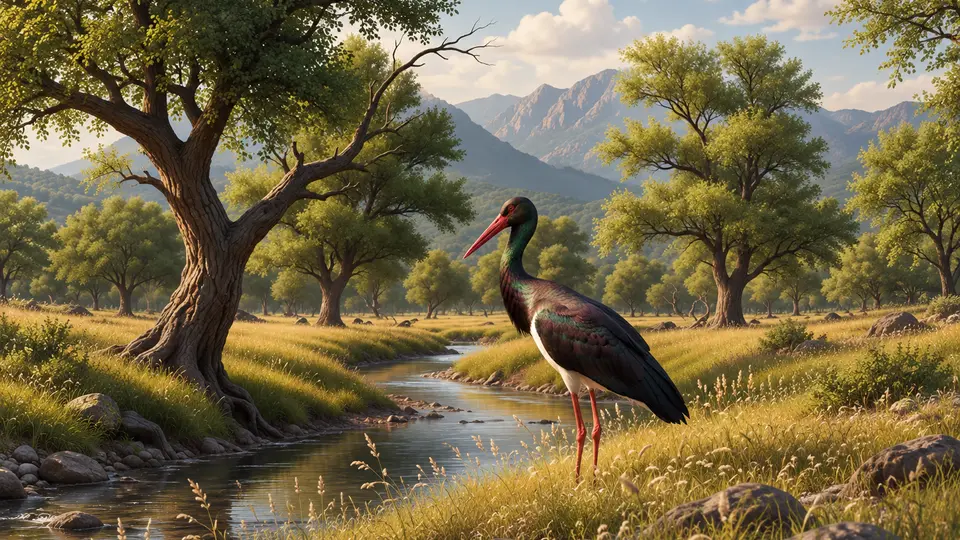
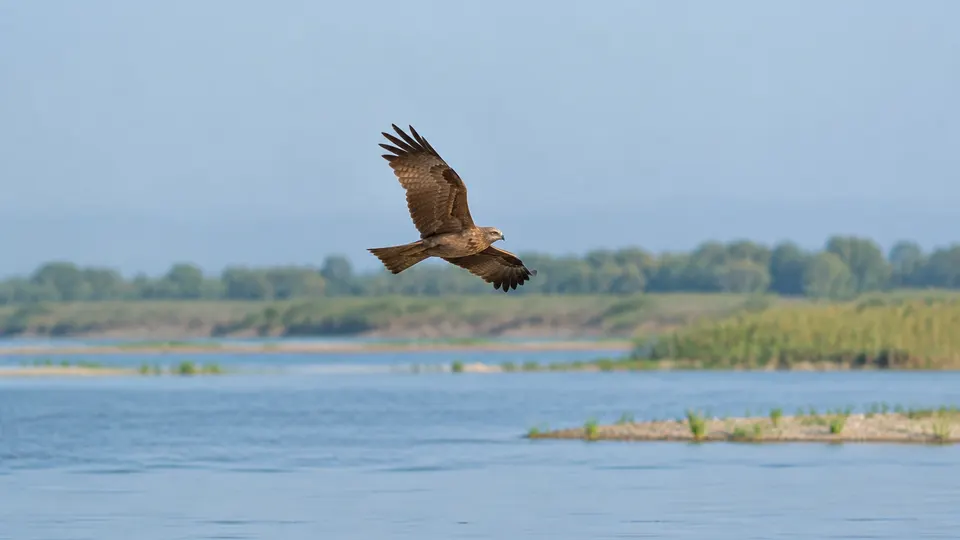
White-tailed eagle numa zona húmida — Danube, Rhine, fauna dos cruzeiros fluviaisWhite-tailed EagleBlack kite numa zona húmida — Danube, Rhine, fauna dos cruzeiros fluviaisBlack KiteBlack stork numa zona húmida — Danube, fauna dos cruzeiros fluviaisBlack Stork
Grupo de animaisBirdsGrupo de animaisBirdsGrupo de animaisBirds
DestinosDanube, RhineDestinosDanube, RhineDestinosDanube
Scientific name
Haliaeetus albicilla
Scientific name
Scientific name
Espécie anteriorWhite-breasted WaterhenEspécie seguinteWhite-throated Kingfisher
Toda a vida selvagem ribeirinha
On this page
  • 01Cerca de
  • 02Comportamento e reprodução
  • 03Melhores locais para vida selvagem
  • 04Curiosidades
  • 05Melhor época
  • 06Matriz de temporadas por destino
  • 07Habitat
  • 08Dieta
  • 09Espécie num relance
  • 10Perguntas e respostas
  • 11Comparar

Find your river cruise

Planeia a tua viagem

Encontra a tua próxima viagem fluvial

Compara destinos, programas em terra e datas com os animais e habitats que adorarias ver.

  • Excursões em terra diárias
  • Observação responsável de vida selvagem
  • Navios de rio boutique
Explorar cruzeiros fluviais