O Skaru Reef
Skaru Reef to słynne miejsce nurkowe położone w kultowych Wyspach Banda. Wznosi się ono z głębokiego Morza Banda, około 140 km na południe od wyspy Seram. Ten region, znany jako „Wyspy Korzenne”, słynie z bogatej historii i wyjątkowej bioróżnorodności morskiej, co czyni go głównym celem wypraw safari nurkowych. Rafę położono blisko Pulau Hatta, co wskazuje na topografię charakterystyczną dla wysp wulkanicznych we wewnętrznym łuku Morza Banda. Miejsca te zazwyczaj oferują strome urwiska i nachylone rafy ozdobione spektakularnymi twardymi koralami, ogromnymi gorgoniami i gigantycznymi gąbkami. Bogate w składniki odżywcze wody krążące wokół tych formacji wspierają kwitnący ekosystem, przyciągając szeroki wachlarz gatunków morskich. Chociaż szczegółowe dane sezonowe dla Skaru Reef nie są wyraźnie opisane, szerszy region Morza Banda oferuje optymalne warunki do nurkowania od marca do kwietnia i od września do listopada. W tych okresach nurkowie mogą spodziewać się obserwacji dużych pelagicznych gatunków, takich jak rekiny młoty i manty mobula, a także obfitości ryb rafowych i węży morskich. Obszar ten słynie z dziewiczych, nietkniętych raf ze względu na swoje odległe położenie i minimalny wpływ człowieka. Nurkowanie tutaj jest zazwyczaj częścią planu podróży safari nurkowego, które odkrywa Wyspy Banda, często łącząc miejsca takie jak słynne strumienie lawy, Batu Kapal i Pulau Hatta. Pozwala to nurkom doświadczyć różnorodnych podwodnych krajobrazów, od obszarów bogatych w małe stworzenia po szczyty omywane prądami, wszystko w ramach jednej, kompleksowej podróży.
Najważniejsze
Historyczna lokalizacja Wysp BandaDziewicze rafy koraloweBliskość Pulau HattaRóżnorodny ekosystem rafyMożliwość spotkań z pelagicznymi gatunkamiDostęp wyłącznie dla safari nurkowych
Kalendarz sezonów
Najlepsze miesiące na nurkowanie
Sty
Lut
Mar
Kwi
Maj
Cze
Lip
Sie
Wrz
Paź
Lis
Gru
Doskonały
Fakty o dive site: Skaru Reef
- Prąd
- Zmienna, Słaby do Silny
- Widoczność
- 20–40 m
- Temperatura wody
- 25–28°C (77–82.4°F)
- Wejście do wody
- Ponton z łodzi safari
- Poziom
- OWD lub equivalent, doświadczenie w prądach beneficial for some sites
- Rodzaj nurkowania
- Rafa, Ściana, Pelagiczne
- Region / port
- Banda Sea, Maluku, Indonesia
- Współrzędne
- 4.6067° S, 129.9328° E
Warunki i prądy
Nurkowanie w Morzu Banda, a co za tym idzie w miejscach takich jak Skaru Reef, często wiąże się ze zmiennymi prądami, które mogą wahać się od łagodnych do silnych. Te dynamiczne warunki są pod wpływem cyklu księżycowego i specyficznych formacji geograficznych, takich jak przejścia między wyspami czy podwodne góry. Bogate w składniki odżywcze wody, często napędzane tymi prądami, przyciągają mnóstwo życia morskiego, w tym większe gatunki pelagiczne. Chociaż podstawowe doświadczenie z prądami jest korzystne, wiele obszarów w Morzu Banda jest odpowiednich dla różnych poziomów umiejętności, w tym zaciszne miejsca. Widoczność jest stale dobra, często osiągając 20–30 metrów, a czasem nawet 40 metrów, zapewniając wyraźne widoki podwodnego środowiska nawet przy obecności prądów. Temperatura wody pozostaje komfortowo stabilna między 25°C a 28°C przez cały rok, co pozwala na dłuższe czasy nurkowania bez znacznej ochrony termicznej.
Życie morskie i szanse na spotkanie
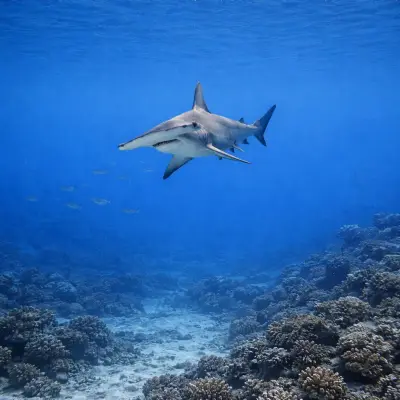
Hammerhead sharks
March-April, September-November · często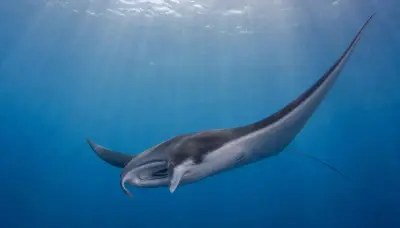
Mobula rays
March-April, September-November · często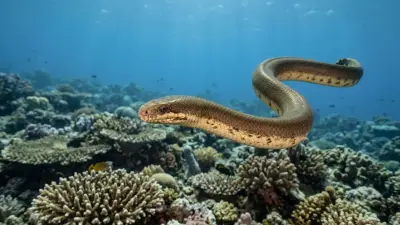
Sea snakes
często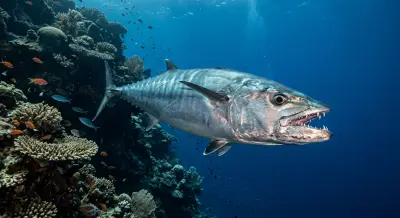
Tuna
często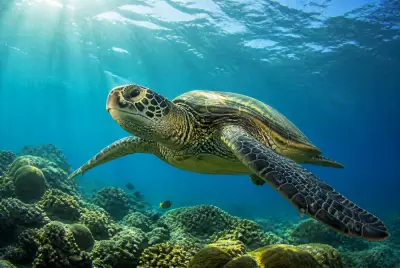
Turtles
często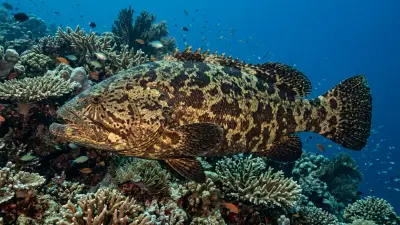
Groupers
często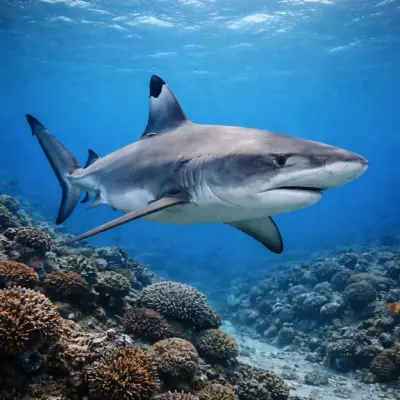
Reef sharks
często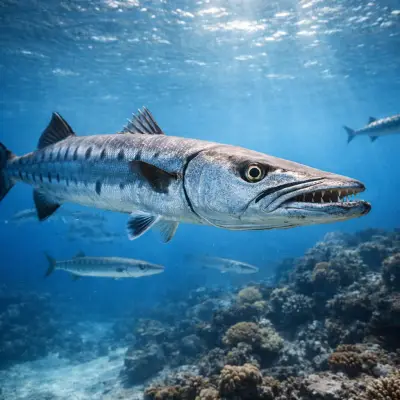
Barracudas
często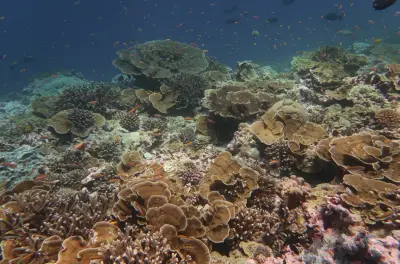
Schooling reef fish
często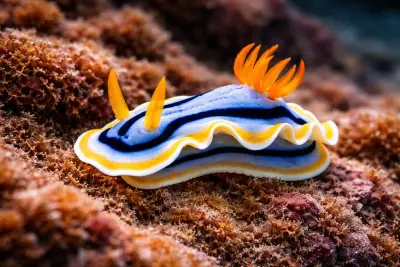
Nudibranchs
często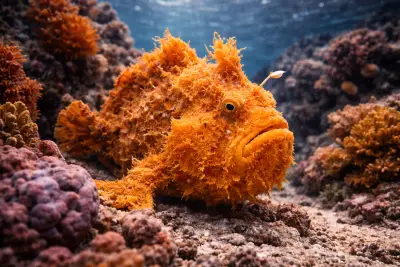
Frogfish
czasami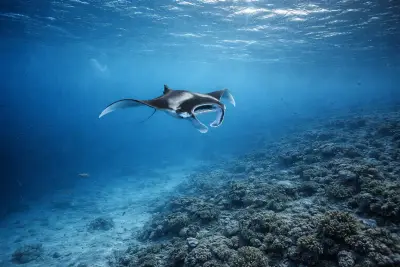
Manta rays
czasamiProfil i przebieg nurkowania
Dives at Skaru Reef are typically conducted from a liveaboard tender, given the site's remote location within the Banda Sea. The specific entry technique depends on local conditions, which can include currents ranging from mild to strong, potentially necessitating negative entries for experienced divers. The profile often involves exploring the sloping reef and wall structures that characterize the Banda Islands. Divers descend along the reef, observing the prolific hard and soft corals, sea fans, and sponges that cover the formations. Depth progression will vary based on current and pelagic activity, with deeper sections offering chances for hammerhead encounters, while shallower areas teem with reef fish. The turn point is generally dictated by air consumption and bottom time limits. Safety stops are performed in the shallower reef sections, often above 5 meters, allowing for extended observation of macro life and ensuring adequate off-gassing before surfacing to the tender.
Fotografia podwodna
Skaru Reef, like many Banda Sea sites, provides exceptional opportunities for both wide-angle and macro photography due to its clear waters and diverse marine life. For capturing the expansive reefscapes and schooling pelagics such as hammerheads or mobula rays, a wide-angle lens is essential. External strobes are highly recommended to bring out the vibrant colors of the healthy corals and to properly illuminate large subjects in deeper water. When focusing on macro subjects like nudibranchs or small crustaceans found among the corals, a macro lens with appropriate snoots or diffusers will enhance detail and minimize backscatter. Maintaining excellent buoyancy control is crucial to avoid damaging the pristine corals and to position yourself effectively for shots, especially in potential currents. Always respect marine life by avoiding chasing or stressing subjects, allowing for natural behaviors to be captured.
Połącz z tymi miejscówkami
- Pulau Hatta
Mentioned as a nearby dive site to Skaru Reef
- Batu Kapal
A dive site in the Banda Islands, visited before or after Skaru Reef
- Ameth
Reliable hammerhead site near Nusa Laut, part of typical Banda Sea itineraries
- Soangi
Isolated seamount visited after Nusa Laut on the way to Banda
- Manuk Ridge
Known for sea snakes, hammerheads, and mobula rays
- Nil Desperandum Atoll
Offers beautiful sloping reefs and walls with pelagic possibilities
Dojazd i logistyka
Access to Skaru Reef and the wider Banda Sea region is exclusively via liveaboard, typically departing from Ambon. Trips often start with muck diving in Ambon Bay or its southern reefs before sailing towards the Lease Islands and then the Banda Islands. Expeditions vary in length, with many 11-day cruises common, ensuring ample time to explore diverse sites. Park and port fees, usually around $390 USD per trip, along with fuel and long-distance surcharges (e.g., $330-$360 USD), are mandatory and often paid in advance. While there are no specific permit fees mentioned for Skaru Reef itself, these costs cover the broader exploration of the remote Banda Sea. Itineraries commonly combine Skaru Reef with other Banda Islands sites like Pulau Hatta and Batu Kapal, before continuing to more distant locations like Manuk and the Forgotten Islands, concluding in ports like Kupang or Maumere depending on the cruise route.
Bezpieczeństwo i środowisko
Diving at Skaru Reef, within the remote Banda Sea, necessitates adherence to robust safety protocols. Divers must hold at least an Open Water Diver certification, with experience in currents strongly recommended due to the variable conditions. A minimum of 20 logged dives is often required by liveaboard operators. Comprehensive dive insurance and medical evacuation insurance are mandatory, given the remoteness of the region. The nearest recompression chamber is likely in a major Indonesian city like Makassar or Bali, making immediate access difficult and evacuation a significant logistical undertaking. Site-specific hazards include strong, unpredictable currents, which require careful dive planning, buddy checks, and the use of signaling devices like surface marker buoys. Always follow the dive brief from your guide, maintain appropriate distance from marine life, and avoid touching corals to preserve the pristine environment.
Dla kogo — a dla kogo nie
Odpowiednie dla
- Experienced divers comfortable with currents
- Divers seeking pristine, untouched reefs
- Underwater photographers
- Those interested in pelagic encounters (hammerheads, mobulas)
- Liveaboard enthusiasts seeking remote destinations
- Divers interested in historical and cultural exploration topside
Mniej odpowiednie dla
- Beginner divers with no current experience
- Divers uncomfortable with remote locations and limited support
- Those prone to seasickness on liveaboards
- Budget-conscious travelers (due to liveaboard costs)
- Divers who prefer shore-based diving
Częste pytania
Skaru Reef — najczęstsze pytania
What kind of marine life can I expect to see at Skaru Reef?
Skaru Reef, being part of the Banda Sea's rich ecosystem, offers diverse marine life. Divers frequently encounter schooling reef fish, various species of hard and soft corals, and giant sponges. Pelagic sightings are also common, including reef sharks, tuna, and potential encounters with hammerhead sharks and mobula rays, especially during peak seasons.
What are the typical diving conditions at Skaru Reef?
Diving conditions at Skaru Reef are generally excellent, characterized by clear waters with visibility often reaching 20 to 40 meters. Water temperatures are consistently warm, ranging from 25°C to 28°C. Currents can vary from mild to strong, influenced by tidal movements, making some dives suitable for more experienced divers.
When is the best time of year to dive Skaru Reef?
The prime diving seasons for Skaru Reef, and the Banda Sea as a whole, are typically from March to April and from September to November. These months offer the best combination of clear visibility and increased chances for encounters with large pelagic species, such as schooling hammerhead sharks.
How do I get to Skaru Reef?
Skaru Reef is a remote dive site accessible only via liveaboard. Expeditions typically depart from Ambon and follow itineraries that explore the Banda Islands and surrounding areas. These trips usually last 10-12 days, providing a comprehensive diving experience across multiple sites in the region.
Is Skaru Reef suitable for all diving levels?
While the Banda Sea offers sites for various levels, Skaru Reef's location within a current-swept area means it's best suited for divers with at least an Open Water certification and some experience diving in currents. Beginners might find the conditions challenging, though experienced guides can help mitigate risks.
Are there any specific hazards to be aware of when diving Skaru Reef?
The primary hazard at Skaru Reef, as with many Banda Sea sites, is the potential for strong and unpredictable currents. Divers should always carry a surface marker buoy (SMB) and know how to deploy it. Given the remoteness, comprehensive dive and evacuation insurance are essential, as immediate medical facilities are far away.
Dlaczego nurkować Skaru Reef z liveaboardu?
Skaru Reef to jedno z ikonicznych miejsc nurkowych w Morze Banda. Liveaboard zapewnia nocleg na wodzie i 3–4 prowadzone nurkowania dziennie, w tym świtowe i nocne, których łodzie dzienne rzadko oferują. Unikasz codziennego powrotu do portu i w jednej podróży docierasz do spokojniejszych miejsc w tym samym regionie.
Poniżej liveaboardy, które uwzględniają Skaru Reef w swoich trasach po Morze Banda.
Liveaboardy do Skaru Reef
Te safari nurkowe mogą odwiedzać Skaru Reef na wybranych trasach — konkretne miejsca zależą od terminu, pogody i warunków.
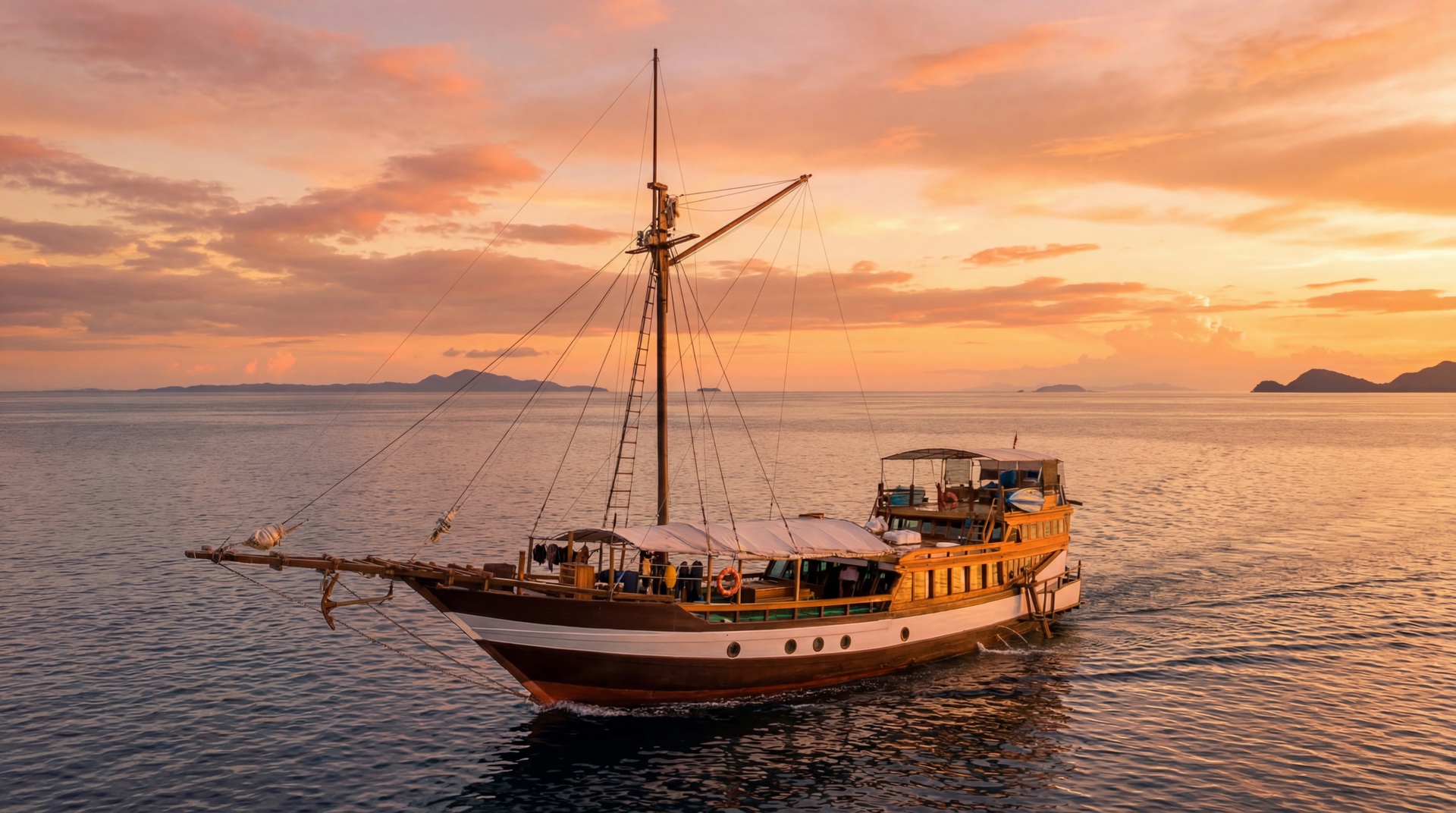
Wellenreng
Indonezja
9 gości25 m
€375/dzień
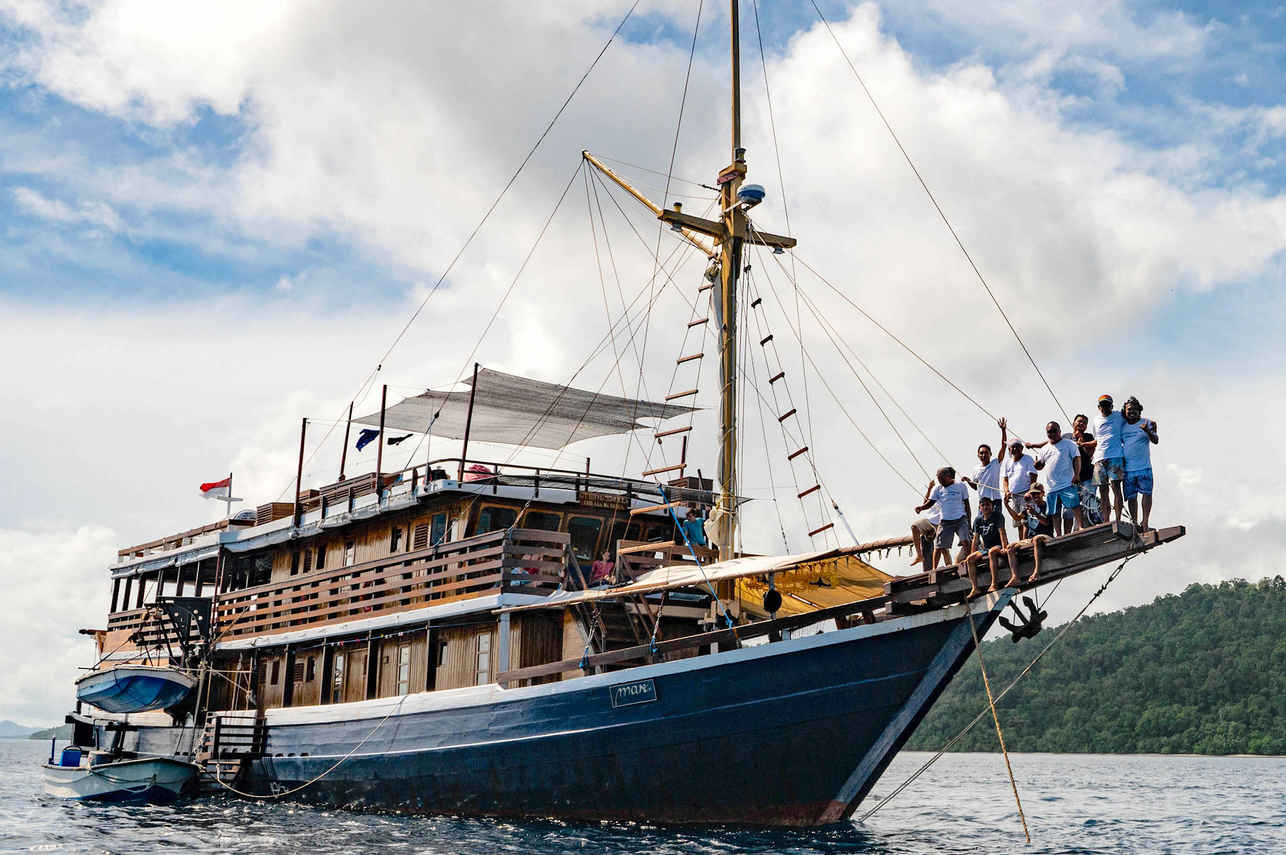
Mari
Indonezja
14 gości32.2 m
€289/dzień
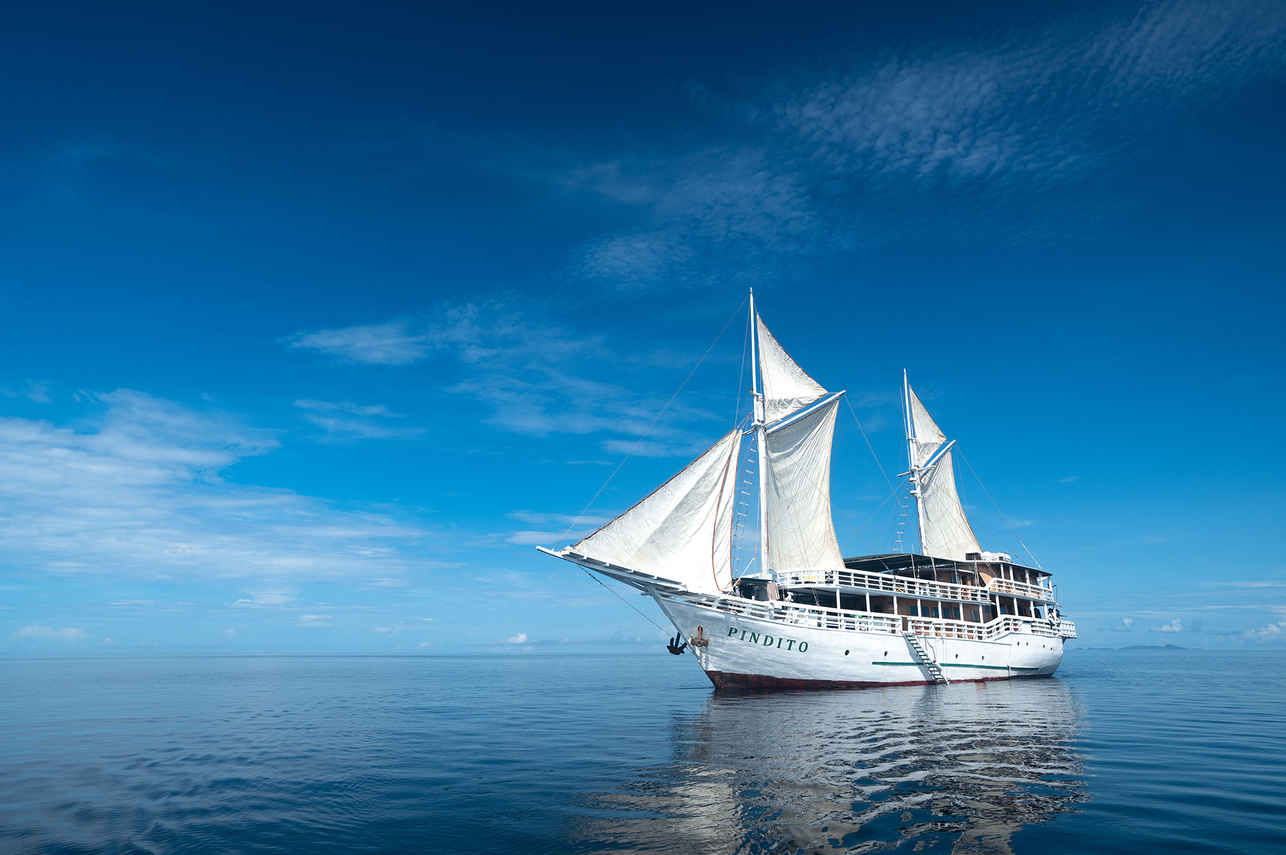
Pindito
Indonezja
16 gości37.79 m
€469/dzień
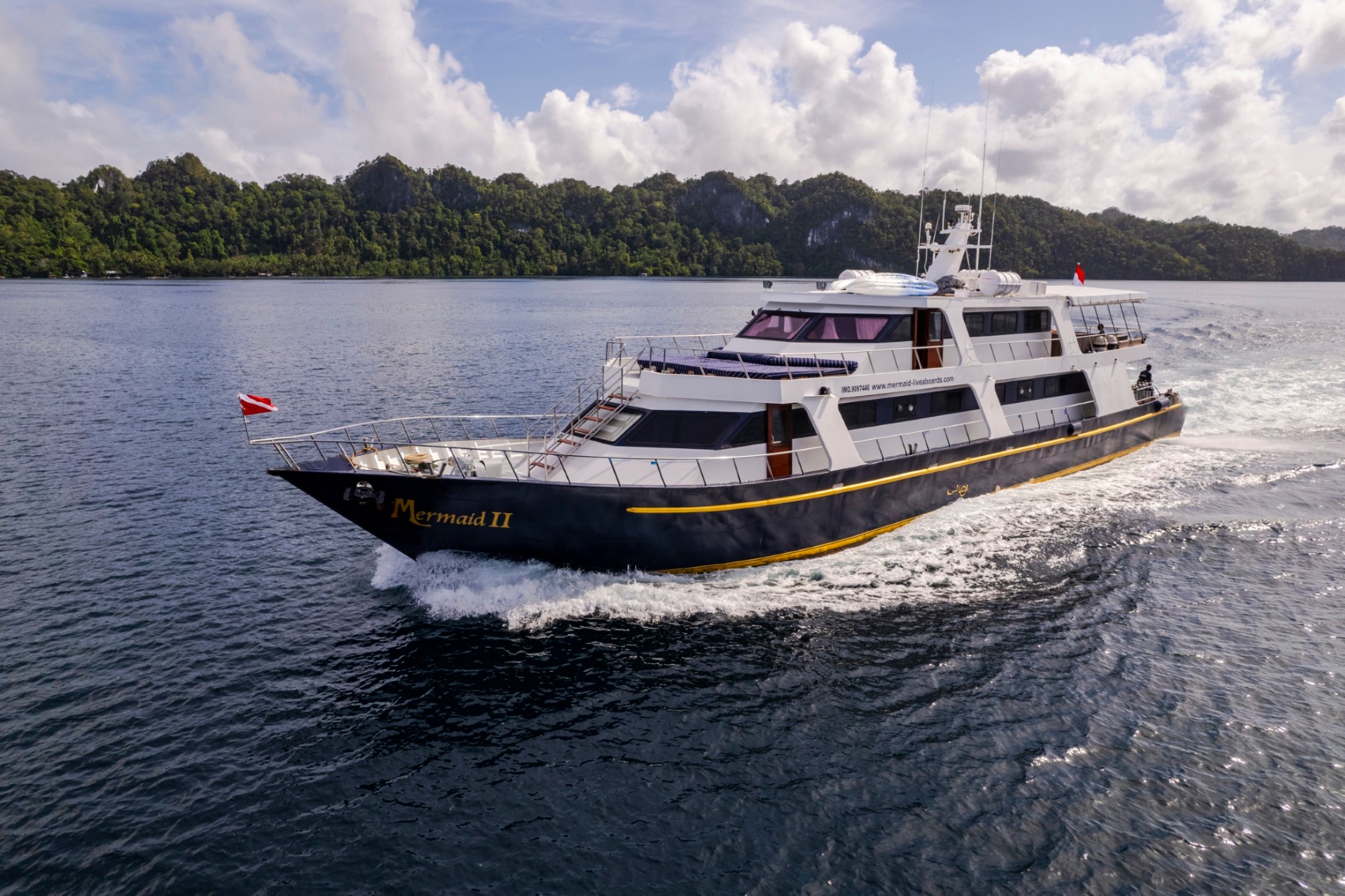
Mermaid II
Komodo
18 gości
€312/dzień
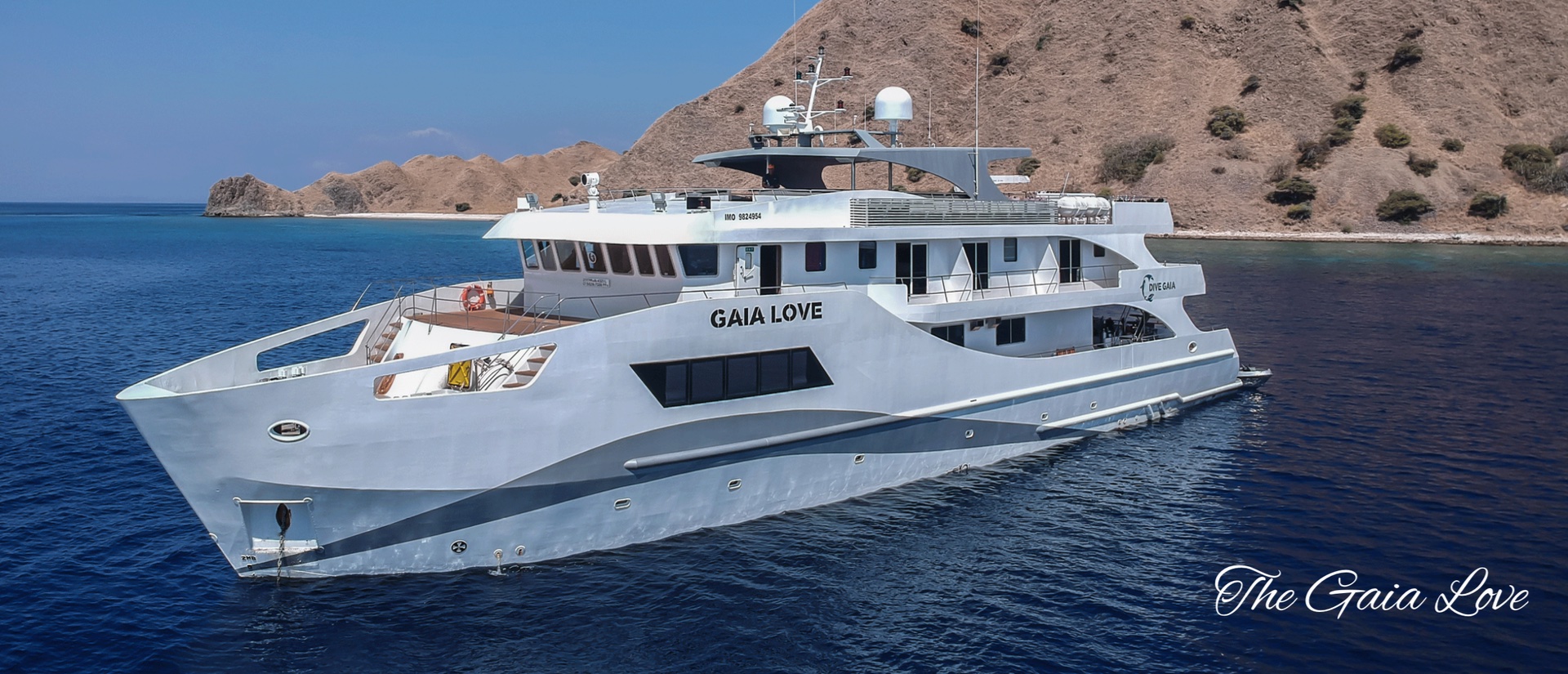
Gaia Love
Alor
20 gości
€487/dzień
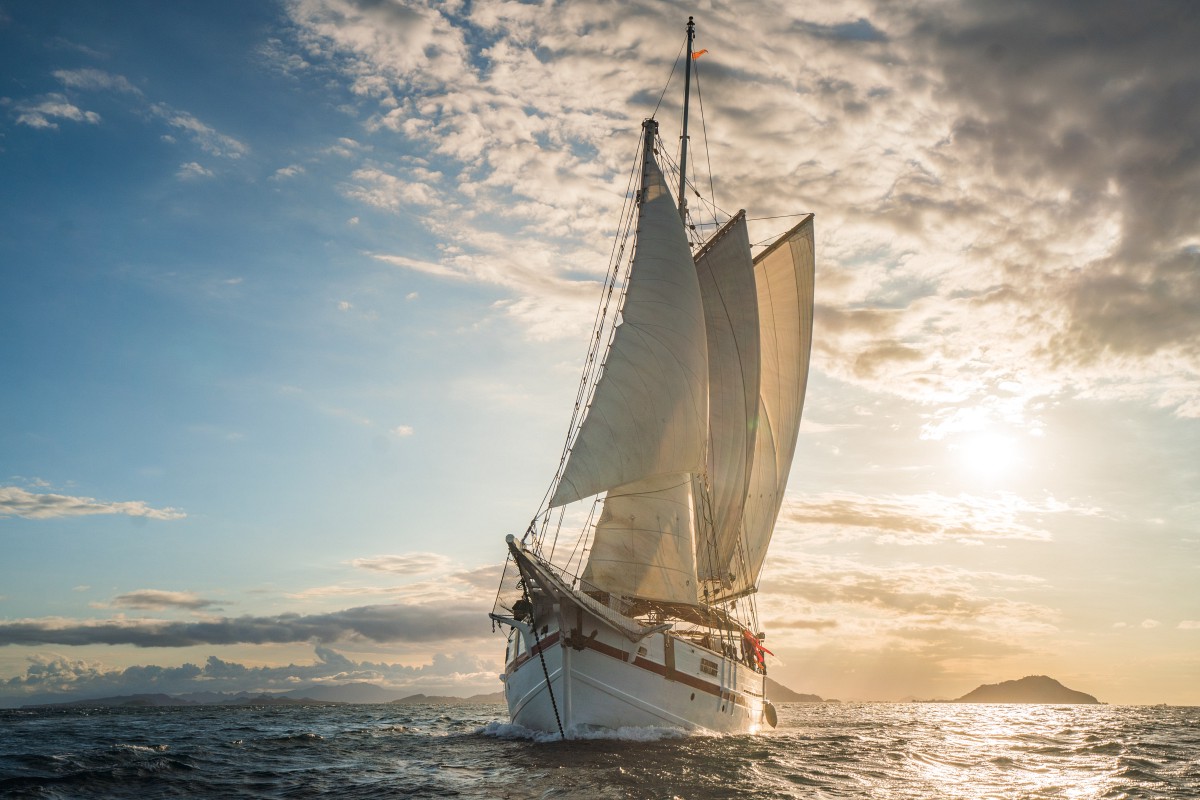
Emperor Raja Laut
Raja Ampat
12 gości31 m
€363/dzień
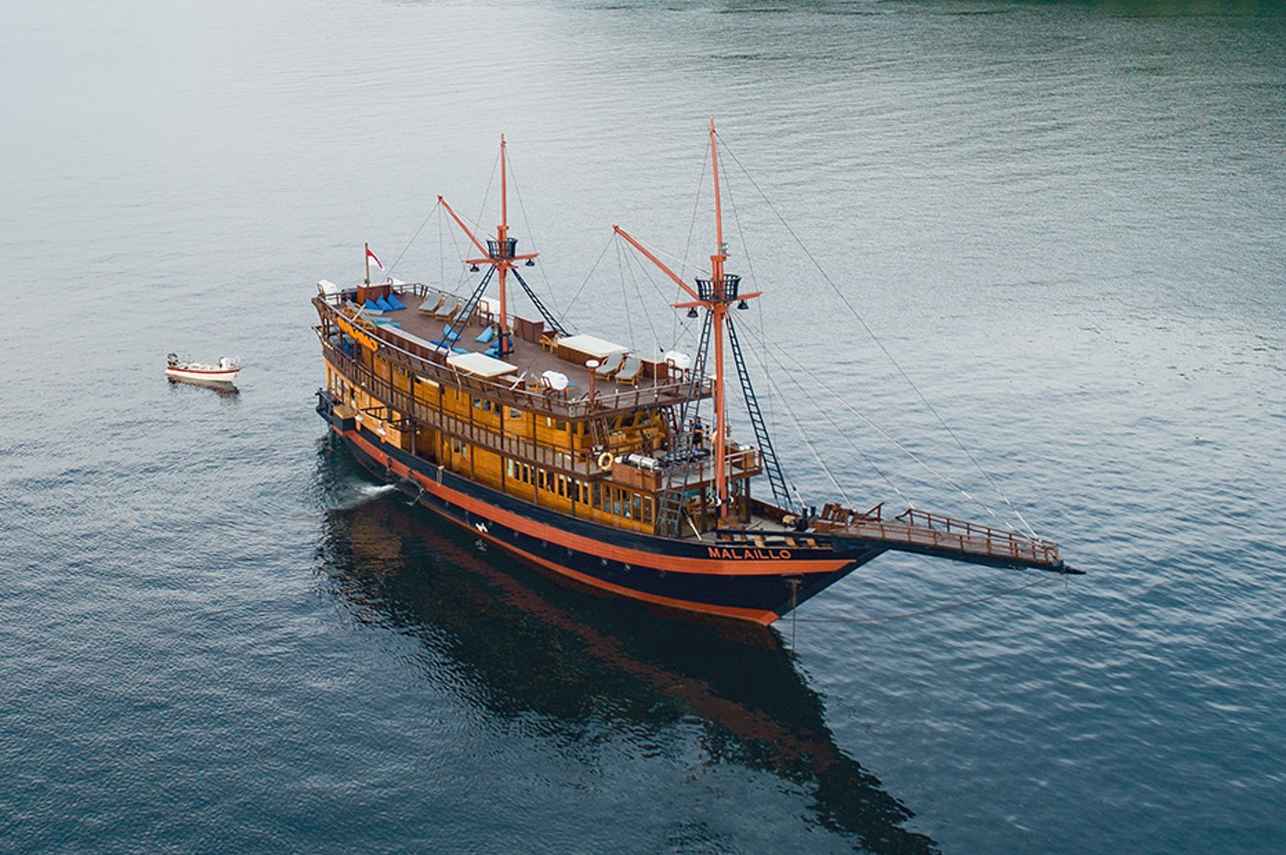
Malaillo
Indonezja
14 gości45.57 m
€306/dzień
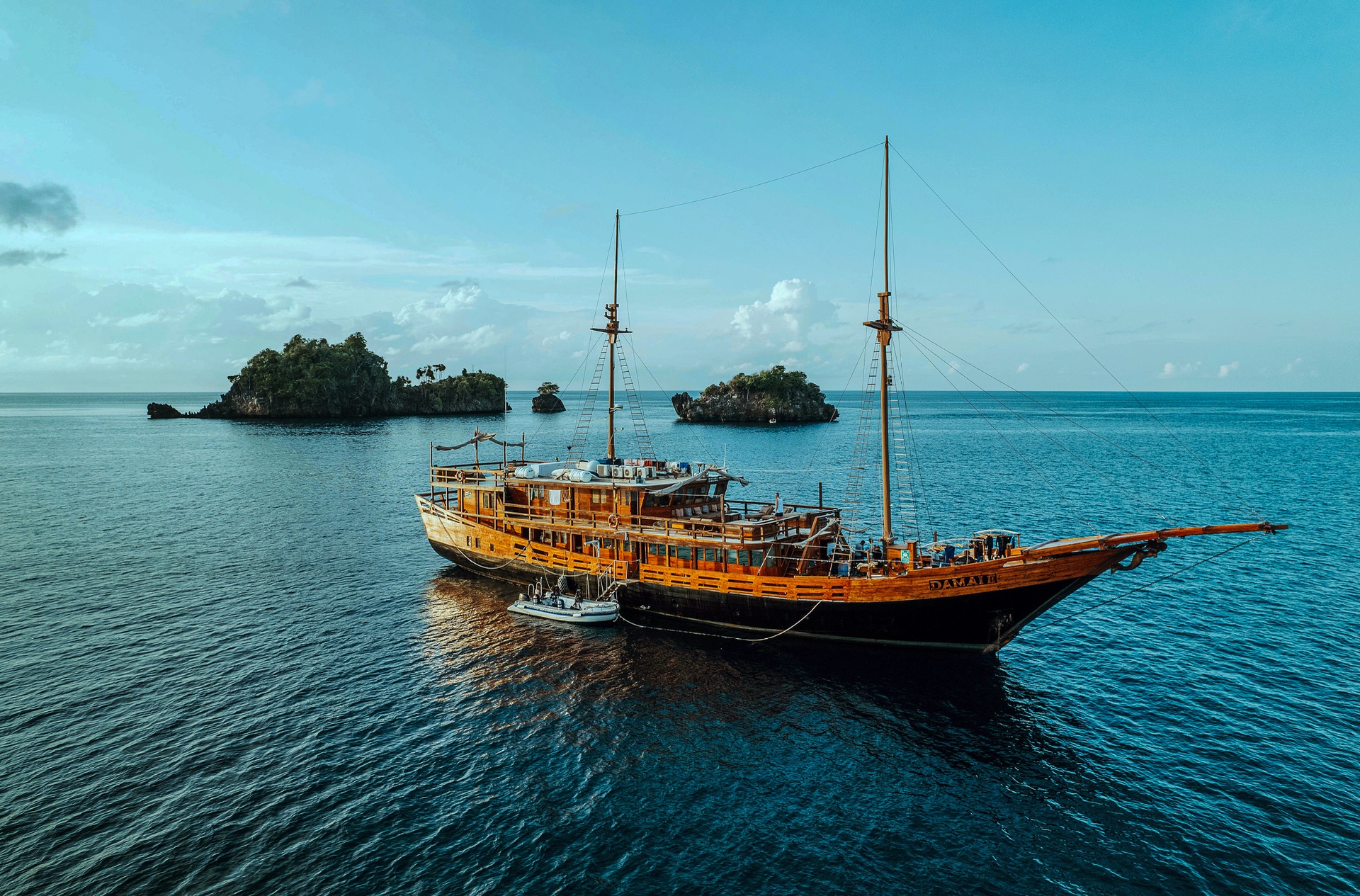
Damai II
Komodo
14 gości
€404/dzień
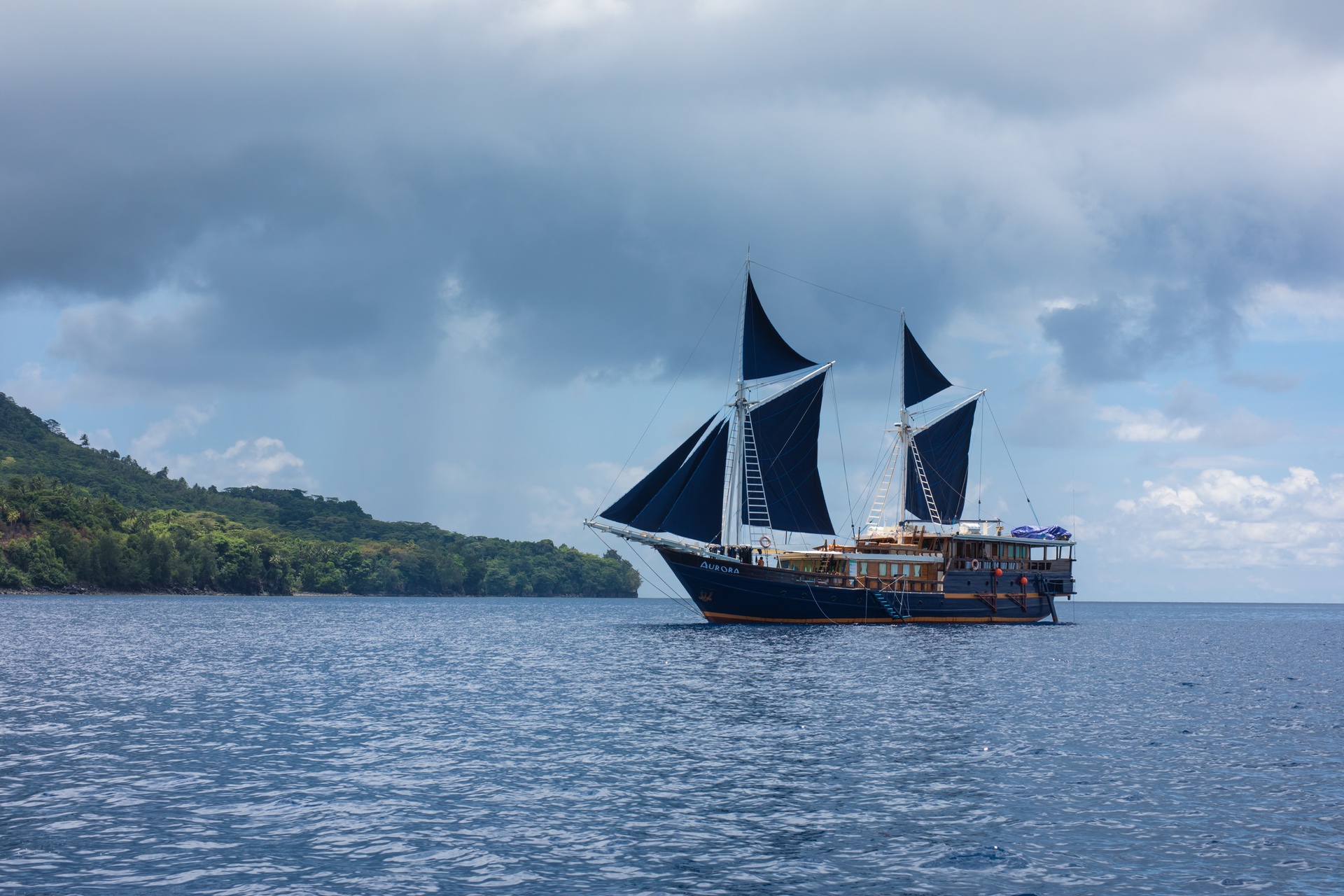
DUNE Aurora
Indonezja
18 gości
€302/dzień
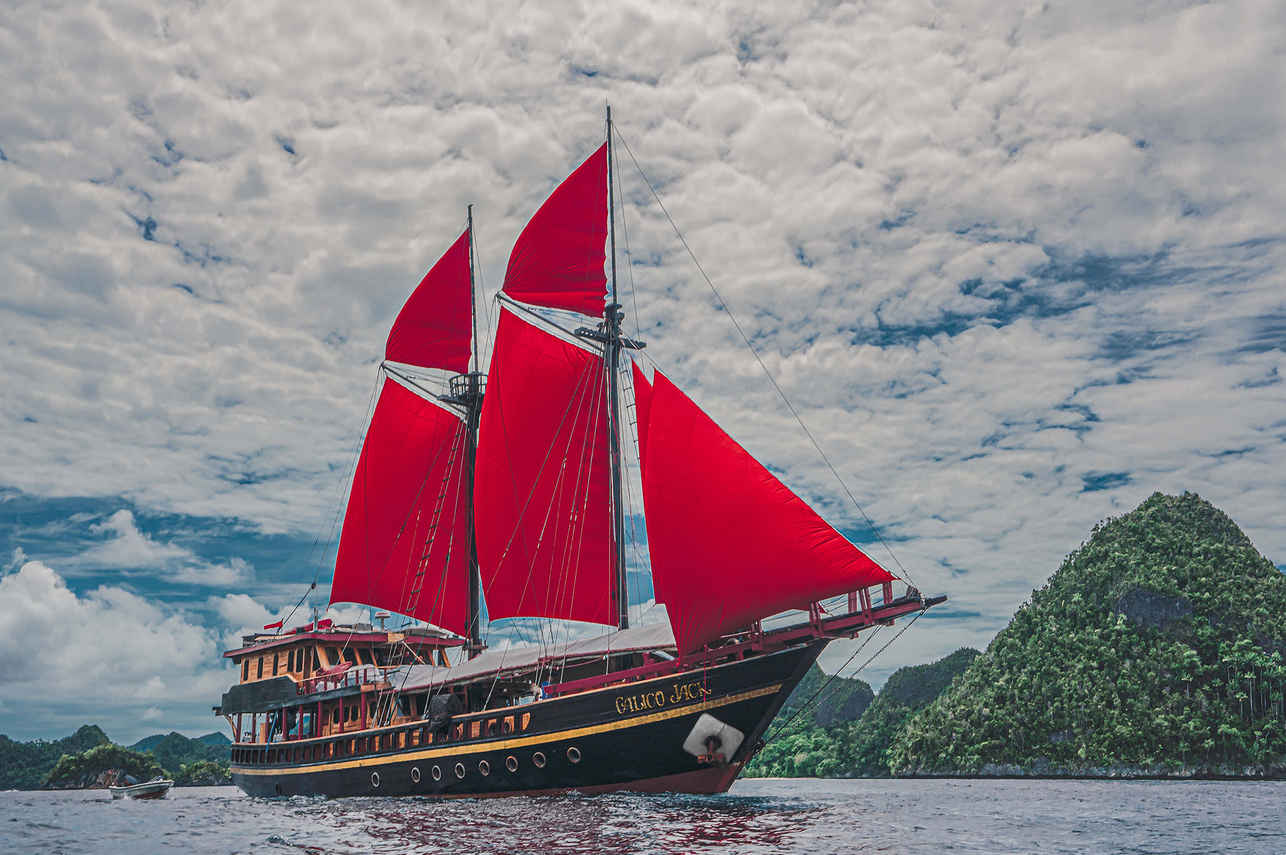
Calico Jack
Indonezja
10 gości30 m
€350/dzień
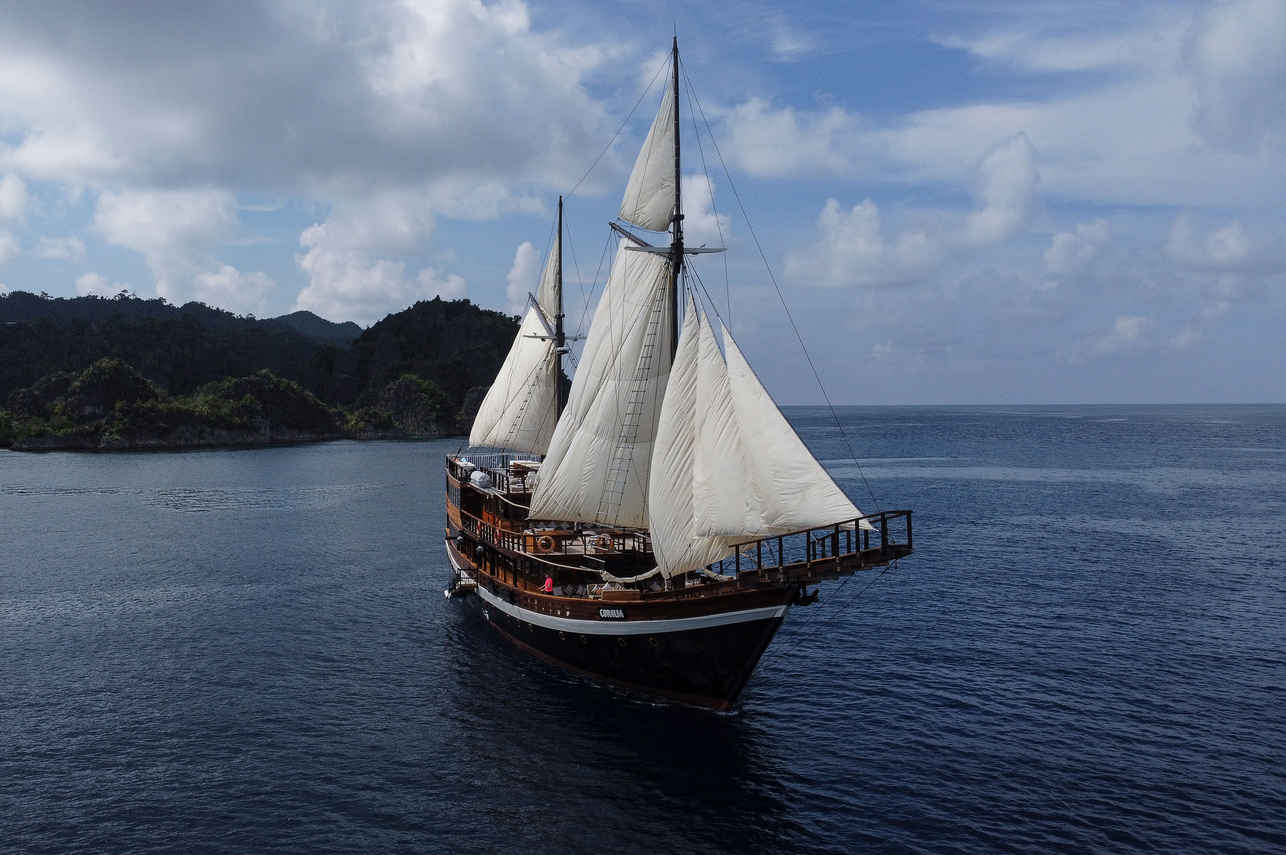
Coralia
Indonezja
16 gości48 m
€507/dzień
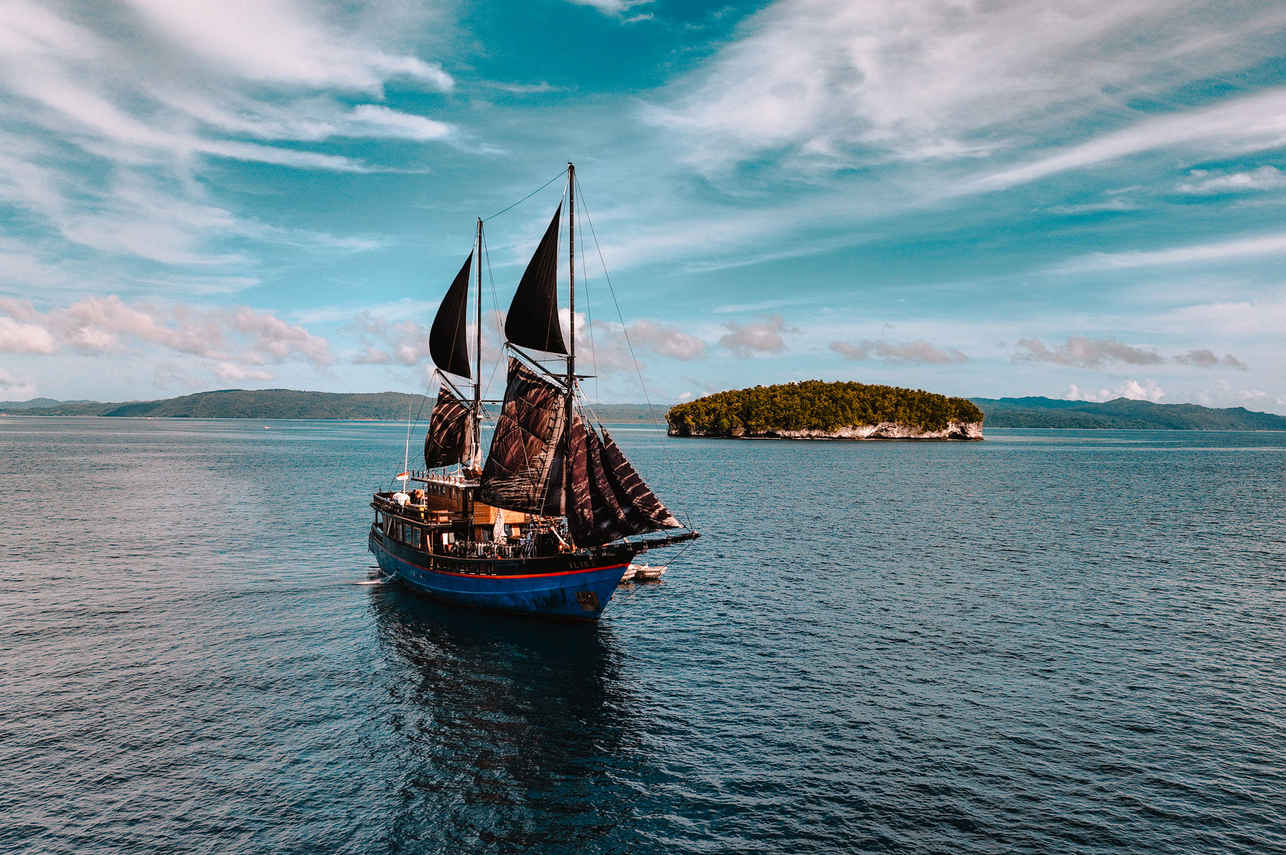
Ilike
Indonezja
16 gości40 m
€262/dzień
Miejsca nurkowe podobne do Skaru Reef
Ten sam charakter, te same wody — sześć miejsc kochanych z tych samych powodów.Porównaj sezony, dostęp i trasy liveaboardów, a następnie wybierz miejsce najlepiej pasujące do Twojej podróży.
© Esri — Maxar, Earthstar, GIS
Cieśnina Patinti
Morze Banda
Cieśnina Patinti, znana również jako Selat Patiente, to słynne miejsce nurkowe położone w Południowej Halmaherze, usytuowane pomiędzy główną wyspą Halmahera a Wyspą Bacan.
- Odpowiednie dla
- Zaawansowany
- Prąd
- Silny
- Dostęp
- Tylko safari nurkowe
- Głębokość
- 5–30 m
- Temat
- Dryf / Rafa
© Esri — Maxar, Earthstar, GIS
Banda Api North
Morze Banda
Banda Api North, położone w odległym zakątku indonezyjskiego Morza Banda, oferuje niezwykłe wrażenia nurkowe ukształtowane przez aktywną wulkaniczną przeszłość.
- Odpowiednie dla
- Średnio zaawansowany
- Prąd
- Silny
- Dostęp
- Tylko safari nurkowe
- Głębokość
- 5–30 m
- Temat
- Rafa
© Esri — Maxar, Earthstar, GIS
Nil Desperandum Atoll
Morze Banda
Atol Nil Desperandum to odizolowana góra podwodna na Morzu Banda, będąca częścią odległego łańcucha „Zapomnianych Wysp”.
- Odpowiednie dla
- Zaawansowany
- Prąd
- Silny
- Dostęp
- Tylko safari nurkowe
- Głębokość
- 20–40 m
- Temat
- Rafa
© Esri — Maxar, Earthstar, GIS
Pohon Miring
Morze Banda
Pohon Miring, położone w pobliżu Banda Neira, to miejsce nurkowe w środkowej grupie Wysp Banda, oferujące wyjątkowe połączenie morskiej bioróżnorodności i dostępności. W…
- Odpowiednie dla
- Początkujący
- Prąd
- Silny
- Dostęp
- Tylko safari nurkowe
- Głębokość
- 3–20 m
- Temat
- Rafa / Góra podwodna
© Esri — Maxar, Earthstar, GIS
Wyspa Dawera
Morze Banda
Wyspa Dawera to urzekające miejsce do nurkowania, położone w Archipelagu Zapomnianych Wysp, odległym łańcuchu wysp na rozległym Morzu Banda w Indonezji.
- Odpowiednie dla
- Zaawansowany
- Prąd
- Umiarkowany
- Dostęp
- Tylko safari nurkowe
- Głębokość
- ≥ 15 m
- Temat
- Rafa / Ściana
Sermata jest częścią Zapomnianych Wysp, długiego łańcucha odległych wysp i atoli w południowym Molukach, w Indonezji, położonych między bogatym w składniki odżywcze Morzem Banda a Morzem Arafura.
- Odpowiednie dla
- Zaawansowany
- Prąd
- Umiarkowany
- Dostęp
- Tylko safari nurkowe
- Głębokość
- 15–40 m
- Temat
- Rafa / Ściana