O Maiuru
Maiuru to kolejne niezwykłe miejsce do nurkowania przy ścianie, położone po północnej stronie Fakaravy, lustrzanie odbijające Ohotu w swoim położeniu względem Przejścia Garuae. To miejsce słynie ze spektakularnych formacji koralowych, które pokrywają ścianę, tworząc tętniące życiem siedlisko dla szerokiej gamy gatunków morskich. Nurkowie często spotykają tu duże ławice ryb, takich jak pokolcowate i barakudy, poruszające się po strukturze rafy. To miejsce jest również doskonałe do obserwacji życia pelagicznego, w tym kilku gatunków rekinów, majestatycznych mant i okazjonalnie delfinów. Będąc blisko Przejścia Garuae, Maiuru korzysta z bogatych prądów, które przyciągają imponującą ilość morskiej różnorodności biologicznej, zapewniając dynamiczne i pełne życia doświadczenia nurkowe. Ciągły pokaz interakcji morskich na tle zdrowej ściany koralowej sprawia, że Maiuru jest atrakcją dla nurków odkrywających Fakaravę. Jest szczególnie odpowiednie dla średniozaawansowanych nurków, którzy cenią sobie tętniące życiem środowisko rafowe i możliwość spotkania różnorodnych zwierząt morskich.
Najważniejsze
Imponujące ściany koraloweObfite ławice rybSpotkania z rekinami i mantamiMożliwość spotkania delfinówTętniący życiem ekosystem rafowy
Kalendarz sezonów
Najlepsze miesiące na nurkowanie
Sty
Lut
Mar
Kwi
Maj
Cze
Lip
Sie
Wrz
Paź
Lis
Gru
Doskonały
Dobry
Fakty o dive site: Maiuru
- Głębokość
- 18–30 m
- Prąd
- Silny
- Widoczność
- 30–40 m, Doskonała
- Temperatura wody
- 26–29°C (79–84°F)
- Wejście do wody
- Łódź
- Poziom
- Doświadczeni nurkowie zalecane
- Rodzaj nurkowania
- Nurkowanie dryfowe, Ściana, Pelagiczne, Ogród koralowy
- Region / port
- Fakarava, Tuamotu Archipelago
- Współrzędne
- -16.295, -145.454
Warunki i prądy
Mogą tu występować umiarkowane prądy, więc zaplanuj wejścia dryftowe i trzymaj się blisko grupy. Przewodnicy zazwyczaj oceniają ruch wody tutaj jako umiarkowany prąd. Profile nurkowe tutaj wahają się od około 18 do 30 metrów, więc zaplanuj zużycie gazu i limity bezdekompresyjne, biorąc pod uwagę głębszą część miejsca. Zazwyczaj jest to nurkowanie dla nurków średniozaawansowany. Miejsce jest dostępne z łodzi-hotelu (liveaboard), więc wejścia odbywają się z pontonu lub bezpośrednio z rufowego pokładu. Pływy, wiatr i pora roku zmieniają sytuację z dnia na dzień, więc odprawa załogi na łodzi zawsze ma pierwszeństwo przed jakimkolwiek ogólnym opisem.
Życie morskie i szanse na spotkanie
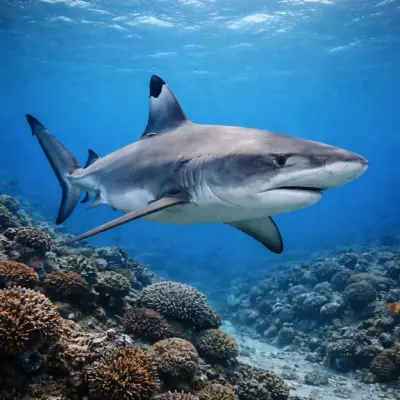
Grey Reef Shark
Year-round, peak June/July · często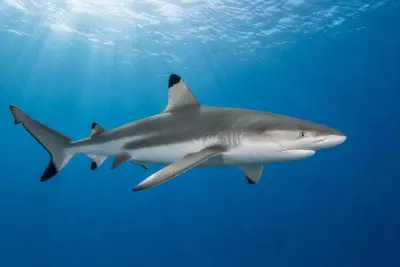
Blacktip Shark
często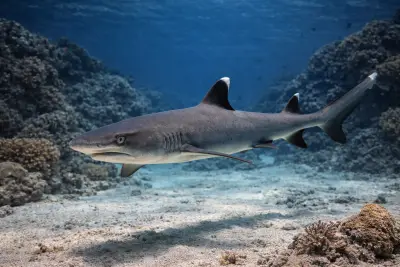
White-tip Shark
często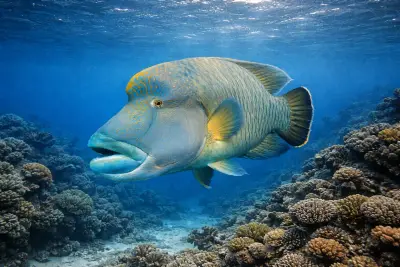
Napoleon Wrasse
czasami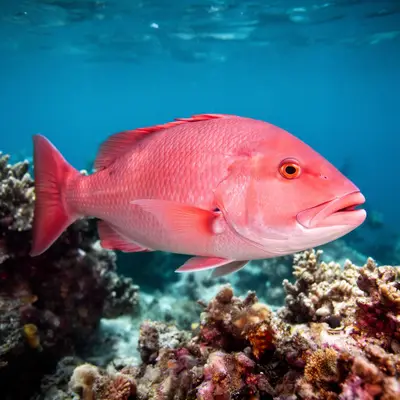
Paddletail Snapper
często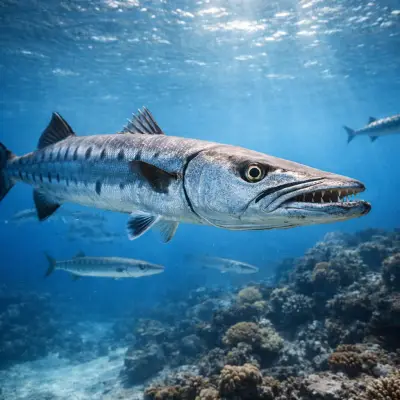
Barracuda
często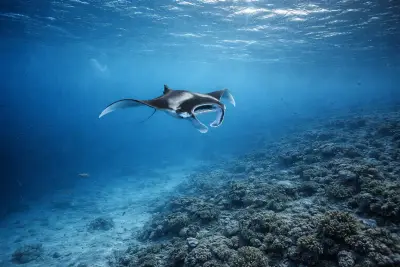
Manta Ray
July-September · czasami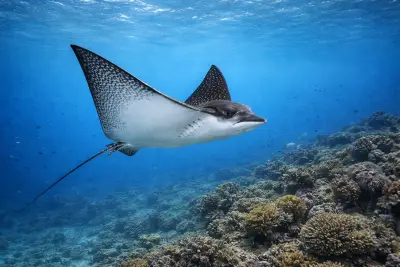
Eagle Ray
czasami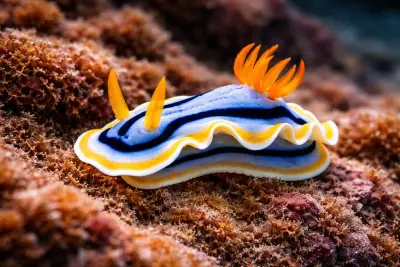
Nudibranch
czasami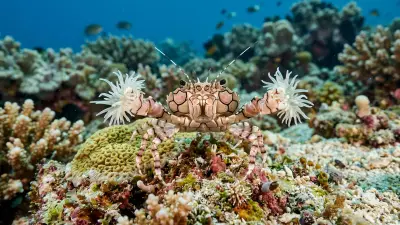
Crab
czasami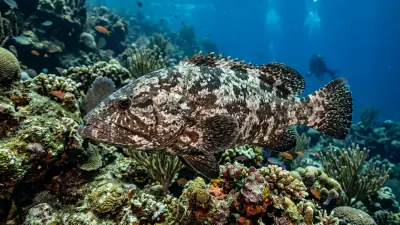
Marbled Grouper
Mid-June to Early July · czasami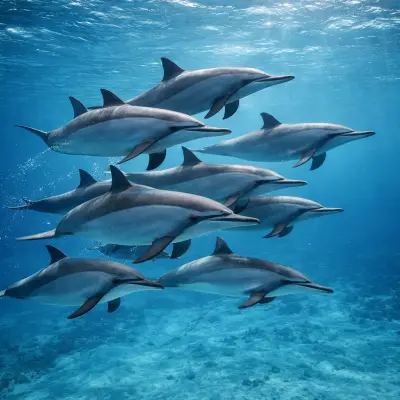
Dolphin
czasamiProfil i przebieg nurkowania
Dives at Maiuru commence with a boat entry onto the submerged plateau, located on the outer edge of the Garuae Pass. You typically begin your descent to about 18 meters, where the plateau levels into a vibrant hard coral garden. Divers will drift with the prevailing incoming current, which can be swift, providing an exhilarating sense of flight. Along the drop-off at the outer edge, you can anticipate significant shark activity, including walls of grey reef sharks. The dive progresses over this coral garden, allowing observation of smaller reef inhabitants like nudibranchs and crabs, as well as large schools of paddletail snapper and barracuda. Manta rays and eagle rays are also known to visit cleaning stations here. As the drift continues, you transition from the ocean currents towards the calmer waters inside the lagoon. The dive often concludes deeper inside the lagoon or at a designated pick-up point, ensuring a safe exit after experiencing the full dynamic flow of the pass. Safety stops are conducted in the gentler current areas towards the end of the drift, typically at shallower depths.
Fotografia podwodna
Maiuru offers excellent opportunities for wide-angle photography, especially for capturing the dynamic shark activity at the outer drop-off and the vast schools of fish. A fisheye lens is ideal for close encounters with larger subjects, though be prepared for subjects to be just out of optimal framing range at times. When shooting with a fisheye, patience is key to allow sharks and rays to approach closely enough to fill the frame effectively. For capturing the vibrant hard coral gardens and smaller macro subjects like nudibranchs and crabs on the plateau, a standard wide-angle or macro lens would be suitable depending on your focus. Strong strobes are essential to properly light subjects, especially in the clear but often deep waters, and to bring out the true colors of the corals and fish. Due to strong currents, maintaining good buoyancy is crucial for stable shots and to avoid contact with the delicate coral.
Połącz z tymi miejscówkami
- Alibaba
A giant aquarium at the end of a Garuae Pass drift
- Ohotu
A coral wall on the opposite side of Garuae Pass with similar pelagic encounters
- Pufana
A calm lagoon dive site ideal for beginners, with beautiful corals and fish
- Garuae Pass
The main channel itself, known for strong drift dives and pelagic action
- Passe Tumakohua
The smaller South Pass of Fakarava, famous for massive grouper spawning and shark aggregations
Dojazd i logistyka
Access to Maiuru is typically via liveaboard or local day boats from Fakarava, as it is situated in the Garuae Pass. Fakarava is part of the Tuamotu Archipelago in French Polynesia. To reach Fakarava, international flights land in Tahiti (PPT), often from Paris (PAR) or Los Angeles (LAX). From Tahiti, Air Tahiti operates domestic flights to Fakarava (FAV) two to three times per week. Multi-island passes, such as Air Tahiti's "Lagons pass," can be cost-effective if combining Fakarava with other atolls. Liveaboard trips in Fakarava usually last 7 nights, offering a comprehensive exploration of the atoll's dive sites. Booking liveaboards or land-based dive packages well in advance, especially for peak seasons like the June/July grouper spawning, is highly recommended due to limited availability. Diving permits are generally managed by the dive operators as part of the tour package.
Bezpieczeństwo i środowisko
Diving at Maiuru, due to its strong currents, requires a high level of dive experience and excellent buoyancy control. Divers must adhere strictly to dive guides' briefings and instructions, especially regarding entry, drift trajectories, and safety stop procedures. In French Polynesia, strict dive safety regulations are in place, particularly for current-swept passes. Depths are generally limited to around 30 meters unless divers hold advanced qualifications. Emergency evacuation in Fakarava would involve air transport to Tahiti, where the nearest recompression chamber is located. Divers should ensure they have comprehensive dive insurance that covers medical emergencies, evacuation, and recompression treatment. Site-specific hazards include variable current strengths, potential for strong downcurrents, and boat traffic within the pass. A no-touch, no-chase approach to marine life is essential for safety and conservation.
Dla kogo — a dla kogo nie
Odpowiednie dla
- Experienced divers comfortable with strong currents
- Pelagic enthusiasts seeking shark and ray encounters
- Underwater photographers focusing on wide-angle scenes
- Divers interested in diverse reef topography
- Liveaboard guests exploring Fakarava's passes
Mniej odpowiednie dla
- Beginner divers or those new to drift diving
- Divers with poor buoyancy control
- Individuals prone to seasickness in strong currents
- Divers seeking purely calm, shallow reef dives
- Those without comprehensive dive insurance
Częste pytania
Maiuru — najczęstsze pytania
What kind of currents can I expect at Maiuru?
Maiuru is known for its strong, exhilarating currents, making it primarily a drift dive site. Dives are typically planned to coincide with the incoming tide, providing a fast-paced 'flying' experience. Divers must be prepared for variable current strengths and possess excellent buoyancy control to navigate the site safely and enjoyably.
What marine life is commonly seen at Maiuru?
You can expect to encounter a rich variety of marine life at Maiuru. Common sightings include numerous Grey Reef Sharks, Blacktip Sharks, and White-tip Sharks, especially near the outer drop-off. Large schools of barracuda and paddletail snapper are also prevalent, and occasional sightings of Napoleon Wrasse, Manta Rays, and Eagle Rays are possible as they visit cleaning stations.
What is the best time of year to dive Maiuru for shark activity?
While sharks are present year-round, the peak season for dramatic shark aggregations at Maiuru and other Fakarava pass sites is typically from June to July. This coincides with the marbled grouper spawning event, which draws hundreds of sharks to the pass, offering an unparalleled spectacle for divers.
Is Maiuru suitable for beginner divers?
Maiuru is generally not recommended for beginner divers due to the very strong and sometimes unpredictable currents. The site is best suited for experienced divers who are comfortable with drift diving and have excellent buoyancy control. There are other, calmer lagoon sites in Fakarava, like Pufana, that are more appropriate for less experienced divers.
How deep are the dives at Maiuru?
Dives at Maiuru typically involve descending to a submerged plateau that levels out around 18 meters. The maximum depth commonly reached during dives along the wall or at the drop-off can extend up to approximately 30 meters. Dive depths are also subject to local regulations and the diver's certification level.
How do liveaboards incorporate Maiuru into their itineraries?
Liveaboards exploring Fakarava, such as the French Polynesia Master, often include Maiuru as a key dive site within their 7-night itineraries. It's typically dived in conjunction with other Garuae Pass sites like Ohotu and Alibaba, often as part of a two-tank morning dive schedule that maximizes drift conditions and pelagic encounters.
Dlaczego nurkować Maiuru z liveaboardu?
Maiuru to jedno z ikonicznych miejsc nurkowych w Polinezja Francuska. Liveaboard zapewnia nocleg na wodzie i 3–4 prowadzone nurkowania dziennie, w tym świtowe i nocne, których łodzie dzienne rzadko oferują. Unikasz codziennego powrotu do portu i w jednej podróży docierasz do spokojniejszych miejsc w tym samym regionie.
Poniżej liveaboardy, które uwzględniają Maiuru w swoich trasach po Polinezja Francuska.
Liveaboardy do Maiuru
Te safari nurkowe mogą odwiedzać Maiuru na wybranych trasach — konkretne miejsca zależą od terminu, pogody i warunków.
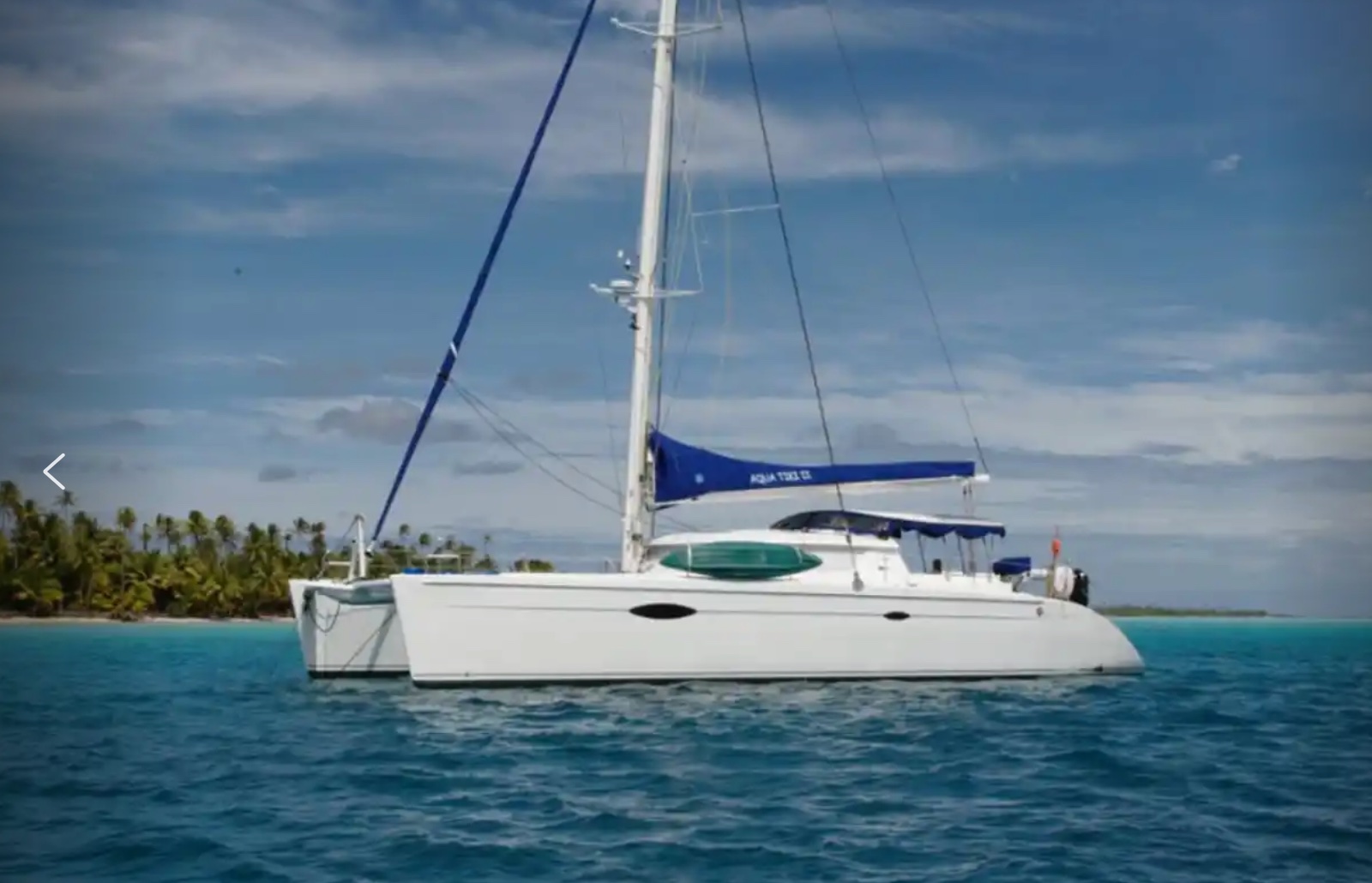
Aqua Tiki II
Polinezja Francuska
8 gości
€509/dzień
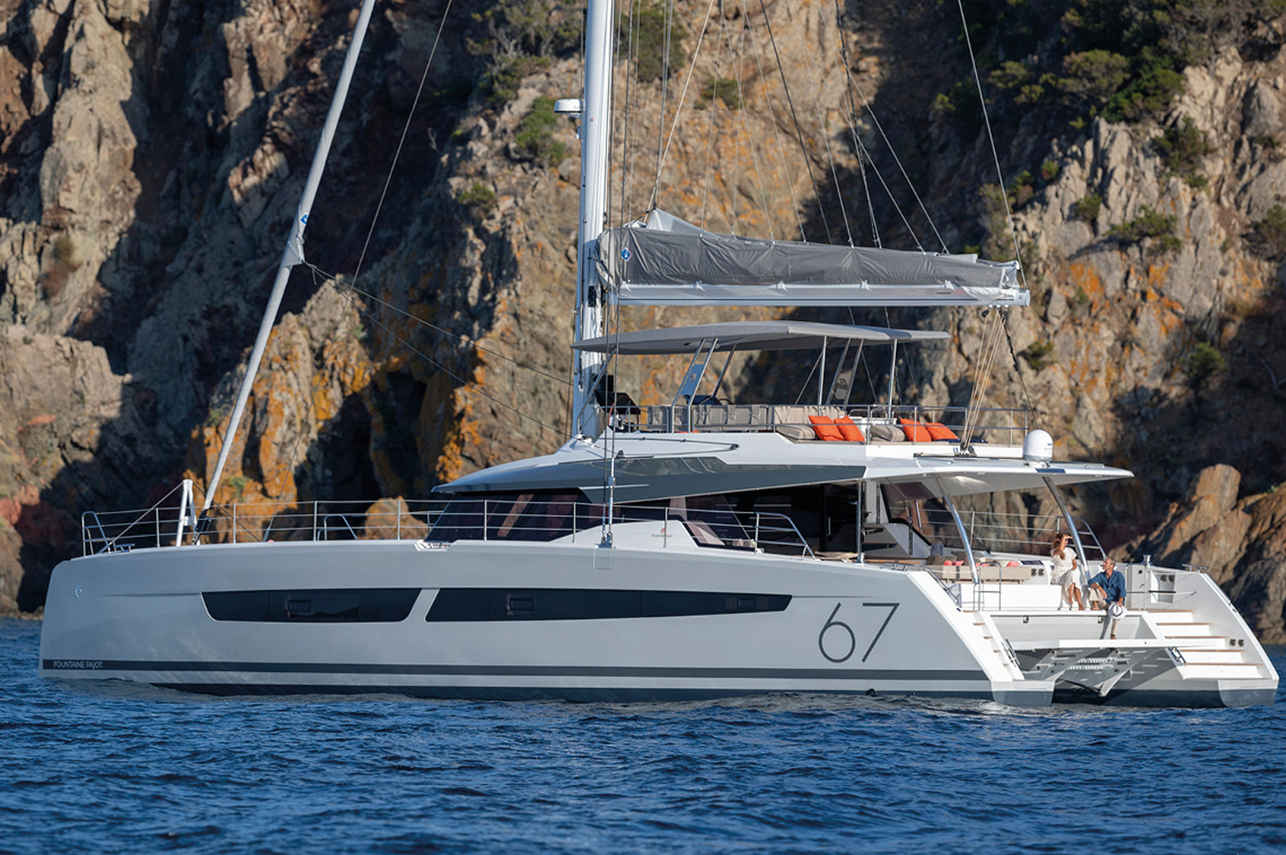
Aqua Tiki III
Polinezja Francuska
10 gości20 m
€444/dzień
Miejsca nurkowe podobne do Maiuru
Ten sam charakter, te same wody — sześć miejsc kochanych z tych samych powodów.Porównaj sezony, dostęp i trasy liveaboardów, a następnie wybierz miejsce najlepiej pasujące do Twojej podróży.
© Esri — Maxar, Earthstar, GIS
Fakarava - Rafa Ohotu
Polinezja Francuska
Rafa Ohotu, położona w ogromnej Przejściu Garuae na Fakaravie, to czołowe miejsce do nurkowania w Rezerwacie Biosfery UNESCO Polinezji Francuskiej.
- Odpowiednie dla
- Zaawansowany
- Prąd
- Silny
- Dostęp
- Safari lub łódź dzienna
- Głębokość
- 5–18 m
- Temat
- Dryf / Rafa
© Esri — Maxar, Earthstar, GIS
Moorea - Ray Corridor
Polinezja Francuska
Ray Corridor na Moorea oferuje ekscytujące nurkowanie w dryfie wewnątrz naturalnej laguny, co czyni je ulubionym miejscem nurków szukających dynamicznych spotkań pod wodą.
- Odpowiednie dla
- Początkujący
- Prąd
- Umiarkowany
- Dostęp
- Safari lub łódź dzienna
- Głębokość
- 3–12 m
- Temat
- Dryf / Rafa
Taotoi, położone w Moorea na Polinezji Francuskiej, jest powszechnie uznawane za wiodące miejsce dla nurków poszukujących dostępnego, a jednocześnie tętniącego życiem podwodnego doświadczenia.
- Odpowiednie dla
- Początkujący
- Prąd
- Słaby
- Dostęp
- Łódź dzienna
- Głębokość
- 9–19 m
- Temat
- Rafa
Wiatrak to znane miejsce nurkowe, położone w rozległej Przejściu Tiputa na Rangiroa, po prawej stronie zbocza od strony oceanu.
- Odpowiednie dla
- Średnio zaawansowany
- Prąd
- Umiarkowany
- Dostęp
- Safari lub łódź dzienna
- Głębokość
- 25–26 m
- Temat
- Rafa
Alibaba to słynne nurkowanie w dryfie, zlokalizowane w obrębie Przejścia Garuae w północnej Fakaravie, Rezerwacie Biosfery UNESCO na archipelagu Tuamotu.
- Odpowiednie dla
- Średnio zaawansowany
- Prąd
- Silny
- Dostęp
- Tylko safari nurkowe
- Głębokość
- 5–30 m
- Temat
- Rafa
Przejście to zaawansowane miejsce nurkowe położone w słynnej Przełęczy Tiputa na Rangiroa, przeznaczone dla bardzo doświadczonych nurków. Ten unikalny profil polega na rozpoczęciu…
- Odpowiednie dla
- Ekspert
- Prąd
- Bardzo silny
- Dostęp
- Safari lub łódź dzienna
- Głębokość
- 50–50 m
- Temat
- Rafa