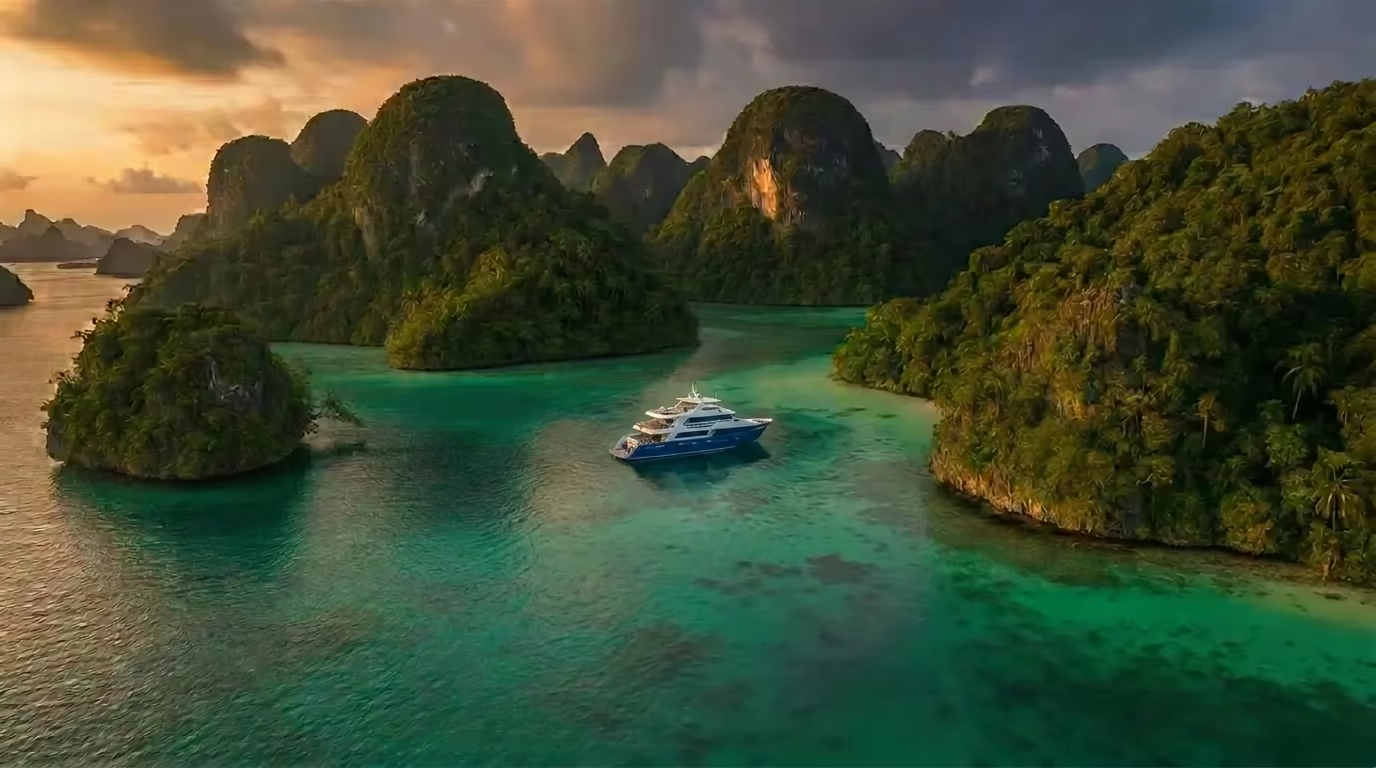
Tiare Cruise · Indonesia · 8D/7N
पहला दिन: लाबुआन बाजो में टियारे पर सवार होने के बाद, आप नाव का भ्रमण करेंगे और नाव पर ही नाश्ता करेंगे। सबोलान केसिल की ओर रवाना होकर, आप दोपहर में डाइविंग करेंगे और फिर सेबायुर द्वीप पर मिनी वॉल पर रात्रि डाइविंग के लिए आगे बढ़ेंगे। दूसरा से छठा दिन: हम प्रतिदिन 3-4 डाइविंग सत्र आयोजित करते हैं, जिनमें संभव होने पर रात्रि डाइविंग भी शामिल है। सीमा पार करते समय, प्रतिदिन केवल 2 डाइविंग सत्र ही निर्धारित किए जा सकते हैं। आप गिली लावा लाउट के पास कुछ चुनौतीपूर्ण डाइविंग स्थलों पर डाइविंग करेंगे। क्रिस्टल रॉक (इसका नाम क्रिस्टल जैसे नीले पानी से बाहर निकली चट्टान के नाम पर रखा गया है) और कैसल रॉक, दोनों में ही स्वस्थ मूंगों की एक विस्तृत विविधता और समुद्री जीवन की एक प्रभावशाली श्रृंखला पाई जाती है। कॉल्ड्रॉन (जिसे कभी-कभी शॉटगन भी कहा जाता है) और गिली लावा लाउट लाइटहाउस इस क्षेत्र के दो अन्य रोमांचक डाइविंग स्थल हैं, जहाँ शाम या रात में डाइविंग की जा सकती है। यहाँ आपको मगरमच्छ मछली, लायनफिश, कभी-कभी ईगल रे और रीफ शार्क, और यहाँ तक कि मंटा रे भी देखने को मिल सकती हैं। आप कोमोडो द्वीप के पास गोताखोरी करेंगे, जहाँ धाराएँ काफी तेज़ हो सकती हैं। गोताखोरी का समय ज्वार-भाटे और मौसम की स्थिति के अनुसार तय करना आवश्यक है, इसलिए आप कई गोताखोरी स्थलों पर जा सकते हैं। ताकात मकासर रीफ, बाटू बोलोंग और टाटावा केसिल सभी बेहद खूबसूरत गोताखोरी स्थल हैं, जहाँ कोमल और कठोर मूंगे पाए जाते हैं। आपको उथले रीफ से लेकर घाटियों और गुफाओं तक, विभिन्न वातावरणों में सफेद और काले सिरे वाली रीफ शार्क, मंटा रे, कछुए, विशाल ट्रेवली और स्नैपर देखने का मौका मिलेगा। पुलाऊ सेबायुर में मिनी वॉल पर रात में गोताखोरी करें, जहाँ आपको लीफफिश, घोस्ट पाइपफिश और नुडिब्रांच देखने को मिल सकते हैं। मनमोहक मंटा रीफ (करांग मकासर) और शानदार बाटू बोलोंग पर गोताखोरी करें, जहाँ आपको बड़ी संख्या में मूंगे और उष्णकटिबंधीय मछलियाँ देखने को मिलेंगी। नुडिब्रांच, फ्रॉगफिश और रीफ शार्क और बम्पहेड पैरटफिश जैसे बड़े समुद्री जीव देखने की उम्मीद कर सकते हैं। दिन का आपका तीसरा डाइव पादर में नाइट डाइव होगा। इन जगहों पर पानी का तापमान लगभग 20° सेल्सियस तक गिर सकता है, इसलिए ठंडे पानी में डाइव के लिए तैयार रहें। नुसा कोडे द्वीप के पास डाइव करें, जहाँ आपको द्वीपसमूह के कुछ सबसे अद्भुत समुद्री जीव देखने को मिलेंगे। और अन्य शानदार डाइव साइट्स पर भी डाइव करें। दिन 7: मेहमानों की उड़ान के समय के अनुसार सुबह 2 डाइव। इतने सारे शानदार डाइव के बाद, अब समय है अपने प्राकृतिक आवास में शानदार कोमोडो ड्रैगन्स से मिलने का। नाव पर वापस जाने और रात भर लाबुआन बाजो के लिए रवाना होने से पहले द्वीप का भ्रमण करें। दिन 8: दुर्भाग्य से, हमारी यात्रा समाप्त हो गई है और हमें अलविदा कहना होगा, लेकिन हम आशा करते हैं कि आपसे जल्द ही फिर मिलेंगे! समुद्री जीव: बम्पहेड पैरटफिश, बैम्बू शार्क, मार्बल रे, न्यूडिब्रांच, डस्की शार्क, जॉफिश, बबल कोरल श्रिम्प, लीफ फिश, पोर्सिलेन क्रैब, पिग्मी सीहॉर्स, बैराकुडा, ट्रेवली और मैकेरल मछलियों के झुंड, व्हाइट टिप, ब्लैक टिप, ग्रे रीफ शार्क, कछुए, ऑक्टोपस, फ्रॉगफिश, मंटा रे, डुगोंग, बैंडेड पाइपफिश, मैंडरिन फिश, वंडरपस, इंडियन वॉकमैन। सभी गंतव्यों के लिए चेक-इन का समय दोपहर 12 बजे है। लेकिन कुछ प्रस्थान बिंदुओं के लिए सीमित उड़ानों के कारण, यदि आप सुबह 6 बजे से जल्दी पहुंचते हैं, तो हमारा दल आपको सीधे नाव तक ले जाएगा। सामान्य परिस्थितियों में, नाव दोपहर 2 बजे तक प्रस्थान के लिए तैयार हो जाती है क्योंकि अतिथि के आगमन से पहले क्लीयरेंस प्रक्रिया पूरी हो जाती है। हालांकि, यह हार्बर मास्टर पर निर्भर हो सकता है। हार्बर मास्टर के निर्णय के कारण अप्रत्याशित परिस्थितियों में प्रस्थान में देरी हो सकती है। चेक-आउट का समय सुबह 9 बजे है। कृपया सुबह 9 बजे से पहले प्रस्थान करने वाली घरेलू उड़ान बुक करने से पहले हमसे संपर्क करें। सभी प्रमाणपत्र धारकों का स्वागत है। प्रत्येक ट्रिप में हमारे साथ 3-4 डाइव गाइड होते हैं और हम मेहमानों के डाइविंग अनुभव के आधार पर डाइविंग को विभाजित करते हैं ताकि हर कोई पानी के नीचे अपने समय का आनंद ले सके, चाहे आप नौसिखिए हों या हजारों डाइव का अनुभव रखने वाले अनुभवी गोताखोर। अंतिम डाइव ट्रिप के अंतिम दिन से एक दिन पहले होगी। गोताखोरों को अंतिम डाइव के बाद उड़ान भरने से पहले 24 घंटे इंतजार करने की सलाह दी जाती है। नमूना यात्रा कार्यक्रम और मानचित्र केवल उदाहरण के लिए हैं। स्थानीय नियमों, मेहमानों के अनुभव, मौसम और व्यवस्था के आधार पर सटीक मार्ग और देखे जाने वाले स्थानों में परिवर्तन हो सकता है, और यह कप्तान के विवेक पर निर्भर करता है।
After boarding Tiaré in Labuan Bajo, you will enjoy a tour of the boat and settle in with breakfast on the boat. Sailing to Sabolan Kecil, you will have an afternoon dive before moving on to Sebayur Island for a night dive at the mini wall.
The schedule includes 3-4 dives daily, including a night dive, conditions permitting. During crossings, 2 dives per day are scheduled. Divers explore challenging sites off Gili Lawa Laut. Crystal Rock (named for the rock jutting out from crystal blue water) and Castle Rock feature a wide variety of healthy corals and an array of marine life. Cauldron (sometimes called Shotgun) and Gili Lawa Laut Lighthouse are other dive sites in this area, available for evening or night dives. Potential marine life sightings include crocodile fish, lionfish, eagle rays, reef sharks, and manta rays. Diving takes place off Komodo Island, where currents can be strong. Dives are timed in accordance with tides and weather conditions, so a number of dive sites may be visited. Takat Makassar Reef, Batu Bolong, and Tatawa Kecil are dive sites with soft and hard corals. There are opportunities to see white and blacktip reef sharks, manta rays, turtles, giant trevally, and snapper in various environments, from shallow reefs to canyons and caves. A night dive at the mini wall at Pulau Sebayur offers sightings of leaffish, ghost pipefish, and nudibranchs. Dives occur at Manta Reef (Karang Makassar) and Batu Bolong, featuring a high density of coral and tropical fish. Potential sightings include nudibranchs, frogfish, reef sharks, and Bumphead parrotfish. The third dive of the day is a night dive in Padar. Water temperatures at these sites can drop to around 20°c. Diving occurs off Nusa Kode Island, known for its marine creatures. Additional dives take place at other dive sites.
The schedule includes 3-4 dives daily, including a night dive, conditions permitting. During crossings, 2 dives per day are scheduled. Divers explore challenging sites off Gili Lawa Laut. Crystal Rock (named for the rock jutting out from crystal blue water) and Castle Rock feature a wide variety of healthy corals and an array of marine life. Cauldron (sometimes called Shotgun) and Gili Lawa Laut Lighthouse are other dive sites in this area, available for evening or night dives. Potential marine life sightings include crocodile fish, lionfish, eagle rays, reef sharks, and manta rays. Diving takes place off Komodo Island, where currents can be strong. Dives are timed in accordance with tides and weather conditions, so a number of dive sites may be visited. Takat Makassar Reef, Batu Bolong, and Tatawa Kecil are dive sites with soft and hard corals. There are opportunities to see white and blacktip reef sharks, manta rays, turtles, giant trevally, and snapper in various environments, from shallow reefs to canyons and caves. A night dive at the mini wall at Pulau Sebayur offers sightings of leaffish, ghost pipefish, and nudibranchs. Dives occur at Manta Reef (Karang Makassar) and Batu Bolong, featuring a high density of coral and tropical fish. Potential sightings include nudibranchs, frogfish, reef sharks, and Bumphead parrotfish. The third dive of the day is a night dive in Padar. Water temperatures at these sites can drop to around 20°c. Diving occurs off Nusa Kode Island, known for its marine creatures. Additional dives take place at other dive sites.
The schedule includes 3-4 dives daily, including a night dive, conditions permitting. During crossings, 2 dives per day are scheduled. Divers explore challenging sites off Gili Lawa Laut. Crystal Rock (named for the rock jutting out from crystal blue water) and Castle Rock feature a wide variety of healthy corals and an array of marine life. Cauldron (sometimes called Shotgun) and Gili Lawa Laut Lighthouse are other dive sites in this area, available for evening or night dives. Potential marine life sightings include crocodile fish, lionfish, eagle rays, reef sharks, and manta rays. Diving takes place off Komodo Island, where currents can be strong. Dives are timed in accordance with tides and weather conditions, so a number of dive sites may be visited. Takat Makassar Reef, Batu Bolong, and Tatawa Kecil are dive sites with soft and hard corals. There are opportunities to see white and blacktip reef sharks, manta rays, turtles, giant trevally, and snapper in various environments, from shallow reefs to canyons and caves. A night dive at the mini wall at Pulau Sebayur offers sightings of leaffish, ghost pipefish, and nudibranchs. Dives occur at Manta Reef (Karang Makassar) and Batu Bolong, featuring a high density of coral and tropical fish. Potential sightings include nudibranchs, frogfish, reef sharks, and Bumphead parrotfish. The third dive of the day is a night dive in Padar. Water temperatures at these sites can drop to around 20°c. Diving occurs off Nusa Kode Island, known for its marine creatures. Additional dives take place at other dive sites.
The schedule includes 3-4 dives daily, including a night dive, conditions permitting. During crossings, 2 dives per day are scheduled. Divers explore challenging sites off Gili Lawa Laut. Crystal Rock (named for the rock jutting out from crystal blue water) and Castle Rock feature a wide variety of healthy corals and an array of marine life. Cauldron (sometimes called Shotgun) and Gili Lawa Laut Lighthouse are other dive sites in this area, available for evening or night dives. Potential marine life sightings include crocodile fish, lionfish, eagle rays, reef sharks, and manta rays. Diving takes place off Komodo Island, where currents can be strong. Dives are timed in accordance with tides and weather conditions, so a number of dive sites may be visited. Takat Makassar Reef, Batu Bolong, and Tatawa Kecil are dive sites with soft and hard corals. There are opportunities to see white and blacktip reef sharks, manta rays, turtles, giant trevally, and snapper in various environments, from shallow reefs to canyons and caves. A night dive at the mini wall at Pulau Sebayur offers sightings of leaffish, ghost pipefish, and nudibranchs. Dives occur at Manta Reef (Karang Makassar) and Batu Bolong, featuring a high density of coral and tropical fish. Potential sightings include nudibranchs, frogfish, reef sharks, and Bumphead parrotfish. The third dive of the day is a night dive in Padar. Water temperatures at these sites can drop to around 20°c. Diving occurs off Nusa Kode Island, known for its marine creatures. Additional dives take place at other dive sites.
The schedule includes 3-4 dives daily, including a night dive, conditions permitting. During crossings, 2 dives per day are scheduled. Divers explore challenging sites off Gili Lawa Laut. Crystal Rock (named for the rock jutting out from crystal blue water) and Castle Rock feature a wide variety of healthy corals and an array of marine life. Cauldron (sometimes called Shotgun) and Gili Lawa Laut Lighthouse are other dive sites in this area, available for evening or night dives. Potential marine life sightings include crocodile fish, lionfish, eagle rays, reef sharks, and manta rays. Diving takes place off Komodo Island, where currents can be strong. Dives are timed in accordance with tides and weather conditions, so a number of dive sites may be visited. Takat Makassar Reef, Batu Bolong, and Tatawa Kecil are dive sites with soft and hard corals. There are opportunities to see white and blacktip reef sharks, manta rays, turtles, giant trevally, and snapper in various environments, from shallow reefs to canyons and caves. A night dive at the mini wall at Pulau Sebayur offers sightings of leaffish, ghost pipefish, and nudibranchs. Dives occur at Manta Reef (Karang Makassar) and Batu Bolong, featuring a high density of coral and tropical fish. Potential sightings include nudibranchs, frogfish, reef sharks, and Bumphead parrotfish. The third dive of the day is a night dive in Padar. Water temperatures at these sites can drop to around 20°c. Diving occurs off Nusa Kode Island, known for its marine creatures. Additional dives take place at other dive sites.
2 dives in the morning depending on guest flight schedules. After so many amazing dives, it’s time to meet the magnificent Komodo dragons on their own turf. Tour the island before heading back to the boat and sailing overnight to Labuan Bajo.
Marine Life: Bumphead parrotfish, bamboo sharks, marble rays, nudibranchs, dusky sharks, jawfish, bubble coral shrimps, leaf fish, porcelain crabs, pygmy seahorses, schools of barracudas, trevally, and mackerel, white tips, black tips, grey reef sharks, turtles, octopus, frogfish, manta rays, dugong, banded pipefishes, mandarin fishes, Wonderpus, Indian Walkman. Check-in time is 12:00 PM for all destinations. For early morning arrivals (from 6:00 AM) at embarkation points with limited flights, crew provides a direct transfer to the boat. Under normal conditions, the vessel is ready for departure by 2:00 PM, with clearance processes completed prior to guest arrival. Departure time is subject to the Harbor Master's approval. Delays may occur due to unforeseen circumstances or decisions by the Harbor Master. Check-out time is 9:00 AM. It is advised to confirm flight schedules for departures before 9:00 AM. All certification levels are accepted. Each trip has 3-4 dive guides. Dive groups are organized based on guest experience levels. The final dive of the trip takes place on the penultimate day. A 24-hour no-fly period is recommended after the final dive. Sample itineraries and maps are for illustrative purposes only. The exact route and sites visited are subject to change based on local regulations, guest experience, weather, and logistics, and are at the Captain’s discretion.
इस रूट के लिए फ़िलहाल कोई प्रस्थान निर्धारित नहीं है।