Bluerides – Blue Rides - दुनिया भर में लिवअबोर्ड डाइविंग बुक करेंOCEAN ADVENTURES
रिवर क्रूज़नदियाँप्रकृति और वन्यजीवहमारा वादा
रिवर क्रूज़नदियाँप्रकृति और वन्यजीवहमारा वादासाइन इन करें

River गंतव्य

  • River गंतव्य
  • Amazon
  • Danube
  • Rhine
  • Mekong
  • Nile

जहाज़ और प्रस्थान

  • River Cruise खोजें
  • ऑफ़र

प्रकृति और वन्यजीव

  • प्रकृति और वन्यजीव

यात्रा सहायता

  • हमारा वादा
  • संपर्क

संपर्क करें

संपर्क करें

कभी भी संपर्क करें, हम आपकी यात्रा चुनने या किसी भी सवाल में मदद करने को तैयार हैं।

ईमेलहमें लिखें, आमतौर पर कुछ ही घंटों में जवाब देते हैं।
contact@bluerides.com
व्हाट्सएपव्हाट्सएप पर हमसे चैट करें, सोम–शुक्र 10:00–16:00 (CET)।
WhatsApp चैट शुरू करें
फ़ोनहमें कॉल करें, हम खुशी से मदद करेंगे।
फ्री कॉल, सोम–शुक्र 10:00–20:00 (CET)।
यूरोप+49 800 1144 990यूएसए+1 888 557 7735यूके+44 800 707 4152ऑस्ट्रेलिया+61 2 8599 6113कनाडा+1 888 557 7735
Which river journey is yours?Answer 8 quick questions and find the river cruise that fits you.
8 questions, 1 minute·Plus Gift
सुरक्षित भुगतान विधियाँआपके भुगतान AES-256 एन्क्रिप्शन द्वारा पूरी तरह सुरक्षित हैं।
द्वारा संचालितStripeWiseAMEXPayGoogle PaySEPABank
छाप·नियम और शर्तें·गोपनीयता नीति·हमारे बारे में·संपर्क करें·दायित्व अस्वीकरण·संबद्ध कार्यक्रम·Cruise·
यहाँ हमसे जुड़ें

© 2026 Blue Rides. सर्वाधिकार सुरक्षित।·

Bluerides – Blue Rides - दुनिया भर में लिवअबोर्ड डाइविंग बुक करेंOCEAN ADVENTURES
रिवर क्रूज़नदियाँप्रकृति और वन्यजीवहमारा वादा
रिवर क्रूज़नदियाँप्रकृति और वन्यजीवहमारा वादासाइन इन करें
आर्द्रभूमि में White-tailed eagle — Danube, Rhine, नदी क्रूज़ के वन्यजीव
होम›रिवर क्रूज़›नदी के वन्यजीव›White-tailed Eagle

White-tailed EagleHaliaeetus albicillaइन्हें कहाँ और कब देखें

पिछली प्रजातिWhite-breasted Waterhenअगली प्रजातिWhite-throated Kingfisher

White-tailed Eagle एक नज़र में

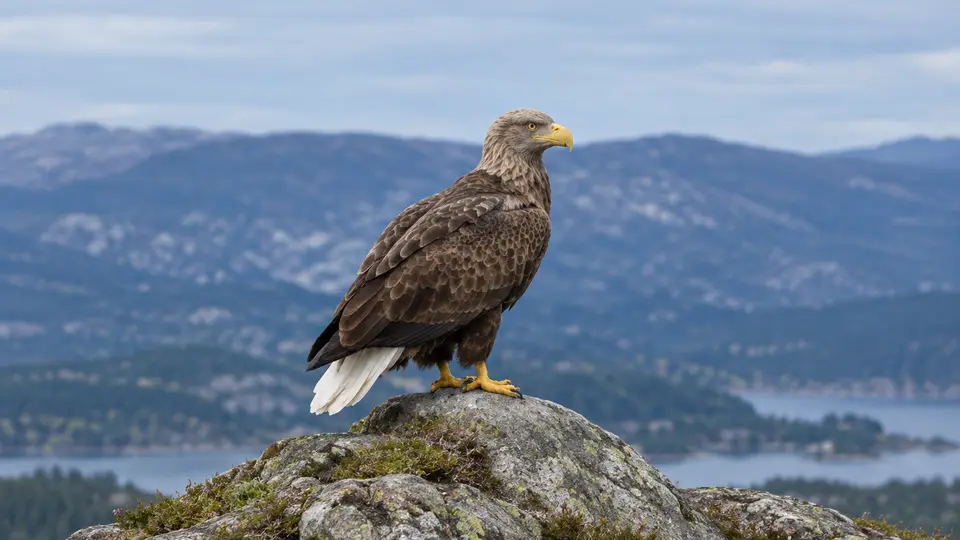
The White-tailed Eagle is a very large bird of prey associated with productive waters and suitable resting or nesting structures. Adults combine a brown body with a paler head and neck and a conspicuous white tail. Despite the alternative name sea eagle, inland lakes and delta wetlands are relevant habitat, and fish are only part of its varied diet. The Danube registry places this species in the Romanian delta around Mahmudia and connected lakes and channels, not on the standard Passau–Vienna–Bratislava–Budapest route. A separate Rhine registration concerns Hardenhoek in the Dutch Biesbosch, an optional wetland detour rather than Amsterdam or the Amsterdam–Rhine Canal. Original Danube Delta research independently confirms a nesting population and documents threats to it. Neither a species checklist nor a nesting study predicts a close encounter from an ordinary cruise deck.

व्यवहार और प्रजनन

आकार
Not verified
वजन
Species-specific weight not verified
जीवनकाल
Species-specific lifespan not verified
स्थिति
See sourced assessment

White-tailed Eagles can soar on broad wings, take prey from water and rest for long periods on suitable perches. RSPB describes lifelong pairing and strong fidelity to nest sites, with pairs adding material over successive breeding seasons. Those general species details help explain why repeated disturbance near a nesting territory can be consequential. In the Danube Delta, a ten-year study covering 2009–2018 registered 166 nests across the reserve and surrounding area. It documented both natural nest losses and human pressures, including disturbance by fishermen and tourists. These are research records of nesting structures, not 166 simultaneously occupied nests or a list of visitor destinations. No local egg-laying or arrival month is inferred from them. If an eagle changes its behaviour in response to a boat or group, increase distance rather than attempting to obtain a closer view or locate the nest.

वन्यजीवों के प्रमुख स्थान

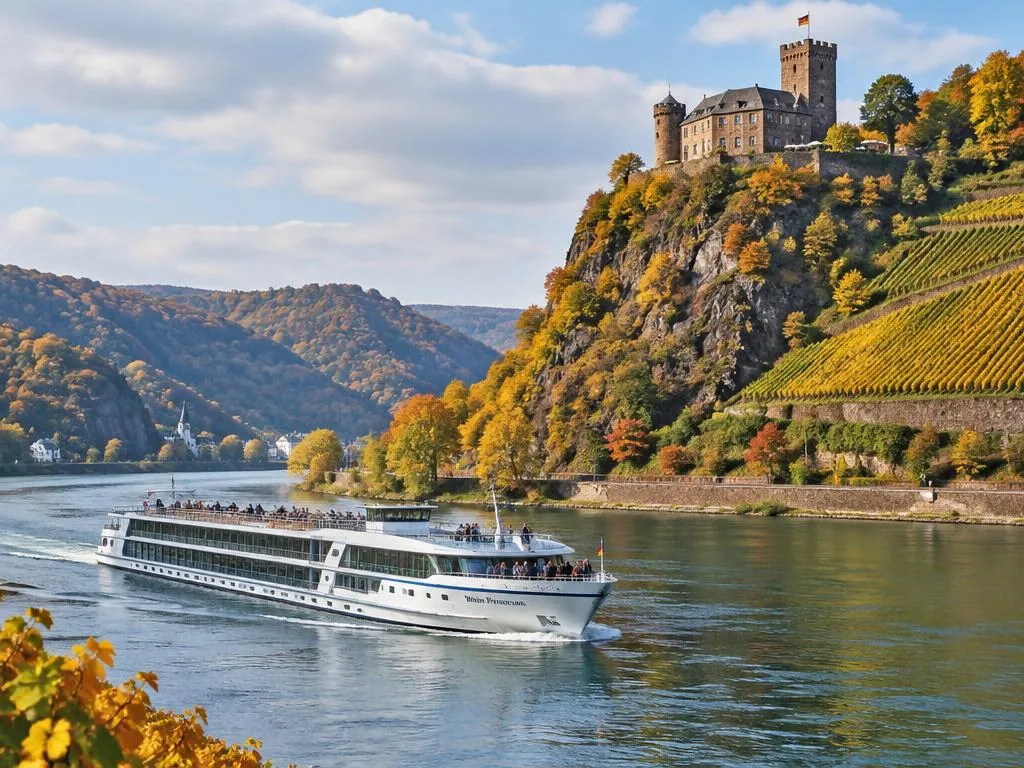
Danube का नदी दृश्य — नदी क्रूज़ के वन्यजीवों का आवास

Danube

Romania: Danube Delta around Mahmudia and delta lakes/channels. This is a separate lower-Danube or delta itinerary, not Passau–Vienna–Bratislava–Budapest. The registered checklist confirms occurrence; independent research confirms nesting across the reserve and surroundings but does not identify a dependable tourist observation point at every lake. Expect potentially distant views and respect nest-sensitive areas.
रिवर क्रूज एक्सप्लोर करें
Rhine का नदी दृश्य — नदी क्रूज़ के वन्यजीवों का आवास

Rhine

Dutch Rhine–Meuse delta: Hardenhoek, Biesbosch; optional wetland detour, not Amsterdam or the Amsterdam–Rhine Canal. The registered birding-site account identifies White-tailed Eagle as a species to look for. Its favourable viewing language is not a guarantee; birds can be distant and a telescope may help.

रिवर क्रूज एक्सप्लोर करें

गंतव्य प्रजातियों के प्राकृतिक आवास का वर्णन करते हैं, न कि क्रूज के निश्चित पड़ावों का। कुछ जानवरों को देखने के लिए वैकल्पिक अंतर्देशीय भ्रमण की आवश्यकता होती है या वे केवल प्रतिबंधित रिजर्व में पाए जाते हैं।

White-tailed Eagle के बारे में रोचक तथ्य

  • Adults have white tail feathers, but young birds are less straightforward to identify.
  • The large head projects noticeably beyond the wings in flight.
  • Broad wings with fingered tips contribute to its distinctive silhouette.
  • RSPB reports a wingspan that can reach 2.4 metres.
  • Fish are part of a diet that also includes birds, mammals and carrion.
  • White-tailed Eagles can steal food from other animals.
  • Pairs can remain faithful to the same nest site and add material repeatedly.
  • A Danube Delta study registered 166 nests across ten years, not 166 simultaneously occupied territories.
  • Tourist disturbance was among the human pressures documented by the local nesting study.

White-tailed Eagle को देखने का सबसे अच्छा समय

Romanian Danube Delta only: local specialist Ibis Tours identifies April as viewing recommendations for this species. This is operator guidance, not a statistical sighting forecast; it does not extend to Passau, Vienna or Budapest. Colonies must be watched from permitted routes without close nest approaches. Other registered reaches retain their separate evidence and unknown months. These highlighted windows are recommendations, not the only months when the species may occur. Ask the guide about recent observations, current water access and local restrictions before choosing an excursion. Historical records and breeding dates elsewhere are not used to fill gaps in the local calendar.

White-tailed Eagle: गंतव्य के अनुसार सीजन मैट्रिक्स

Highlighted months reflect the stated local evidence, not guaranteed encounters. Neutral months mean no verified monthly viewing window, not absence. Observation records and recommended viewing windows are distinct.

Danube

Romanian Danube Delta only: local specialist Ibis Tours identifies April as viewing recommendations for this species. This is operator guidance, not a statistical sighting forecast; it does not extend to Passau, Vienna or Budapest. Colonies must be watched from permitted routes without close nest approaches.

जन॰फ़र॰मार्चअप्रैलमईजूनजुल॰अग॰सित॰अक्टू॰नव॰दिस॰
रिवर क्रूज एक्सप्लोर करें

Rhine

No exact eagle-specific local viewing months confirmed. The registry’s spring/summer reference concerns spoonbills and must not be reassigned to White-tailed Eagle.

जन॰फ़र॰मार्चअप्रैलमईजूनजुल॰अग॰सित॰अक्टू॰नव॰दिस॰
रिवर क्रूज एक्सप्लोर करें

White-tailed Eagle कहाँ रहता है

Large lakes, channels and wetland margins provide the watery setting relevant to the registered Danube Delta occurrence. Trees and other suitable structures can offer perches, while nesting habitat must be protected from repeated intrusion. The original Romanian study concerns the Danube Delta Biosphere Reserve and its surroundings, a much broader area than a single excursion from Mahmudia. It should not be read as proof that every lake included in an itinerary contains an occupied territory. In the Netherlands, the registered place is Hardenhoek in the Biesbosch, within the Dutch Rhine–Meuse delta. This is a distinct wetland landscape requiring an appropriate detour or local visit. A river name alone does not describe the combination of feeding habitat, resting sites and low disturbance that an eagle uses. Follow reserve access rules and avoid treating remote trees or islands as targets for closer boat approaches.

White-tailed Eagle क्या खाता है

Fish are important prey, but the White-tailed Eagle is an opportunistic predator and scavenger rather than a specialist that eats only fish. RSPB lists mammals, birds such as gulls and ducks, and carrion alongside fish. Its account of diet research also describes food stealing from other birds and even otters. These are species-level feeding behaviours, not a measured menu for Mahmudia or Hardenhoek. What an individual takes depends on available food, and a single feeding observation cannot establish the proportions of its local diet. An eagle resting beside a lake may be watching for prey, digesting a meal or simply using a convenient perch; its purpose should not be asserted without evidence. Never supply fish or other bait to attract an eagle. Feeding changes the observation and may draw wildlife towards boats, fishing activity or other hazards instead of allowing natural behaviour.

प्रजातियों पर एक नज़र

सामान्य नाम
White-tailed Eagle
Scientific name
Haliaeetus albicilla
पशु समूह
Birds
आकार
Wingspan can reach 2.4 m (7.9 ft), according to RSPB; body-length range not verified here
वजन
Species-specific weight not verified
जीवनकाल
Species-specific lifespan not verified
स्थिति
A 2023 Danube Delta research paper reports the species as globally Least Concern, citing IUCN and BirdLife International, while emphasising its conservation needs in Romania. This is an attributed 2023 statement, not a newly checked global assessment. UK conservation classifications are not transferred to Romania or the Netherlands.
पहचान
An adult White-tailed Eagle has a brown body, a conspicuously paler head and neck, a large yellow bill and white tail feathers. RSPB emphasises its massive, broad wings with fingered tips, projecting head and wedge-shaped tail. It commonly soars with the wings held flatter than the raised V associated with Golden Eagles. Young birds have a darker bill and do not provide the same straightforward adult combination, so a missing bright white tail does not automatically exclude the species. Poor light and great distance can also conceal useful details. Record shape, proportions and visible colour features together, and seek local confirmation for uncertain birds. RSPB’s description of this as the UK’s largest bird of prey is a British comparison, not a measurement of every delta raptor. No unverified weight or lifespan is supplied here, and size alone should not determine an identification.

White-tailed Eagle: अक्सर पूछे जाने वाले प्रश्न

तुम White-tailed Eagle कहाँ देख सकते हो?
Danube, Rhine. Scan distant trees, lake margins and the sky with binoculars before concluding that an eagle is absent. A telescope can help with a perched bird that would otherwise appear only as a dark shape. In flight, note the proportions of the wings, head and tail instead of relying on size alone, which can be difficult to judge without a reference. From a boat, keep a steady course and use a long lens rather than steering closer to a resting bird. Do not ask a guide to flush it for a flight photograph. The Danube Delta nesting study explicitly identifies tourist and fishing disturbance among human pressures on nests. Avoid searching for occupied nest trees, disembarking on restricted islands or sharing sensitive nest locations. At Hardenhoek, use established viewing places and recognise that a good wetland viewpoint cannot guarantee an eagle will be present during a particular visit.
White-tailed Eagle देखने का सबसे अच्छा समय कब है?
Romanian Danube Delta only: local specialist Ibis Tours identifies April as viewing recommendations for this species. This is operator guidance, not a statistical sighting forecast; it does not extend to Passau, Vienna or Budapest. Colonies must be watched from permitted routes without close nest approaches. Other registered reaches retain their separate evidence and unknown months. These highlighted windows are recommendations, not the only months when the species may occur. Ask the guide about recent observations, current water access and local restrictions before choosing an excursion. Historical records and breeding dates elsewhere are not used to fill gaps in the local calendar.
White-tailed Eagle कितने बड़े होते हैं?
Wingspan can reach 2.4 m (7.9 ft), according to RSPB; body-length range not verified here। वयस्क वजन: Species-specific weight not verified। आकार उम्र, लिंग और आबादी के साथ बदलता रहता है।
White-tailed Eagle के आस-पास मुझे कैसा व्यवहार करना चाहिए?
Scan distant trees, lake margins and the sky with binoculars before concluding that an eagle is absent. A telescope can help with a perched bird that would otherwise appear only as a dark shape. In flight, note the proportions of the wings, head and tail instead of relying on size alone, which can be difficult to judge without a reference. From a boat, keep a steady course and use a long lens rather than steering closer to a resting bird. Do not ask a guide to flush it for a flight photograph. The Danube Delta nesting study explicitly identifies tourist and fishing disturbance among human pressures on nests. Avoid searching for occupied nest trees, disembarking on restricted islands or sharing sensitive nest locations. At Hardenhoek, use established viewing places and recognise that a good wetland viewpoint cannot guarantee an eagle will be present during a particular visit.
White-tailed Eagle क्या खाते हैं?
Fish are important prey, but the White-tailed Eagle is an opportunistic predator and scavenger rather than a specialist that eats only fish. RSPB lists mammals, birds such as gulls and ducks, and carrion alongside fish. Its account of diet research also describes food stealing from other birds and even otters. These are species-level feeding behaviours, not a measured menu for Mahmudia or Hardenhoek. What an individual takes depends on available food, and a single feeding observation cannot establish the proportions of its local diet. An eagle resting beside a lake may be watching for prey, digesting a meal or simply using a convenient perch; its purpose should not be asserted without evidence. Never supply fish or other bait to attract an eagle. Feeding changes the observation and may draw wildlife towards boats, fishing activity or other hazards instead of allowing natural behaviour.
क्या रिवर क्रूज पर वन्यजीवों का दिखना निश्चित है?
नहीं। जानवर स्वतंत्र रूप से घूमते हैं और मार्ग, मौसम, पहुंच प्रतिबंध और स्थानीय स्थितियां हर यात्रा को प्रभावित करती हैं। बुकिंग से पहले वास्तविक यात्रा कार्यक्रम और तट कार्यक्रम की पुष्टि करें।

उन्हीं गंतव्यों में वन्यजीवों की तुलना करें

इन गंतव्यों में दर्ज अन्य birds को एक्सप्लोर करें। समान परिवेश का अर्थ यह नहीं है कि जानवरों की आदतें या देखने का सीजन भी एक जैसा होगा।

पशु समूह और गंतव्य के अनुसार प्रजातियों की तुलना
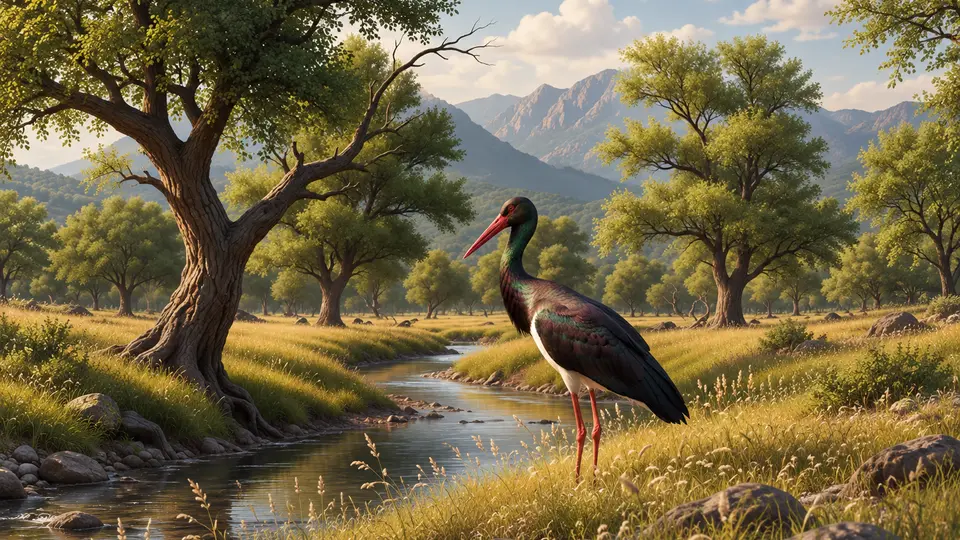
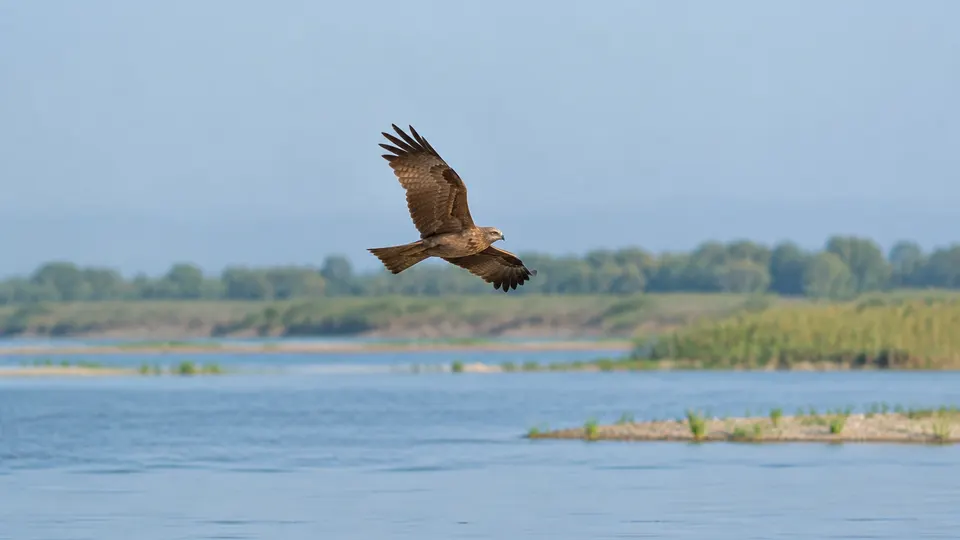
आर्द्रभूमि में White-tailed eagle — Danube, Rhine, नदी क्रूज़ के वन्यजीवWhite-tailed Eagleआर्द्रभूमि में Black kite — Danube, Rhine, नदी क्रूज़ के वन्यजीवBlack Kiteआर्द्रभूमि में Black stork — Danube, नदी क्रूज़ के वन्यजीवBlack Stork
पशु समूहBirdsपशु समूहBirdsपशु समूहBirds
डेस्टिनेशनDanube, Rhineडेस्टिनेशनDanube, Rhineडेस्टिनेशनDanube
Scientific name
Haliaeetus albicilla
Scientific name
Scientific name
पिछली प्रजातिWhite-breasted Waterhenअगली प्रजातिWhite-throated Kingfisher
नदी के सभी वन्यजीव
On this page
  • 01लगभग
  • 02व्यवहार और प्रजनन
  • 03वन्यजीवों के प्रमुख स्थान
  • 04रोचक तथ्य
  • 05सबसे अच्छा मौसम
  • 06गंतव्य के अनुसार सीजन मैट्रिक्स
  • 07आवास
  • 08आहार
  • 09प्रजातियों पर एक नज़र
  • 10प्रश्न और उत्तर
  • 11तुलना करें

Find your river cruise

अपनी यात्रा की योजना बनाएं

अपना अगला रिवर क्रूज़ सफर खोजो

उन गंतव्यों, तटवर्ती कार्यक्रमों और तारीखों की तुलना करें जहाँ आप अपने पसंदीदा जानवरों और उनके प्राकृतिक आवासों को देख सकें।

  • दैनिक तटवर्ती भ्रमण
  • जिम्मेदारी के साथ वन्यजीव दर्शन
  • बुटीक रिवर शिप्स
रिवर क्रूज एक्सप्लोर करें