Anthozoa

Coral

Varie de centimètres à mètres
Des centaines à des milliers de ans (colonie)
De nombreuses espèces vulnérables ou en danger
À propos

Coral

Coral reefs are the foundation of marine ecosystems worldwide and the Bahamas hosts the third-largest barrier reef system on Earth. These living organisms — colonies of tiny polyps — build massive calcium carbonate structures over thousands of years. Brain corals, elkhorn corals, and sea fans create complex underwater landscapes that support over 25% of all marine species.

Taille

Varie de centimètres à mètres (taille de la colonie)

Poids

Varie énormément

Durée de vie

Des centaines à des milliers de ans (colonie)

Statut

De nombreuses espèces vulnérables ou en danger

Où les trouver

Meilleurs sites de plongée

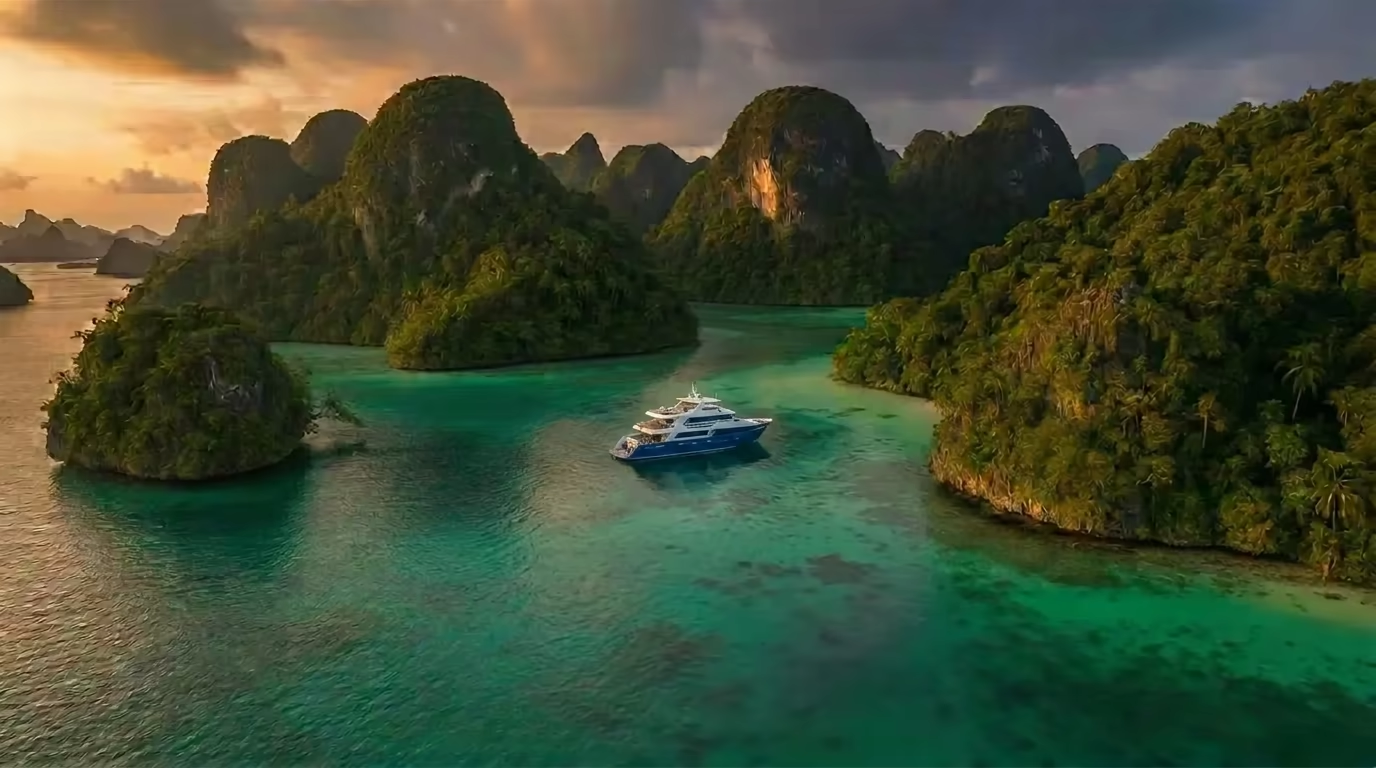
Récif-barrière d'Andros, BahamasParc terrestre et marin d'Exuma CaysGrande Barrière de Corail, AustralieMer Rouge, ÉgypteMaldivesRaja Ampat, IndonésieFidjiBarrière de corail du BelizeToutes les Caraïbes

Conseils de plongée

Never touch or stand on coral — even light contact can kill decades of growth. Maintain excellent buoyancy and keep fins clear of the reef. Use reef-safe sunscreen. Night dives reveal coral polyps feeding, an extraordinary spectacle.

Meilleure saison

Year-round, best visibility in winter months

Habitat

Shallow tropical and subtropical waters, typically less than 60 metres deep

Régime alimentaire

Photosynthetic algae (zooxanthellae) and plankton captured by polyps
Le saviez-vous ?

Faits amusants

1

Coral reefs support about 25% of all known marine species

2

The Andros Barrier Reef in the Bahamas is the third-largest in the world

3

Coral can reproduce both sexually and asexually

4

Some coral colonies are over 4,000 years old — older than the pyramids

Commencez votre aventure

Prêt à plonger avec cet animal ?

Explorez nos expéditions en croisière vers les meilleures destinations de plongée