Bluerides – Blue Rides - Tauchsafaris weltweit buchenOCEAN ADVENTURES
River CruisesRiversNature & WildlifeOur Promise
River CruisesRiversNature & WildlifeOur PromiseAnmelden

Flussreiseziele

  • Flussreiseziele
  • Amazonas
  • Donau
  • Rhein
  • Mekong
  • Nil

Schiffe & Abfahrten

  • Flusskreuzfahrt-Suche
  • Angebote

Natur & Tierwelt

  • Natur & Tierwelt

Reiseberatung

  • Unser Versprechen
  • Kontakt

Kontakt

Kontaktiere uns

Melde dich jederzeit, wir helfen dir gerne weiter, egal ob Reisewahl oder offene Frage.

E-MailSchreib uns, meist antworten wir binnen weniger Stunden.
kontakt@bluerides.com
WhatsAppSchreib uns per WhatsApp, Mo–Fr 10:00–16:00 Uhr (MEZ).
WhatsApp-Chat starten
TelefonRuf uns an, wir helfen dir gerne weiter.
Kostenlos anrufen, Mo–Fr 10–20 Uhr (MEZ).
Europa+49 800 1144 990USA+1 888 557 7735UK+44 800 707 4152Australien+61 2 8599 6113Kanada+1 888 557 7735
Which river journey is yours?Answer 8 quick questions and find the river cruise that fits you.
8 questions, 1 minute·Plus Gift
Sichere ZahlungsmethodenDeine Zahlungen sind vollständig geschützt durch AES-256-Verschlüsselung.
Unterstützt vonStripeWiseAMEXPayGoogle PaySEPABank
Impressum·AGB·Datenschutz·Über uns·Kontakt·Haftungsausschluss·Partnerprogramm·Cruise·
Besucht uns hier

© 2026 Blue Rides. Alle Rechte vorbehalten.·

Bluerides – Blue Rides - Tauchsafaris weltweit buchenOCEAN ADVENTURES
River CruisesRiversNature & WildlifeOur Promise
River CruisesRiversNature & WildlifeOur PromiseAnmelden
Black Redstart im Feuchtgebiet — Saone, Douro, Tierwelt auf Flusskreuzfahrten
Startseite›River Cruises›River Wildlife›Black Redstart

Black RedstartPhoenicurus ochrurosWo und wann du sie sehen kannst

Previous speciesBlack KiteNext speciesBlack Stork

Black Redstart at a glance

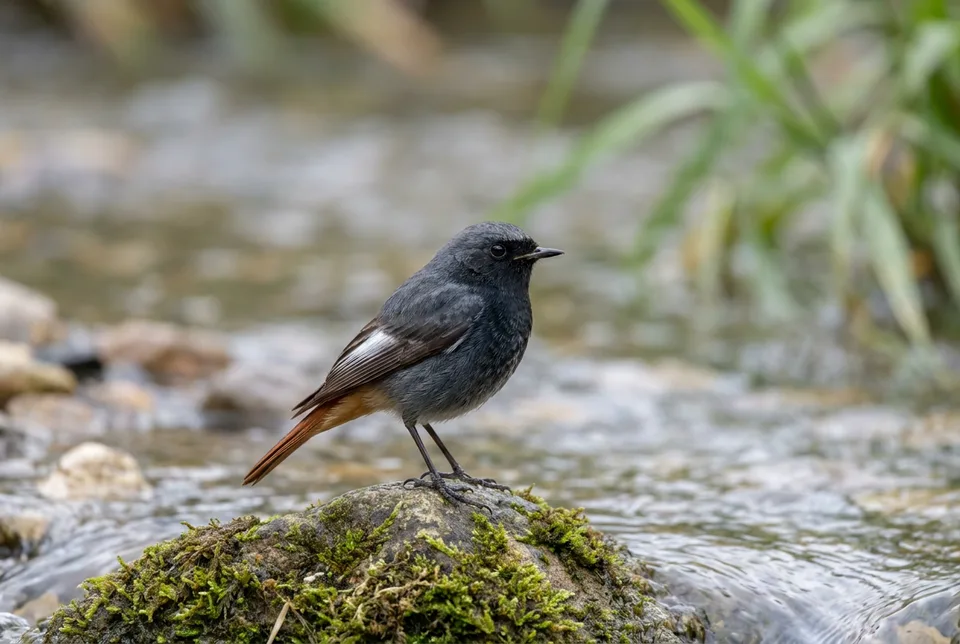
The Black Redstart is a small bird whose association with rocky ground has expanded into buildings, industrial sites and urban waterfronts. The RSPB describes it as Robin-sized and highlights the grey-black male and red tail. That combination can make it an appealing species to seek during a shore walk rather than a dedicated wetland expedition. The River registry contains two separate locations: the lower Saône promenade between Rochetaillée-sur-Saône, Fontaines-sur-Saône and Lyon, and the Douro estuary around Porto and Vila Nova de Gaia. The Lyon biodiversity guide lists rouge-queue noir, while the Portuguese estuary account lists rabirruivo-preto. These local names refer to Phoenicurus ochruros. Neither list establishes a shared seasonal schedule, and the coastal Douro entry must not be extended to inland Régua or Pinhão. Buildings and quays provide plausible observation settings, but individual birds remain mobile and cannot be promised at a particular stop.
Behaviour & reproduction

Size
Robin-sized, according to the RSPB
Weight
Not verified in the sources read
Lifespan
Not verified in the sources read
Status
See sourced assessment

Black Redstarts commonly use exposed perches from which they inspect nearby surfaces and make short movements to obtain food. Their repeated tail movements can draw attention before the bird's colours are clear. A waterfront wall, roof edge or rock can serve as a lookout, but a bird may disappear behind structures or move between several small feeding patches. The RSPB emphasises the species' successful use of industrial and urban centres, a useful reminder that wildlife observation need not be confined to apparently natural banks. Males may be easier to recognise than females or young birds because of their darker plumage. During a shore walk, pause at a safe distance and allow a bird to resume activity rather than following it from perch to perch. Do not enter restricted quay infrastructure or approach a suspected nesting crevice. Urban tolerance does not mean that repeated close pursuit has no effect.

Top wildlife locations

Flusslandschaft Saone — Lebensraum auf Flusskreuzfahrten

Saone

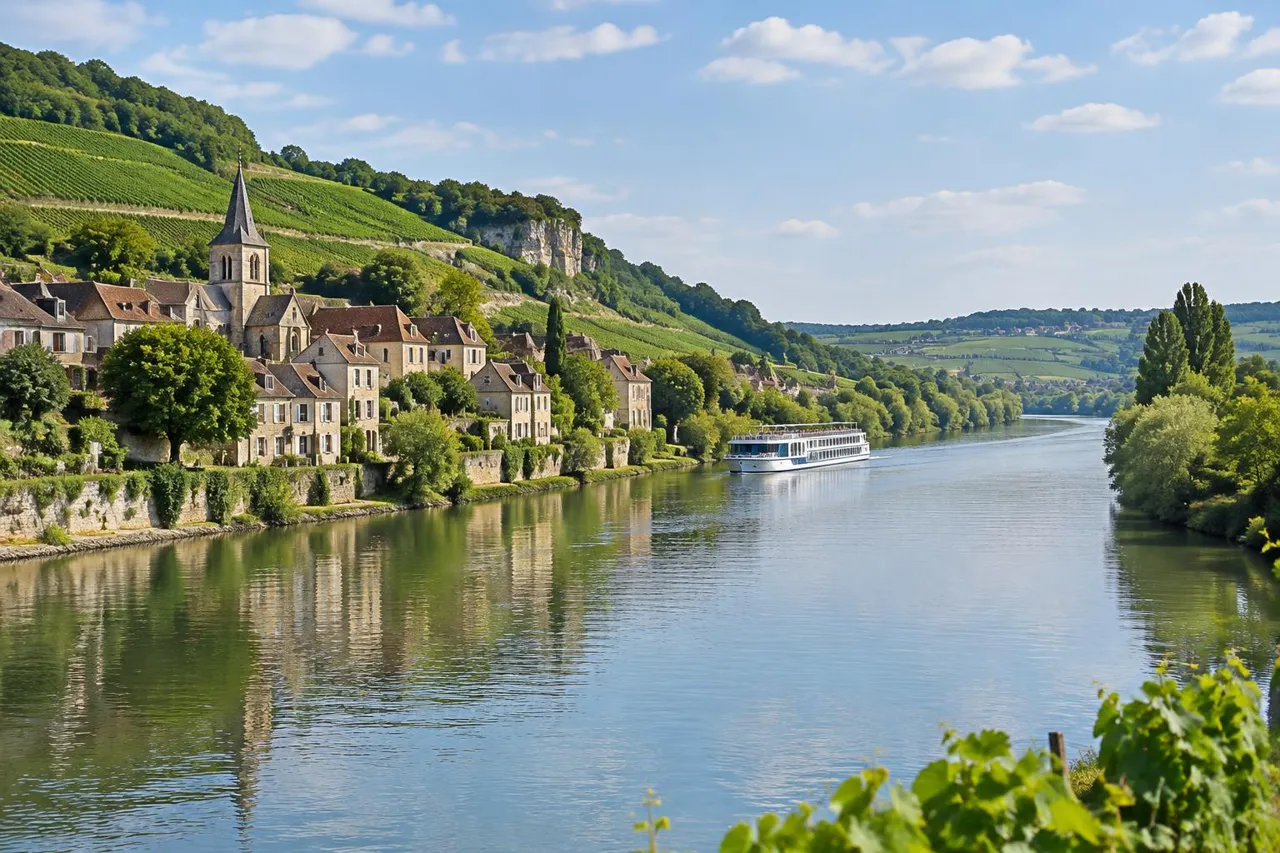
Lower Saône: Grand Lyon Rives de Saône promenade, Rochetaillée-sur-Saône–Fontaines-sur-Saône–Lyon, upstream of the Rhône confluence. The official guide lists rouge-queue noir.
Explore river cruises
Flusslandschaft Douro — Lebensraum auf Flusskreuzfahrten

Douro

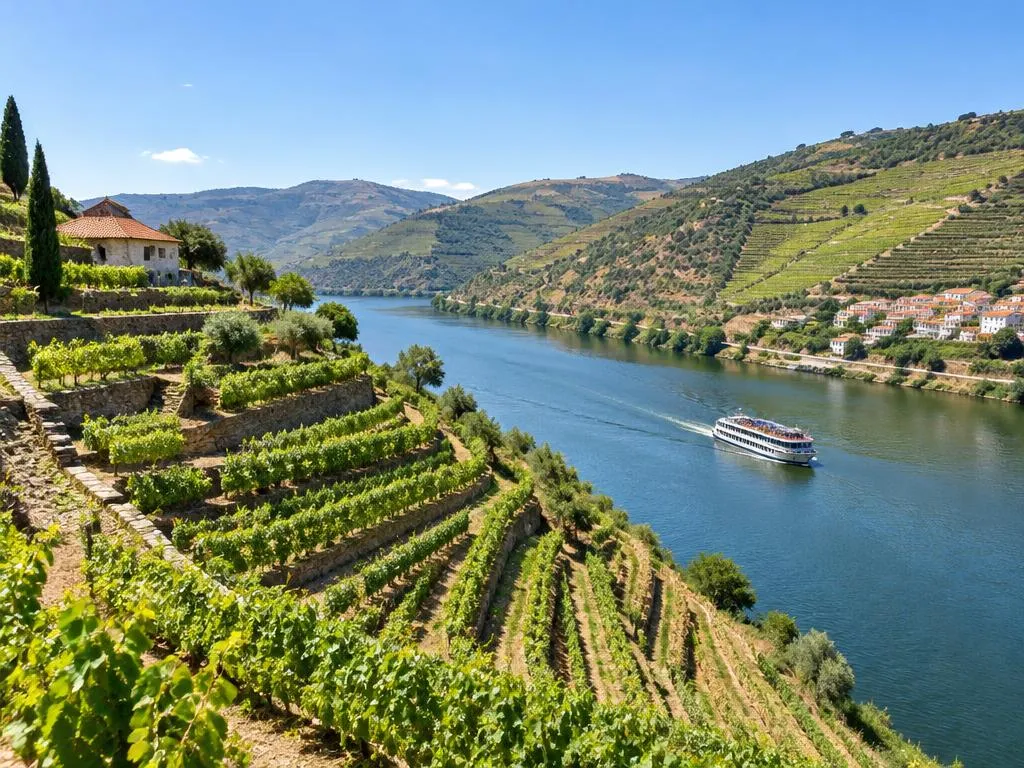
Porto / Vila Nova de Gaia: Douro estuary reserve, Afurada–Cabedelo–São Paio. The local account lists rabirruivo-preto; not an inland Régua–Pinhão claim.

Explore river cruises

Destinations describe the species' habitat, not guaranteed cruise stops. Some animals require an optional inland excursion or are found in restricted reserves.

Fun facts about the Black Redstart

  • Its scientific name is Phoenicurus ochruros.
  • The RSPB describes it as Robin-sized.
  • Adult males are grey-black.
  • The tail is rusty red.
  • Females are duller than adult males.
  • It uses industrial and urban landscapes.
  • The French name is rouge-queue noir.
  • The Portuguese name is rabirruivo-preto.
  • Its Douro registry entry concerns the estuary, not inland vineyard reaches.

Best time to see the Black Redstart

Both registered locations retain empty month arrays. The Grand Lyon guide confirms the species within the Rives de Saône biodiversity context, and the Portuguese account confirms it in the Douro estuary assemblage. Neither passage read establishes exact local monthly viewing dates for Black Redstart. The registry's general spring-to-autumn wording for the Saône is therefore not converted into numbered months. Likewise, seasonal statements about waders at the Douro estuary cannot be transferred to this land bird. The RSPB's British distribution and conservation discussion also cannot supply French or Portuguese dates. Before a visit, ask about recent records on the actual promenade or estuary path, and distinguish those from observations elsewhere in the city. A public waterfront walk can offer an opportunity without requiring a guaranteed seasonal promise. Current building work, restricted access and changes in feeding habitat may affect a particular site independently of the time of year.

Black Redstart: season matrix by destination

Highlighted months reflect the stated local evidence, not guaranteed encounters. Neutral months mean no verified monthly viewing window, not absence. Observation records and recommended viewing windows are distinct.

Saone

The local guide establishes occurrence, not exact species-specific monthly viewing dates.

JanFebMärAprMaiJunJulAugSepOktNovDez
Explore river cruises

Douro

No exact local monthly calendar for this species was established.

JanFebMärAprMaiJunJulAugSepOktNovDez
Explore river cruises

Where the Black Redstart lives

Rocky terrain, buildings and other hard structures provide the broad habitat context for Black Redstarts. The RSPB specifically notes their adaptation to industrial and urban centres. Along the lower Saône, the registry identifies the Grand Lyon Rives de Saône promenade upstream of the Rhône confluence, including Rochetaillée-sur-Saône, Fontaines-sur-Saône and Lyon. This is a riverfront landscape with built features as well as vegetation. At the Douro, the registered area is the coastal estuary reserve around Afurada, Cabedelo and São Paio, not the inland cruise valley. A local species list does not identify every occupied structure or grant access to private and operational areas. Search from public paths and respect barriers around quays, buildings and conservation zones. The species' use of artificial structures should not obscure the need for feeding space and safe nesting recesses. A recently redeveloped frontage may differ substantially from the landscape described in an older guide.

What the Black Redstart eats

Black Redstarts feed principally on small animal prey, especially invertebrates obtained around open ground, rocks and structures. Short movements between a perch and a feeding surface can make their hunting easier to follow than the tiny prey itself. A riverfront location does not imply a diet of fish or aquatic organisms; the bird may be exploiting insects associated with walls, vegetation and adjacent ground. Occasional plant foods are part of the wider redstart feeding pattern, but the local documents read do not quantify diet at either registered river. Avoid presenting a general food list as a measured comparison between Lyon and Porto. Visitors should not scatter food, use mealworms or otherwise attract a bird toward a busy promenade for a photograph. Watching an undisturbed bird move among its existing feeding spots gives a more faithful impression of its ecology. Leave access to sheltered corners and suspected nest sites unobstructed.

Species at a glance

Common name
Black Redstart
Scientific name
Phoenicurus ochruros
Animal group
Birds
Size
Robin-sized, according to the RSPB
Weight
Not verified in the sources read
Lifespan
Not verified in the sources read
Status
Global category not verified. The RSPB page contains conflicting UK classification wording; no UK category is adopted here.
Identification
The red or rusty-orange tail is the principal feature linking the different plumages of Black Redstart. Adult males in western populations are largely grey-black, while females and young birds are duller brown-grey. The RSPB describes the species as Robin-sized and notes its adaptation to urban centres. Size and setting are supporting clues, not diagnostic proof. Compare the overall body colour, tail pattern and any wing contrast with other small birds using the same walls or open ground. Common Redstart can also show an orange tail, so that feature alone is insufficient when the rest of the bird is hidden. Light can exaggerate or conceal dark plumage, particularly against bright water or pale masonry. The local names rouge-queue noir and rabirruivo-preto help connect the French and Portuguese sources to the exact registry taxon, Phoenicurus ochruros. They do not indicate different river-specific species or subspecies.

Black Redstart: frequently asked questions

Where can I see the Black Redstart?
Saone, Douro. During a shore walk, scan roof edges, walls, railings and patches of open ground rather than concentrating exclusively on the water. Pause where a small bird repeatedly returns to an exposed perch. The rusty-red tail can remain conspicuous even when the body appears grey or brown, while the male's darker face and chest may require better light. At the lower Saône, remain on the public promenade and avoid blocking narrow sections while using binoculars. At the Douro, use the permitted reserve paths and keep the coastal scope of the registry in mind. Neither location requires entering private buildings or approaching nest cavities. If a bird is carrying food or repeatedly disappearing into a recess, withdraw sufficiently to allow normal access. A short, well-observed encounter is more valuable than prolonged pursuit. Record the actual waterfront location rather than assigning a sighting to the entire river or assuming an inland cruise stage shares the estuary record.
When is the best time to see the Black Redstart?
Both registered locations retain empty month arrays. The Grand Lyon guide confirms the species within the Rives de Saône biodiversity context, and the Portuguese account confirms it in the Douro estuary assemblage. Neither passage read establishes exact local monthly viewing dates for Black Redstart. The registry's general spring-to-autumn wording for the Saône is therefore not converted into numbered months. Likewise, seasonal statements about waders at the Douro estuary cannot be transferred to this land bird. The RSPB's British distribution and conservation discussion also cannot supply French or Portuguese dates. Before a visit, ask about recent records on the actual promenade or estuary path, and distinguish those from observations elsewhere in the city. A public waterfront walk can offer an opportunity without requiring a guaranteed seasonal promise. Current building work, restricted access and changes in feeding habitat may affect a particular site independently of the time of year.
How big does the Black Redstart get?
Robin-sized, according to the RSPB. Adult weight: Not verified in the sources read. Size varies with age, sex and population.
How should I behave around the Black Redstart?
During a shore walk, scan roof edges, walls, railings and patches of open ground rather than concentrating exclusively on the water. Pause where a small bird repeatedly returns to an exposed perch. The rusty-red tail can remain conspicuous even when the body appears grey or brown, while the male's darker face and chest may require better light. At the lower Saône, remain on the public promenade and avoid blocking narrow sections while using binoculars. At the Douro, use the permitted reserve paths and keep the coastal scope of the registry in mind. Neither location requires entering private buildings or approaching nest cavities. If a bird is carrying food or repeatedly disappearing into a recess, withdraw sufficiently to allow normal access. A short, well-observed encounter is more valuable than prolonged pursuit. Record the actual waterfront location rather than assigning a sighting to the entire river or assuming an inland cruise stage shares the estuary record.
What does the Black Redstart eat?
Black Redstarts feed principally on small animal prey, especially invertebrates obtained around open ground, rocks and structures. Short movements between a perch and a feeding surface can make their hunting easier to follow than the tiny prey itself. A riverfront location does not imply a diet of fish or aquatic organisms; the bird may be exploiting insects associated with walls, vegetation and adjacent ground. Occasional plant foods are part of the wider redstart feeding pattern, but the local documents read do not quantify diet at either registered river. Avoid presenting a general food list as a measured comparison between Lyon and Porto. Visitors should not scatter food, use mealworms or otherwise attract a bird toward a busy promenade for a photograph. Watching an undisturbed bird move among its existing feeding spots gives a more faithful impression of its ecology. Leave access to sheltered corners and suspected nest sites unobstructed.
Are wildlife sightings guaranteed on a river cruise?
No. Animals move freely and routes, weather, access restrictions and local conditions influence every outing. Confirm the actual itinerary and shore program before booking.

Compare wildlife in the same destinations

Explore other birds recorded in these destinations. Similar surroundings do not mean the animals share the same habits or viewing season.

Species comparison by animal group and destination
Black Redstart im Feuchtgebiet — Saone, Douro, Tierwelt auf FlusskreuzfahrtenBlack RedstartAlpine Swift im Feuchtgebiet — Saone, Tierwelt auf FlusskreuzfahrtenAlpine SwiftBar-tailed godwit im Feuchtgebiet — Douro, Tierwelt auf FlusskreuzfahrtenBar-tailed godwit
Animal groupBirdsAnimal groupBirdsAnimal groupBirds
DestinationsSaone, DouroDestinationsSaoneDestinationsDouro
Scientific name
Phoenicurus ochruros

Phoenicurus ochruros

Scientific name
Scientific name
Size
Robin-sized, according to the RSPB
Size
Size
Weight
Not verified in the sources read
Weight
Weight
Lifespan
Not verified in the sources read
Lifespan
Lifespan
Status
See sourced assessment
Status
Status
Identification
The red or rusty-orange tail is the principal feature linking the different plumages of Black Redstart.

The red or rusty-orange tail is the principal feature linking the different plumages of Black Redstart. Adult males in western populations are largely grey-black, while females and young birds are duller brown-grey. The RSPB describes the species as Robin-sized and notes its adaptation to urban centres. Size and setting are supporting clues, not diagnostic proof. Compare the overall body colour, tail pattern and any wing contrast with other small birds using the same walls or open ground. Common Redstart can also show an orange tail, so that feature alone is insufficient when the rest of the bird is hidden. Light can exaggerate or conceal dark plumage, particularly against bright water or pale masonry. The local names rouge-queue noir and rabirruivo-preto help connect the French and Portuguese sources to the exact registry taxon, Phoenicurus ochruros. They do not indicate different river-specific species or subspecies.

Identification
Identification
Habitat
Rocky terrain, buildings and other hard structures provide the broad habitat context for Black Redstarts.

Rocky terrain, buildings and other hard structures provide the broad habitat context for Black Redstarts. The RSPB specifically notes their adaptation to industrial and urban centres. Along the lower Saône, the registry identifies the Grand Lyon Rives de Saône promenade upstream of the Rhône confluence, including Rochetaillée-sur-Saône, Fontaines-sur-Saône and Lyon. This is a riverfront landscape with built features as well as vegetation. At the Douro, the registered area is the coastal estuary reserve around Afurada, Cabedelo and São Paio, not the inland cruise valley. A local species list does not identify every occupied structure or grant access to private and operational areas. Search from public paths and respect barriers around quays, buildings and conservation zones. The species' use of artificial structures should not obscure the need for feeding space and safe nesting recesses. A recently redeveloped frontage may differ substantially from the landscape described in an older guide.

Habitat
Habitat
Diet
Black Redstarts feed principally on small animal prey, especially invertebrates obtained around open ground, rocks and structures.

Black Redstarts feed principally on small animal prey, especially invertebrates obtained around open ground, rocks and structures. Short movements between a perch and a feeding surface can make their hunting easier to follow than the tiny prey itself. A riverfront location does not imply a diet of fish or aquatic organisms; the bird may be exploiting insects associated with walls, vegetation and adjacent ground. Occasional plant foods are part of the wider redstart feeding pattern, but the local documents read do not quantify diet at either registered river. Avoid presenting a general food list as a measured comparison between Lyon and Porto. Visitors should not scatter food, use mealworms or otherwise attract a bird toward a busy promenade for a photograph. Watching an undisturbed bird move among its existing feeding spots gives a more faithful impression of its ecology. Leave access to sheltered corners and suspected nest sites unobstructed.

Diet
Diet
Best season
Both registered locations retain empty month arrays.

Both registered locations retain empty month arrays. The Grand Lyon guide confirms the species within the Rives de Saône biodiversity context, and the Portuguese account confirms it in the Douro estuary assemblage. Neither passage read establishes exact local monthly viewing dates for Black Redstart. The registry's general spring-to-autumn wording for the Saône is therefore not converted into numbered months. Likewise, seasonal statements about waders at the Douro estuary cannot be transferred to this land bird. The RSPB's British distribution and conservation discussion also cannot supply French or Portuguese dates. Before a visit, ask about recent records on the actual promenade or estuary path, and distinguish those from observations elsewhere in the city. A public waterfront walk can offer an opportunity without requiring a guaranteed seasonal promise. Current building work, restricted access and changes in feeding habitat may affect a particular site independently of the time of year.

Best season
Best season
Season matrix by destination
SaoneNo verified monthly viewing evidence

The local guide establishes occurrence, not exact species-specific monthly viewing dates.

DouroNo verified monthly viewing evidence

No exact local monthly calendar for this species was established.

Season matrix by destinationSeason matrix by destination
Previous speciesBlack KiteNext speciesBlack Stork
All river wildlife
On this page
  • 01About
  • 02Behaviour & reproduction
  • 03Top wildlife locations
  • 04Fun facts
  • 05Best season
  • 06Season matrix by destination
  • 07Habitat
  • 08Diet
  • 09Species at a glance
  • 10Questions & answers
  • 11Compare

Find your river cruise

Plan deine Reise

Find your next river journey

Compare destinations, shore programs and dates with the animals and habitats you would love to see.

  • Daily shore excursions
  • Responsible wildlife watching
  • Boutique river ships
Explore river cruises