Severní vraky, Ras Mohamed, Tiran, Brothers, Safaga (Hurghada - Hurghada)
Discovery I · Egypt · 8D7N
O této trase
Vydejte se na podmanivé dobrodružství na lodi v Rudém moři, které prozkoumává kombinaci severních vraků, živých útesů a odlehlých ostrovů. Tato trasa zavede potápěče přes proslulé oblasti Ras Mohamed a Tiran, dále na jih k ostrovům Brothers a útesům poblíž Safagy. Očekávejte setkání s rozmanitým mořským životem, včetně různých druhů žraloků, mant a hejn ryb, to vše na pozadí dramatické podmořské topografie a historických vraků. Připravte se na týden neuvěřitelného potápění v ikonických vodách Egypta.
Oblasti na této trase
Nej zážitky
Carnatic
The Carnatic, a 90-meter-long sail and engine steamer, sank in 1869 while carrying a cargo of wine and 'London soda water'. The wreck is largely intact and lies at approximately 26 meters, offering excellent penetrations into its cargo holds. Its wooden hull has decayed, revealing its iron framework, which is now heavily adorned with soft corals, attracting various marine life including groupers and octopuses.
- 19th-century steamer
- Intact structure
- Penetration opportunities
- Soft coral growth
Dunraven
The Dunraven wreck, a 72m-long English steamer, sank in 1876 on Sha'ab Mahmoud. It lies upside down at a maximum depth of 29m. The wreck is heavily encrusted with corals, attracting a wide variety of marine life including glassfish and moray eels. It offers an excellent opportunity for exploring a historical site that has become a thriving artificial reef.
- 19th-century steamer
- Upside-down position
- Coral encrusted
- Abundant marine life
Giannis D
The Giannis D is a large Greek freighter that sank in 1983. The wreck is split into two sections, lying at a maximum depth of 28m. Divers can explore the engine room, bridge, and cabins, which are now heavily encrusted with soft corals. The wreck is teeming with glassfish, snapper, jacks, and moray eels, making it a captivating dive site for both its historical aspect and marine life.
- Greek freighter wreck
- Penetration dives
- Engine room exploration
- Abundant glassfish
Ras Mohamed
Ras Mohamed National Park is celebrated for its exceptional reef ecosystems, found at the tip of the Sinai where the Red Sea meets the Gulf of Suez and the Gulf of Aqaba. This national park offers some of the best diving in the region, known for its healthy reefs, abundant marine life, and dramatic underwater topography. It's an ideal location for both vibrant reef exploration and wall diving.
- Pristine reefs
- Diverse marine life
- Wall diving
- National park status
Red Sea
The Red Sea is globally renowned for its exceptional marine biodiversity, crystal-clear waters, and stunning coral reefs. It is home to thousands of invertebrate species and over a thousand types of fish, many of which are endemic. The nutrient-rich waters support vibrant ecosystems, making it a prime destination for divers seeking encounters with reef sharks, dugongs, and a myriad of colorful reef fish.
- Exceptional biodiversity
- Crystal-clear waters
- Endemic species
- Vibrant coral reefs
Safaga
Safaga is a port town known for its accessible and diverse dive sites, offering a mix of vibrant reefs and historical wrecks. The sites around Safaga generally feature rich hard and soft coral formations, with a variety of reef fish and occasional larger marine life. It's a key area for exploring both natural reef beauty and submerged history in the Red Sea.
- Coral diversity
- Reef exploration
- Accessible wrecks
- Varied marine habitats
Salam Express
The Salam Express is a relatively recent wreck, sinking in 1976 after an overnight journey from Hurghada to Safaga. The vessel, lying on its side, extends to a maximum depth of 29m. It is completely covered in corals and is home to a wide variety of marine life, including glassfish and moray eels. This wreck offers an excellent deep reef dive experience.
- Recent wreck
- Coral-covered structure
- Glassfish schools
- Moray eels
Sha'ab Ali Abu Nuhas
Sha'ab Ali, near Abu Nuhas, is a great reef area offering diverse marine habitats. This site is known for its shallow, healthy reef systems that provide excellent opportunities for observing a variety of reef fish and some larger pelagic species. The area is particularly famous for its 'Yellow Fish Reef', which is often blanketed by schools of yellow fish, creating stunning visual displays.
- Healthy reef systems
- Diverse fish species
- Shallow depths
- Yellow Fish Reef
SS Thistlegorm
The SS Thistlegorm is one of the most famous and best-preserved wrecks in the world. This British war vessel, sunk in 1941, carried a significant cargo of wartime supplies like trucks, motorbikes, and rifles. Lying at a depth of 30 meters, the wreck offers incredible penetration possibilities and is now home to a diverse marine ecosystem, making it a highlight for any Red Sea itinerary.
- World War II wreck
- Cargo holds
- Motorbikes and trucks
- Penetration opportunities
The Brothers Islands
The Brother Islands are renowned for their twin pinnacles emerging from the deep abyss, located about 60 miles offshore from El Quseir. As part of the Marine Park Islands National Park, these islands offer spectacular wall diving with vibrant soft corals and dense gorgonian forests. The area is a hotspot for large pelagics, including various shark species and manta rays, with occasional thresher sharks sighted on the North and South plateaus of Small Brother.
- Pelagic encounters
- Shark schools
- Soft coral walls
- Gorgonian forests
Thomas Reef
Thomas Reef is part of the Tiran Strait, recognized for its stunning wall dives and deep canyon. The reef boasts impressive hard and soft coral gardens, attracting a wide array of reef fish and pelagic species. Strong currents often characterize this site, making it an exciting drift dive with abundant marine life.
- Deep canyon
- Wall dives
- Coral gardens
- Drift diving
Požadavky
- CertifikaceAdvanced Open Water
- Minimální počet zapsaných ponorů10
- ZkušenostiPotápěči by měli mít minimálně 10 zaznamenaných ponorů.
Dobré vědět
- An Advanced Open Water certification is recommended to maximize enjoyment of the trip, especially for deeper sites and potential currents.
- Beginner divers may find some dives challenging and might be asked by the Cruise Director to skip certain dives.
- Divers are recommended to wait for 24 hours before flying after their last dive.
- Transfers are generally from/to Hurghada or RMF airport for Saturday, the first and last day of the trip. Additional charges may apply for transfers on other days or from Marsa Alam.
- Guests must be on board by Sunday before 05:00. The boat typically departs on Sunday and returns to port on Friday at about 15:30.
Program den po dni
Den 1: Nalodění – Hurghada
Nalodění začíná v Hurghadě. Hosté se ubytují ve svých kajutách a obdrží komplexní bezpečnostní instruktáž, než se plavidlo připraví k odjezdu. První večer se tráví v přístavu, což umožňuje relaxaci a očekávání potápění v nadcházejícím týdnu.
Den 2: Severní vraky a Ras Mohamed – Potápěčská dobrodružství
Dnešní potápění se zaměřuje na severní Rudé moře, potenciálně včetně slavných vraků, jako je SS Thistlegorm, považovaný za jeden z nejlepších vrakových ponorů na světě. Oblast nabízí bohaté historické poznatky a příležitosti k prozkoumání neuvěřitelných umělých útesů. Po ponorech k vrakům cesta pokračuje do Národního parku Ras Mohamed, známého svými nedotčenými útesy a rozmanitými mořskými ekosystémy, nabízejícími stěnové ponory a živé korálové zahrady.
Den 3: Tiran – Průzkum útesů
Den je věnován průzkumu impozantních útesů oblasti Tiran, včetně útesů Gordon, Thomas, Woodhouse a Jackson. Tyto lokality jsou proslulé svými dramatickými srázy, živými korálovými zahradami a silnými proudy, které přitahují pelagické druhy. Potápěči mohou očekávat dynamické prostředí s potenciálními driftovými ponory podél ohromujících stěnových formací, což nabízí šanci pozorovat hejna ryb a větší mořské živočichy přitahované vodami bohatými na živiny.
Den 4: Bratské ostrovy – Oceánská setkání
Dnes dorazíte na ikonické Bratské ostrovy, které zahrnují Velký bratr a Malý bratr. Tyto odlehlé vrcholky se zvedají z hlubin a jsou proslulé svými pelagickými setkáními a nedotčenými stěnami zdobenými měkkými korály a gorgoniovými lesy. Oblast je známá silnými proudy a nabízí velkolepé příležitosti k driftovému potápění, kde se potápěči běžně setkávají s různými druhy žraloků, včetně žraloků kladivounů a žraloků dlouhoploutvých.
Den 5: Bratské ostrovy – Vraky a útesy
Pokračujete v průzkumu Bratských ostrovů, potápěči budou mít další příležitosti k prozkoumání bohatého mořského života kolem těchto izolovaných podmořských hor. Den může také zahrnovat ponory k vrakům Aida II a Numidia u Velkého bratra, což poskytuje fascinující směs historického průzkumu a živých útesových ekosystémů. Tyto lokality často hostí velké hejna ryb a různé druhy útesových žraloků.
Den 6: Safaga – Útesy a severní vraky
Cesta pokračuje na jih směrem k oblasti Safaga, která nabízí rozmanité potápěčské lokality známé svými krásnými korálovými formacemi a potenciálními ponory k vrakům. Tato oblast často disponuje živými útesovými systémy s hojností útesových ryb a některé lokality se vyznačují dramatickou topografií, jako jsou stěny a vrcholky. Průzkum může zahrnovat oblíbené místní útesy a mělčí vraky, což poskytuje uvolněný, ale poutavý potápěčský zážitek.
Den 7: Safaga – Závěrečný průzkum
Poslední celý den potápění pokračuje v oblasti Safagy, se zaměřením na další průzkum jejích proslulých potápěčských lokalit. Tento region je známý svými relativně klidnými podmínkami ve srovnání s otevřeným mořem, což ho činí ideálním pro užívání rozsáhlých útesových systémů, včetně tvrdých a měkkých korálů. Potápěči objevují rozmanité mořské biotopy, od mělkých korálových zahrad po hlubší pinakly hemžící se makro životem a barevnými hejny ryb, než plavidlo zahájí svou zpáteční cestu.
Den 8: Vylodění – Hurghada
Po snídani se hosté vylodí v Hurghadě. Transfery budou zajištěny podle individuálních cestovních plánů, čímž se uzavře nezapomenutelná plavba po Rudém moři.
Nejbližší odjezdy
- 2027-01-09 – 2027-01-16od 930 USDRezervovat
- 2027-01-23 – 2027-01-30od 930 USDRezervovat
- 2027-02-13 – 2027-02-20od 930 USDRezervovat
- 2027-02-27 – 2027-03-06od 930 USDRezervovat
- 2027-04-17 – 2027-04-24od 1,037 USDRezervovat
- 2027-05-22 – 2027-05-29od 1,037 USDRezervovat
- 2027-09-25 – 2027-10-02od 1,277 USDRezervovat
- 2027-10-16 – 2027-10-23od 1,277 USDRezervovat
- 2027-11-13 – 2027-11-20od 1,277 USDRezervovat
- 2028-01-08 – 2028-01-15od 988 USDRezervovat
- 2028-01-22 – 2028-01-29od 988 USDRezervovat
- 2028-02-12 – 2028-02-19od 988 USDRezervovat
Všechny trasy této lodi
- Severní vraky, Ras Mohamed, Tiran (Hurghada - Hurghada) · 8D7N
- Brothers - Daedalus - Elphinstone (Port Ghalib) (Port Ghalib → Port Ghalib) · 8D7N
- Brothers - Daedalus - Elphinstone (Hurghada) (Hurghada → Hurghada) · 8D7N
- St. John's, Fury Shoal, Elphinstone (Port Ghalib - Port Ghalib) · 8D7N
- Brothers - Daedalus - Elphinstone (Hurghada → Port Ghalib) · 8D7N
- Brothers - Daedalus - Elphinstone (Port Ghalib → Hurghada) · 8D7N
- Brothers - Daedalus - Elphinstone · 7 nocí
- Brothers, Daedalus, Elphinstone (Hurghada - Hurghada) · 7 nocí
- Daedalus, Rocky, Zabargad, Elphinstone (Port Ghalib - Port Ghalib) · 7 nocí
O lodi
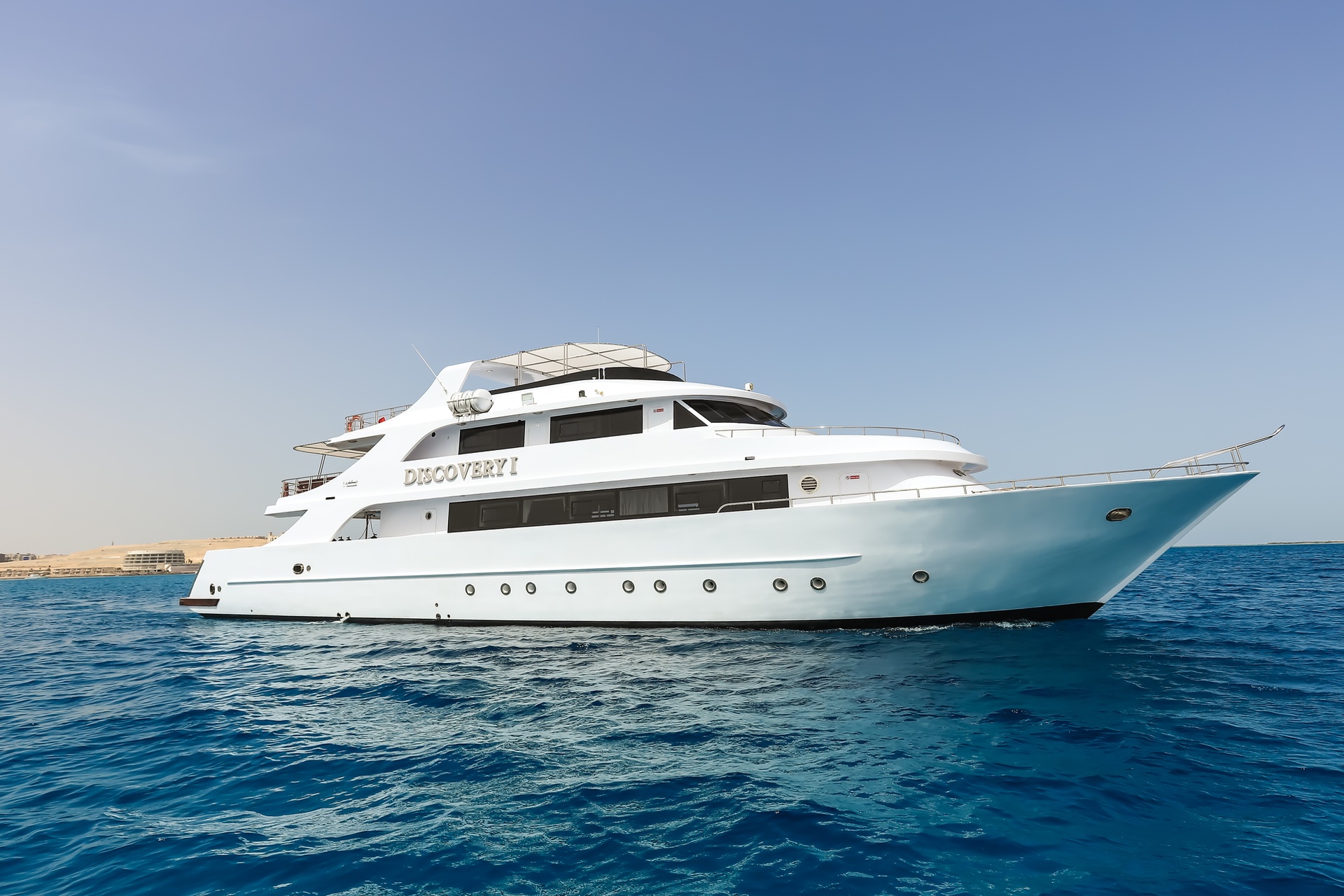 Discovery IEgypt