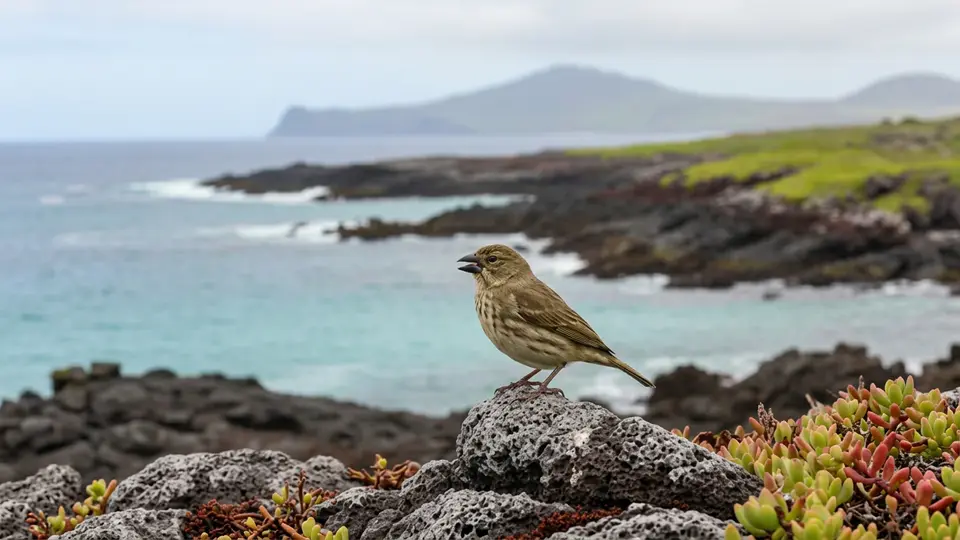
Small Tree Finch in its natural habitat

Small Tree FinchCamarhynchus parvulusWhere and when to see them

Small Tree Finch at a glance

The small tree finch is a Galapagos endemic belonging to the celebrated radiation of Darwin's finches. Despite the familiar name, these birds belong to the tanager family rather than the true finches. Its compact, curved bill is suited to collecting food from foliage and twigs. It remains relatively widespread within the archipelago, but introduced predators, habitat alteration and parasitic fly larvae create important pressures that differ among islands and habitats.

Behaviour & reproduction

Size
10-12 cm (3.9-4.7 in) long
Weight
11-16 g (0.39-0.56 oz)
Lifespan
Not reliably established
Status
Least Concern

Small tree finches search actively through shrubs and tree crowns, inspecting leaves, buds and bark for food. They may forage alongside other finches without forming tightly coordinated groups. Males sing to advertise territories and attract females, and construct domed nests with side entrances. Breeding responds strongly to rainfall and food availability, so nesting intensity and timing can vary considerably between years and between islands. Courtship displays involve the male singing vigorously near the nest site to attract a female. Both parents participate in feeding the young, bringing a steady supply of insects to the nest. Their foraging behavior is often characterized by meticulous examination of plant surfaces for small invertebrates.

Top wildlife locations

Galapagos wildlife habitat

Galapagos

Wooded visitor trails and shrub margins on occupied islands offer plausible viewing. Some productive habitat lies inland in the highlands, requiring a permitted excursion rather than observation from a beach.
Destinations describe the species' habitat, not guaranteed cruise stops. Some animals require an optional inland excursion or are found in restricted reserves.

Fun facts about the Small Tree Finch

  • Darwin's finches are classified within the tanager family.
  • Older males generally develop more extensive black head plumage.
  • Its nest is domed and entered through a side opening.
  • Larvae of the introduced fly Philornis downsi can harm nestlings.

Best time to see the Small Tree Finch

Observation is possible throughout the year at suitable accessible sites. During the broadly warmer, wetter period from December to May, rainfall can stimulate song and nesting, but local weather and annual rainfall variability prevent a fixed breeding calendar. While generally resident, local movements may occur in response to food availability, making some areas more active at certain times. The onset of the rainy season typically stimulates a burst of insect life, providing abundant food for breeding adults and their young. Peak nesting activity often aligns with these periods of increased resource abundance.

Small Tree Finch: season matrix by destination

Travel and observation windows vary by region. Highlighted months are an orientation for planning, not confirmed sightings or a guarantee of access.

Galapagos

Resident birds may be sought year-round; rain-dependent breeding and song activity should not be confused with the archipelago's general visitor season.

JanFebMarAprMayJunJulAugSepOctNovDec
Cruise ships in Galapagos

Where the Small Tree Finch lives

The species occupies wooded and scrubby habitats across several Galapagos islands, from arid-zone vegetation to humid highland forest. Trees and shrubs provide both foraging surfaces and nest sites. Its presence on an island does not imply occurrence at every coastal visitor site. They are found across a wide elevational range, from sea level up to the humid highlands above 700 meters. This species shows a preference for denser vegetation cover within its occupied habitats. Its ability to thrive in diverse ecological zones contributes to its widespread distribution.

What the Small Tree Finch eats

Small arthropods are important, including insects and larvae gleaned from vegetation. Flowers, buds, fruit and seeds supplement this diet as conditions change. The relatively modest bill handles smaller food items than the heavier bills of larger tree finches. Larvae of moths and other insects, often found on undersides of leaves, constitute a significant portion of their diet. They employ a probing foraging technique to extract hidden prey from crevices and bark. This dietary flexibility allows them to adapt to seasonal resource fluctuations.

Species at a glance

Common name
Small Tree Finch
Scientific name
Camarhynchus parvulus
Animal group
Birds
Size
10-12 cm (3.9-4.7 in) long
Weight
11-16 g (0.39-0.56 oz)
Lifespan
Not reliably established
Status
Least Concern
Identification
Compared with medium and large tree finches, the small tree finch has a smaller, less massive curved bill, although age, sex and overlap make some individuals difficult to identify confidently. The small tree finch typically exhibits duller plumage compared to ground finches, with males having a black head and upperparts contrasting with a streaky underside. Females are generally browner and more streaked overall, often lacking the distinct cap of the male. Its size and bill shape distinguish it from warbler finches, which have much finer bills.

Small Tree Finch: frequently asked questions

Where can I see the Small Tree Finch?
Galapagos. Stay on designated trails and inspect shrubs with binoculars rather than approaching nests. Never offer food or water, and follow island biosecurity procedures to avoid transporting seeds, insects or disease between sites. Focusing binoculars on the mid-story and canopy of trees can often reveal foraging individuals. Listen for their distinctive songs, which can lead you to their general location within dense foliage. Patience is key, as they can be inconspicuous while moving through vegetation.
When is the best time to see the Small Tree Finch?
Observation is possible throughout the year at suitable accessible sites. During the broadly warmer, wetter period from December to May, rainfall can stimulate song and nesting, but local weather and annual rainfall variability prevent a fixed breeding calendar. While generally resident, local movements may occur in response to food availability, making some areas more active at certain times. The onset of the rainy season typically stimulates a burst of insect life, providing abundant food for breeding adults and their young. Peak nesting activity often aligns with these periods of increased resource abundance.
How big does the Small Tree Finch get?
10-12 cm (3.9-4.7 in) long. Adult weight: 11-16 g (0.39-0.56 oz). Size varies with age, sex and population.
How should I behave around the Small Tree Finch?
Stay on designated trails and inspect shrubs with binoculars rather than approaching nests. Never offer food or water, and follow island biosecurity procedures to avoid transporting seeds, insects or disease between sites. Focusing binoculars on the mid-story and canopy of trees can often reveal foraging individuals. Listen for their distinctive songs, which can lead you to their general location within dense foliage. Patience is key, as they can be inconspicuous while moving through vegetation.
What does the Small Tree Finch eat?
Small arthropods are important, including insects and larvae gleaned from vegetation. Flowers, buds, fruit and seeds supplement this diet as conditions change. The relatively modest bill handles smaller food items than the heavier bills of larger tree finches. Larvae of moths and other insects, often found on undersides of leaves, constitute a significant portion of their diet. They employ a probing foraging technique to extract hidden prey from crevices and bark. This dietary flexibility allows them to adapt to seasonal resource fluctuations.
Are wildlife sightings guaranteed on an adventure cruise?
No. Animals move freely and routes, weather, access restrictions and local conditions influence every outing. Confirm the actual itinerary and shore program before booking.

Compare wildlife in the same destinations

Explore other birds recorded in these destinations. Similar surroundings do not mean the animals share the same habits or viewing season.

Species comparison by animal group and destination
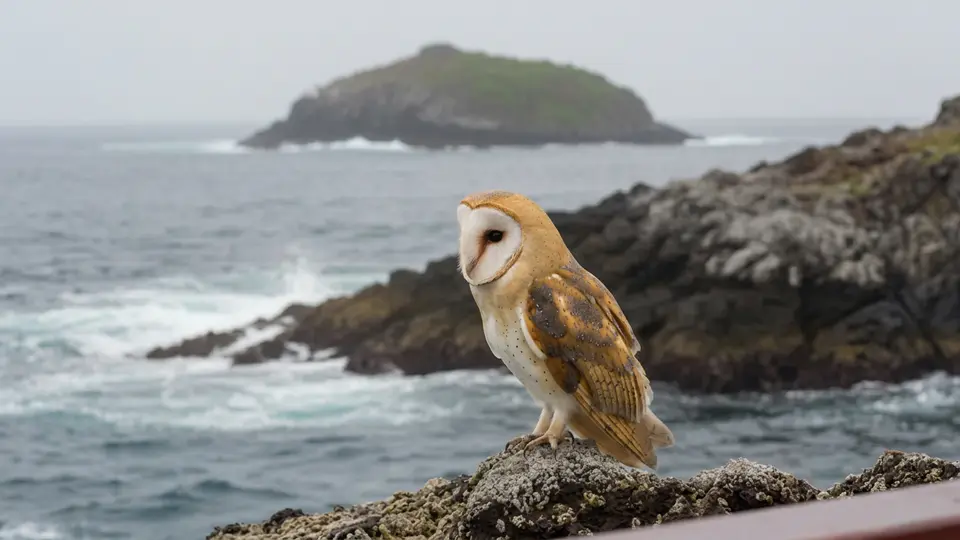
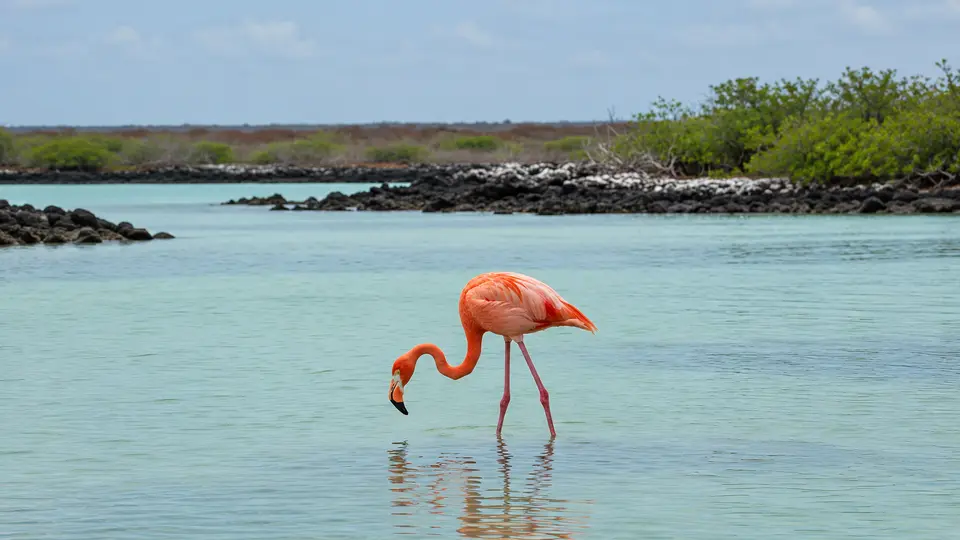
Small Tree FinchSmall Tree FinchAmerican FlamingoAmerican FlamingoBarn OwlBarn Owl
Animal groupBirdsAnimal groupBirdsAnimal groupBirds
DestinationsGalapagosDestinationsGalapagos, MexicoDestinationsGalapagos
Scientific nameCamarhynchus parvulusScientific nameScientific name
All wildlife destinations
Plan your trip

Find your next wildlife adventure

Compare destinations, shore programs and dates with the animals and habitats you would love to see.

  • Naturalist-led shore excursions
  • Responsible wildlife watching
  • Small expedition ships