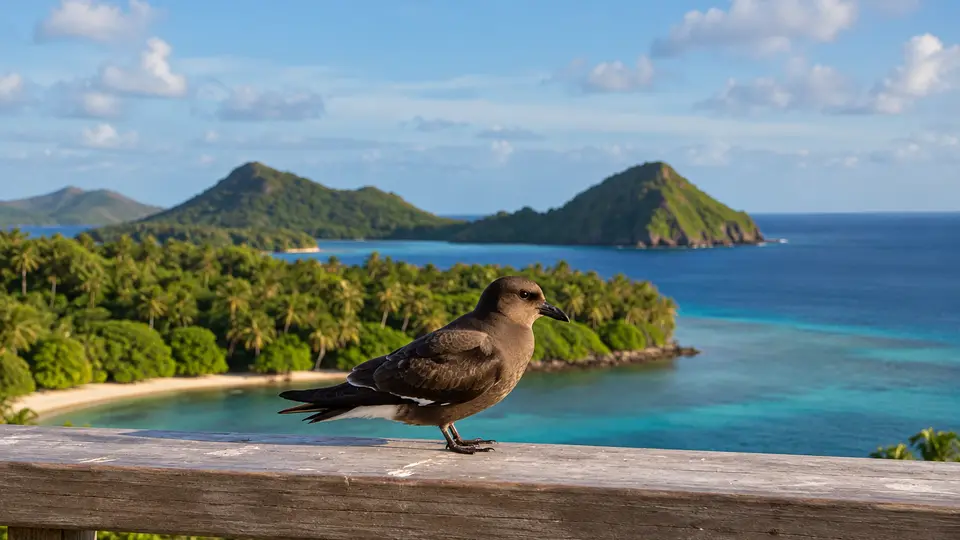
Polynesian storm petrel in its natural habitat, AI illustration

Polynesian storm petrelNesofregetta fuliginosaWhere and when to see them

Polynesian storm petrel at a glance

The Polynesian storm petrel is a relatively large, long-legged storm petrel of the tropical Pacific. Despite its name, its scattered range extends beyond Polynesia, with historical records from Fiji among other island groups. It spends most of its life at sea and comes ashore mainly to breed on remote islands. Introduced predators and the vulnerability of small nesting populations make it a serious conservation concern rather than a routine coastal sighting.

Behaviour & reproduction

Size
25–28 cm body length
Weight
Not reliably established
Lifespan
Not reliably established
Status
Endangered

At sea, this storm petrel flies low over the surface, using buoyant wingbeats and its long legs while picking up food. Birds may patter with their feet as they feed. Nesting takes place in sheltered ground cavities or crevices on remote islands, with adults generally returning under darkness. Their inconspicuous nocturnal attendance makes colonies difficult to confirm, and apparent absence from a casual daytime visit says little about breeding occupancy. Courtship displays and pair bonding likely occur at sea before birds return to their breeding islands. Once at the colony, adults are highly secretive, minimizing their above-ground activity to avoid diurnal predators. Chicks are fed regurgitated stomach oil, a high-energy food source, until they fledge and disperse to sea.

Top wildlife locations

Fiji wildlife habitat

Fiji

Distant deck views or seawatching from exposed headlands are the only appropriate visitor possibilities. Records are scarce, historical breeding information needs verification, and remote nesting habitat is not a standard shore excursion.
Destinations describe the species' habitat, not guaranteed cruise stops. Some animals require an optional inland excursion or are found in restricted reserves.

Fun facts about the Polynesian storm petrel

  • It is the only living species in the genus Nesofregetta.
  • Its broad feet contribute to a distinctive surface-pattering feeding style.
  • Plumage varies, including darker individuals that are especially challenging to identify.
  • Like other storm petrels, it lays a single egg per nesting attempt.

Best time to see the Polynesian storm petrel

A reliable Fiji shore-observation season is not established. Regional dry-season travel conditions do not demonstrate that this scarce oceanic bird will be within view of land. Planning should rely on recent verified records and specialist advice, not a presumed tropical breeding calendar. While specific breeding seasons can vary by island, most breeding activity tends to occur during the austral summer months. However, the exact timing can be asynchronous across the vast range, and birds may be present in Fiji waters year-round outside of any breeding cycle. Optimal viewing from research vessels or dedicated pelagic trips would require targeting specific oceanic foraging grounds rather than coastal areas.

Polynesian storm petrel: season matrix by destination

Travel and observation windows vary by region. Highlighted months are an orientation for planning, not confirmed sightings or a guarantee of access.

Fiji

No dependable Fiji shore-viewing window is supported; general travel seasons must not be interpreted as evidence of current presence or breeding.

JanFebMarAprMayJunJulAugSepOctNovDec
Cruise ships in Fiji

Where the Polynesian storm petrel lives

The species is primarily pelagic, using warm Pacific waters and remote islands for breeding. Nesting sites require sheltered cavities and protection from introduced predators. Accessible Fiji shorelines are not established routine viewing locations, and historical island records need contemporary verification. This species ranges across the tropical and subtropical Pacific, with a significant portion of its breeding distribution within the French Polynesian archipelago. They show a preference for small, often volcanic, uninhabited islands with dense vegetation cover or rocky terrain. The pelagic zone they frequent extends far offshore, making sightings near larger landmasses or shipping lanes uncommon.

What the Polynesian storm petrel eats

Small fish, squid and marine crustaceans are taken at or near the sea surface. Like other storm petrels, it exploits scattered oceanic food patches rather than feeding on land. Detailed diet information is limited and may vary between breeding areas and seasons. Prey items are typically snatched from the surface or just below, often involving a 'pattering' or 'walking on water' feeding technique. They are opportunistic feeders, taking advantage of upwellings or other oceanographic features that concentrate food. The diet likely includes myctophids (lanternfish) and small squid, which often rise closer to the surface at night.

Species at a glance

Common name
Polynesian storm petrel
Scientific name
Nesofregetta fuliginosa
Animal group
Birds
Size
25–28 cm body length
Weight
Not reliably established
Lifespan
Not reliably established
Status
Endangered
Identification
Its unusually long legs, broad feet, large size and pale underparts in typical birds help separate it from smaller dark storm petrels, although plumage variation complicates identification. The relatively large size for a storm petrel, along with its often pale belly and underwing coverts, are key distinguishing features. Look for its distinctive buoyant flight, often described as 'butterfly like,' which contrasts with the more direct flight of other petrel species. Its long legs often trail behind the tail in flight, a useful characteristic to observe with good optics.

Polynesian storm petrel: frequently asked questions

Where can I see the Polynesian storm petrel?
Fiji. Use binoculars from a stable deck or safe coastal headland, accepting that identification may remain uncertain. Avoid colony searches, landing attempts and bright lights that could attract or disorient nocturnal seabirds. Focus on observing groups of feeding seabirds, as storm petrels may be associated with larger flocks of shearwaters or terns. Consider using a gyroscopic binocular for improved stability and clearer views from a moving ship's deck. Patience is key, as these small birds can be difficult to spot in open ocean conditions.
When is the best time to see the Polynesian storm petrel?
A reliable Fiji shore-observation season is not established. Regional dry-season travel conditions do not demonstrate that this scarce oceanic bird will be within view of land. Planning should rely on recent verified records and specialist advice, not a presumed tropical breeding calendar. While specific breeding seasons can vary by island, most breeding activity tends to occur during the austral summer months. However, the exact timing can be asynchronous across the vast range, and birds may be present in Fiji waters year-round outside of any breeding cycle. Optimal viewing from research vessels or dedicated pelagic trips would require targeting specific oceanic foraging grounds rather than coastal areas.
How big does the Polynesian storm petrel get?
25–28 cm body length. Adult weight: Not reliably established. Size varies with age, sex and population.
How should I behave around the Polynesian storm petrel?
Use binoculars from a stable deck or safe coastal headland, accepting that identification may remain uncertain. Avoid colony searches, landing attempts and bright lights that could attract or disorient nocturnal seabirds. Focus on observing groups of feeding seabirds, as storm petrels may be associated with larger flocks of shearwaters or terns. Consider using a gyroscopic binocular for improved stability and clearer views from a moving ship's deck. Patience is key, as these small birds can be difficult to spot in open ocean conditions.
What does the Polynesian storm petrel eat?
Small fish, squid and marine crustaceans are taken at or near the sea surface. Like other storm petrels, it exploits scattered oceanic food patches rather than feeding on land. Detailed diet information is limited and may vary between breeding areas and seasons. Prey items are typically snatched from the surface or just below, often involving a 'pattering' or 'walking on water' feeding technique. They are opportunistic feeders, taking advantage of upwellings or other oceanographic features that concentrate food. The diet likely includes myctophids (lanternfish) and small squid, which often rise closer to the surface at night.
Are wildlife sightings guaranteed on an adventure cruise?
No. Animals move freely and routes, weather, access restrictions and local conditions influence every outing. Confirm the actual itinerary and shore program before booking.

Compare wildlife in the same destinations

Explore other birds recorded in these destinations. Similar surroundings do not mean the animals share the same habits or viewing season.

Species comparison by animal group and destination
Polynesian storm petrelPolynesian storm petrelBarking imperial pigeonBarking imperial pigeonBrown BoobyBrown Booby
Animal groupBirdsAnimal groupBirdsAnimal groupBirds
DestinationsFijiDestinationsFijiDestinationsCosta Rica, Cape Verde, Egypt, Fiji, Polynesia
All wildlife destinations
Plan your trip

Find your next wildlife adventure

Compare destinations, shore programs and dates with the animals and habitats you would love to see.

  • Naturalist-led shore excursions
  • Responsible wildlife watching
  • Small expedition ships

Newsletter

Take Blue Rides with you

Adventure cruise offers, last-minute deals and trip inspiration.

Free, unsubscribe anytime. Details: Privacy Policy

Partner with Blue Rides

Affiliate Program

Recommend adventure cruises and earn commission on every confirmed booking.

Share. Track. Earn.

Your footage, our stage

Send us your videos or pictures.

Captured remarkable nature or wildlife on your journey? Share it with us, we may feature it on Blue Rides.