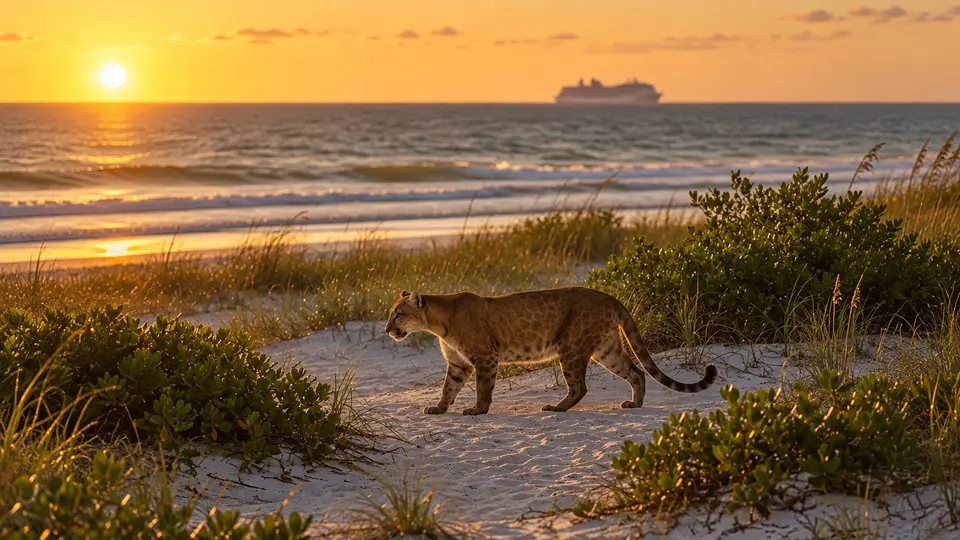
Florida Panther in its natural habitat, AI illustration

Florida PantherPuma concolorWhere and when to see them

Florida Panther at a glance

The Florida panther is the surviving southeastern United States population of the puma, concentrated in southern Florida. Historically named Puma concolor coryi, it is not a separate species, and subspecies treatments differ. This tawny, long-tailed cat needs extensive connected habitat in a landscape divided by roads and development. The Florida population is federally endangered, a designation that should not be confused with the broader species' global conservation assessment.

Behaviour & reproduction

Size
1.8–2.2 m total length
Weight
30–75 kg
Lifespan
8–15 years
Status
Assessment varies

Panthers are predominantly solitary, with adults communicating through scent marks, scrapes and vocalizations rather than regular group activity. They often travel and hunt around dusk, overnight and near dawn, resting in dense cover during daylight. Females raise kittens without male assistance and select secluded den sites. Young animals disperse in search of territories, a process that can expose them to roads, unfamiliar habitat and conflict with established adults. Panthers play a crucial role as an umbrella species; protecting their habitat benefits numerous other species sharing the same environment. Their movements are often tracked by researchers using GPS collars to understand their ecological needs and migration patterns.

Top wildlife locations

Florida wildlife habitat

Florida

An inland excursion to protected pinelands, hammocks or swamp-edge trails is required to explore panther habitat. Standard coastal stops are unsuitable, and even within occupied habitat a wild sighting is exceptionally rare.
Destinations describe the species' habitat, not guaranteed cruise stops. Some animals require an optional inland excursion or are found in restricted reserves.

Fun facts about the Florida Panther

  • Panther kittens are spotted, unlike the mostly plain-coated adults.
  • Pumas cannot roar like lions, but they can purr.
  • Female Texas pumas were introduced in 1995 to improve the population's genetic health.
  • Wildlife crossings and roadside fencing help reduce vehicle collisions.

Best time to see the Florida Panther

The cooler, generally drier months from November through April make inland wildlife walks more comfortable and some trails more accessible. This is a practical visiting window, not a panther sighting season. Wild encounters remain exceptionally uncommon at any time of year. While specific trails might be more accessible, panthers are highly elusive and even experienced field researchers rarely encounter them. Early morning or late evening often presents the best opportunities for spotting other wildlife, which can indicate a healthy panther habitat.

Florida Panther: season matrix by destination

Travel and observation windows vary by region. Highlighted months are an orientation for planning, not confirmed sightings or a guarantee of access.

Florida

Cooler, drier months favor trail access and visitor comfort, not confirmed panther sightings or a defined breeding season.

JanFebMarAprMayJunJulAugSepOctNovDec
Cruise ships in Florida

Where the Florida Panther lives

South Florida panthers use hardwood hammocks, pinelands, freshwater swamps, prairies and some working ranchlands. Dense vegetation provides cover, while drier ground supports resting and denning. These are principally inland habitats; beaches and ordinary coastal sightseeing routes are not reliable panther-viewing settings. Florida panthers require large, contiguous areas of wilderness for their survival, with individual male territories spanning hundreds of square miles. Their range has been severely reduced and fragmented due to human development and agricultural expansion.

What the Florida Panther eats

White-tailed deer and feral pigs are major prey, supplemented by raccoons, armadillos and other smaller animals. Panthers stalk quietly and ambush at close range. Their access to sufficiently abundant prey is closely linked to the extent and connectivity of suitable habitat. Their predatory role helps maintain healthy populations of their prey species by culling weaker or less fit individuals. Panthers are apex predators, sitting at the top of the food chain in their ecosystem.

Species at a glance

Common name
Florida Panther
Scientific name
Puma concolor
Animal group
Mammals
Size
1.8–2.2 m total length
Weight
30–75 kg
Lifespan
8–15 years
Status
Assessment varies
Identification
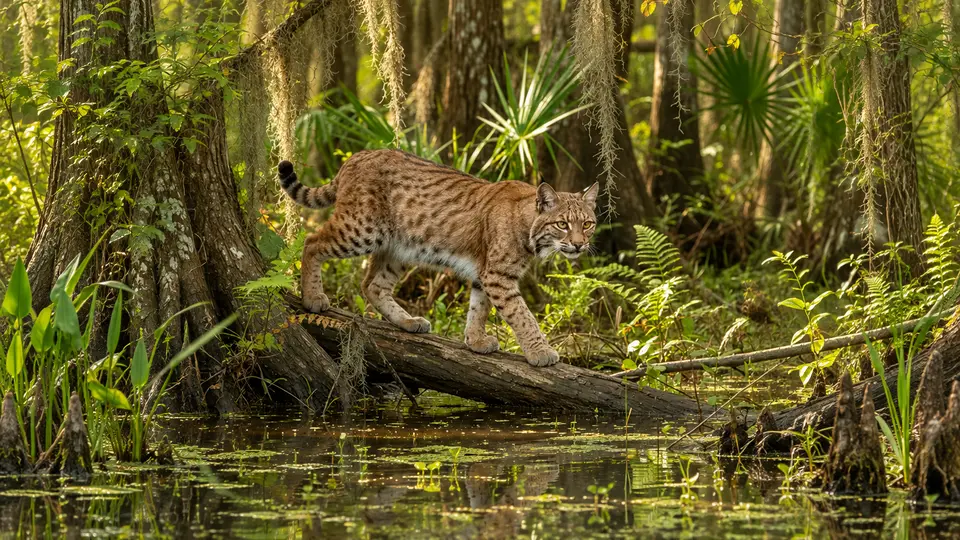
A Florida panther has a plain tawny coat and a very long tail, unlike the smaller, spotted or mottled bobcat with its short tail. Adult Florida panthers typically weigh between 70 and 160 pounds and stand about 24 to 28 inches at the shoulder. They are distinguished from other large wild felids by their uniform tan coloration and lack of spots or stripes.

Florida Panther: frequently asked questions

Where can I see the Florida Panther?
Florida. Stay on designated trails and never follow tracks into cover. If a panther appears, give it space, keep children close, do not run, and back away while facing it. Never approach kittens. Always maintain a safe distance and never attempt to feed a panther, as habituated animals can become dangerous. Report any panther sightings to park authorities, providing location and time to contribute to conservation efforts.
When is the best time to see the Florida Panther?
The cooler, generally drier months from November through April make inland wildlife walks more comfortable and some trails more accessible. This is a practical visiting window, not a panther sighting season. Wild encounters remain exceptionally uncommon at any time of year. While specific trails might be more accessible, panthers are highly elusive and even experienced field researchers rarely encounter them. Early morning or late evening often presents the best opportunities for spotting other wildlife, which can indicate a healthy panther habitat.
How big does the Florida Panther get?
1.8–2.2 m total length. Adult weight: 30–75 kg. Size varies with age, sex and population.
How should I behave around the Florida Panther?
Stay on designated trails and never follow tracks into cover. If a panther appears, give it space, keep children close, do not run, and back away while facing it. Never approach kittens. Always maintain a safe distance and never attempt to feed a panther, as habituated animals can become dangerous. Report any panther sightings to park authorities, providing location and time to contribute to conservation efforts.
What does the Florida Panther eat?
White-tailed deer and feral pigs are major prey, supplemented by raccoons, armadillos and other smaller animals. Panthers stalk quietly and ambush at close range. Their access to sufficiently abundant prey is closely linked to the extent and connectivity of suitable habitat. Their predatory role helps maintain healthy populations of their prey species by culling weaker or less fit individuals. Panthers are apex predators, sitting at the top of the food chain in their ecosystem.
Are wildlife sightings guaranteed on an adventure cruise?
No. Animals move freely and routes, weather, access restrictions and local conditions influence every outing. Confirm the actual itinerary and shore program before booking.

Compare wildlife in the same destinations

Explore other mammals recorded in these destinations. Similar surroundings do not mean the animals share the same habits or viewing season.

Species comparison by animal group and destination
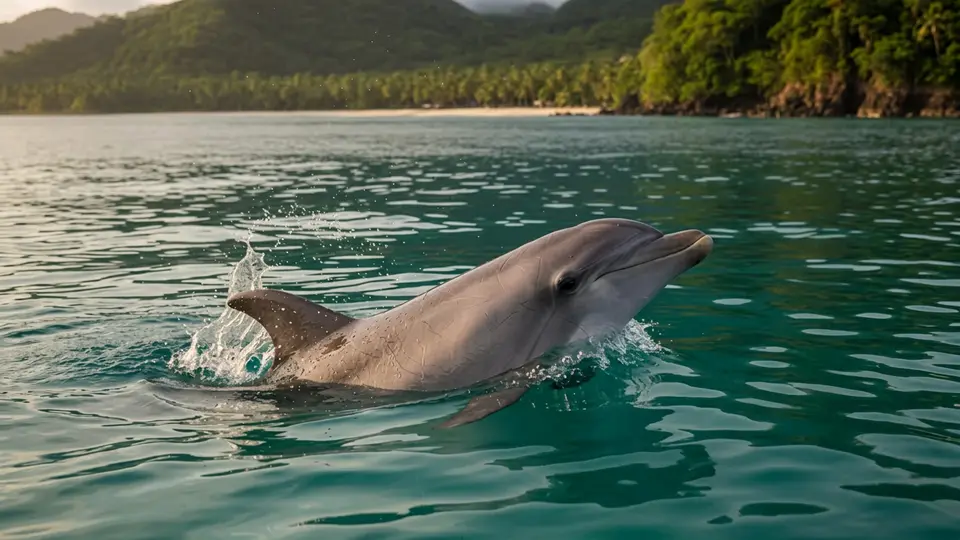
Florida PantherFlorida PantherBobcatBobcatCommon Bottlenose DolphinCommon Bottlenose Dolphin
Animal groupMammalsAnimal groupMammalsAnimal groupMammals
DestinationsFloridaDestinationsFloridaDestinationsCosta Rica, Florida, Galapagos, Mexico, Cape Verde, Croatia, Greece, Portugal, Scotland, Seychelles, Turkey, Maldives, Australia, New Zealand
All wildlife destinations
Plan your trip

Find your next wildlife adventure

Compare destinations, shore programs and dates with the animals and habitats you would love to see.

  • Naturalist-led shore excursions
  • Responsible wildlife watching
  • Small expedition ships

Newsletter

Take Blue Rides with you

Adventure cruise offers, last-minute deals and trip inspiration.

Free, unsubscribe anytime. Details: Privacy Policy

Partner with Blue Rides

Affiliate Program

Recommend adventure cruises and earn commission on every confirmed booking.

Share. Track. Earn.

Your footage, our stage

Send us your videos or pictures.

Captured remarkable nature or wildlife on your journey? Share it with us, we may feature it on Blue Rides.