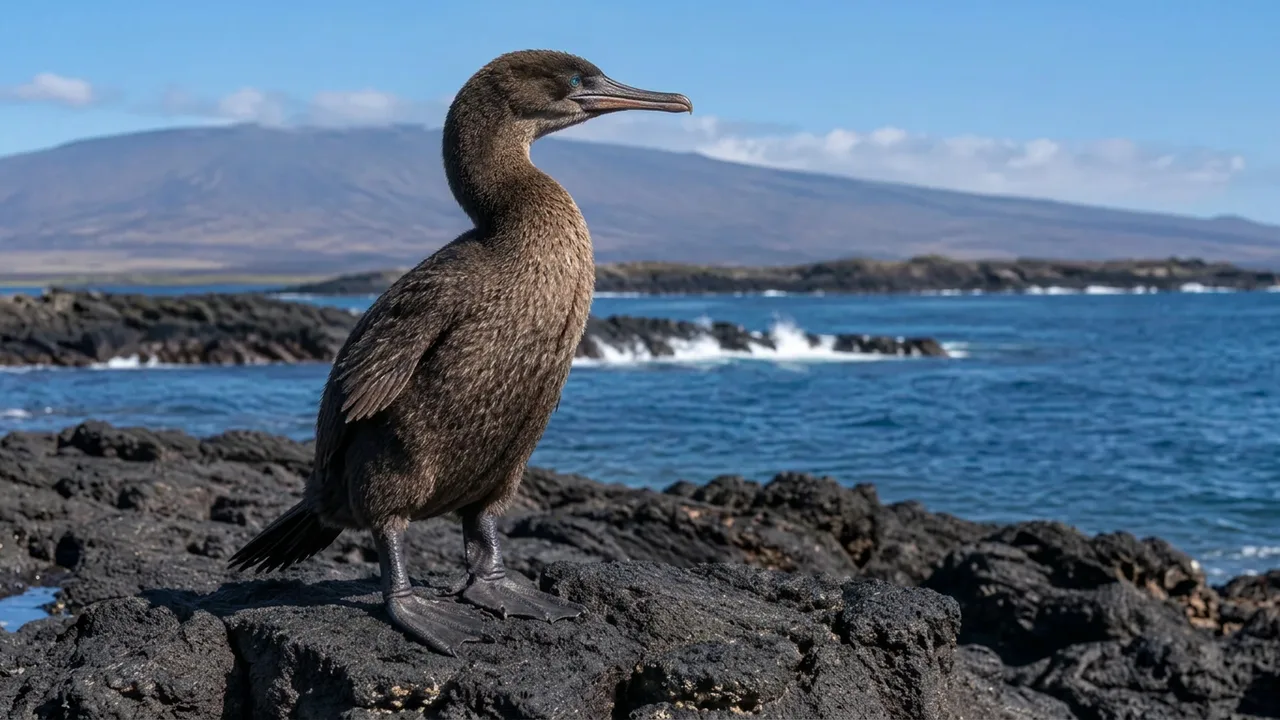
Flightless Cormorant in its natural habitat, AI illustration

Flightless CormorantNannopterum harrisiWhere and when to see them

Flightless Cormorant at a glance

The flightless cormorant is a Galápagos endemic confined to the coasts of Fernandina and western Isabela. Its small, ragged-looking wings cannot lift its heavy body into the air, but powerful legs and large feet make it an effective marine hunter. Adults have dark plumage, turquoise eyes and a hooked bill. Its exceptionally restricted distribution makes changes in ocean productivity, introduced predators and disturbance around nesting shores important conservation concerns.

Behaviour & reproduction

Size
89–100 cm long
Weight
2.5–5 kg
Lifespan
Not reliably established
Status
Vulnerable

Pairs perform courtship displays close to shore and build bulky nests from seaweed and other available material. Both parents incubate eggs and feed chicks, although females may leave a brood with the male and begin another nesting attempt. Birds rest on lava between feeding trips, sometimes holding their reduced wings outspread. They usually forage near their home coastline rather than making the long-distance movements typical of many flying seabirds. Courtship displays involve the male and female intertwining their long necks. Despite their inability to fly, they are excellent swimmers and divers, using their powerful legs and webbed feet for propulsion underwater. They spend much of their time on land, resting and digesting prey on lava outcrops where they are safe from marine predators.

Top wildlife locations

Galapagos wildlife habitat

Galapagos

Authorized western Isabela and Fernandina coastal visits offer potential views of birds on lava shores. Access depends on permitted itineraries and conditions; most other islands fall outside this species' natural range.
Destinations describe the species' habitat, not guaranteed cruise stops. Some animals require an optional inland excursion or are found in restricted reserves.

Fun facts about the Flightless Cormorant

  • It is the only living cormorant species that cannot fly.
  • Its feet, rather than its wings, provide propulsion while hunting.
  • Males are substantially heavier than females.
  • Its entire natural breeding range lies on Fernandina and Isabela.

Best time to see the Flightless Cormorant

Observation is possible throughout the year on permitted western-island itineraries. The cooler, productive period from roughly June to November often supports breeding activity, but nesting responds to food conditions rather than a fixed calendar. Strong El Niño conditions can substantially reduce breeding success. Breeding can occur at any time of year when food is abundant, sometimes allowing for multiple broods. Monitoring ocean conditions, particularly sea surface temperature and chlorophyll levels, can provide clues to potential breeding success. During strong El Niño events, warmer waters reduce the availability of their cold-water prey, impacting reproduction.

Flightless Cormorant: season matrix by destination

Travel and observation windows vary by region. Highlighted months are an orientation for planning, not confirmed sightings or a guarantee of access.

Galapagos

Year-round travel window for permitted western coastal visits, not a guarantee of access, nesting or sightings.

JanFebMarAprMayJunJulAugSepOctNovDec
Cruise ships in Galapagos

Where the Flightless Cormorant lives

This species occupies rocky volcanic shorelines, sheltered bays and adjacent shallow coastal waters. Nesting and resting sites are generally on low lava platforms close to productive feeding areas. Its natural range is restricted to two western islands, not the archipelago as a whole. Its distribution is limited almost entirely to Isabela and Fernandina islands, with very small populations on northern Santa Cruz and western Santiago. This highly restricted range is a critical factor in its conservation status. Nesting platforms provide safety from terrestrial predators and direct access to foraging grounds.

What the Flightless Cormorant eats

Flightless cormorants catch bottom-associated fish, octopuses and other marine prey, including some crustaceans. They search close to rocky seabeds using their feet for propulsion. Food availability depends strongly on the cool, nutrient-rich waters reaching the western Galápagos coastline. Its diet is almost entirely composed of fish, with eels being a common catch, alongside octopuses. They are ambush predators, often hiding among rocks before striking at prey. This specialized diet means they are highly sensitive to changes in ocean productivity.

Species at a glance

Common name
Flightless Cormorant
Scientific name
Nannopterum harrisi
Animal group
Birds
Size
89–100 cm long
Weight
2.5–5 kg
Lifespan
Not reliably established
Status
Vulnerable
Identification
Unlike flying cormorants, it combines a large dark body with conspicuously undersized wings, turquoise eyes and a strongly hooked bill. The adult's plumage is dull black dorsally and brownish ventrally, but juveniles are uniformly shiny black. Its small, ragged wings are unique among cormorants, clearly differentiating it from other seabirds. The powerful, hooked bill is adapted for grasping slippery prey underwater.

Flightless Cormorant: frequently asked questions

Where can I see the Flightless Cormorant?
Galapagos. Watch resting birds from authorized coastal paths or a vessel at a respectful distance. Never approach nests or block the route between lava resting places and the sea; use binoculars rather than moving closer. From shore, maintain a minimum distance of two meters from resting or nesting birds. On cruise ship excursions, follow your guide's instructions carefully to avoid disturbing these sensitive birds. Observing them from deck often provides excellent views of their unique swimming and foraging close to shore.
When is the best time to see the Flightless Cormorant?
Observation is possible throughout the year on permitted western-island itineraries. The cooler, productive period from roughly June to November often supports breeding activity, but nesting responds to food conditions rather than a fixed calendar. Strong El Niño conditions can substantially reduce breeding success. Breeding can occur at any time of year when food is abundant, sometimes allowing for multiple broods. Monitoring ocean conditions, particularly sea surface temperature and chlorophyll levels, can provide clues to potential breeding success. During strong El Niño events, warmer waters reduce the availability of their cold-water prey, impacting reproduction.
How big does the Flightless Cormorant get?
89–100 cm long. Adult weight: 2.5–5 kg. Size varies with age, sex and population.
How should I behave around the Flightless Cormorant?
Watch resting birds from authorized coastal paths or a vessel at a respectful distance. Never approach nests or block the route between lava resting places and the sea; use binoculars rather than moving closer. From shore, maintain a minimum distance of two meters from resting or nesting birds. On cruise ship excursions, follow your guide's instructions carefully to avoid disturbing these sensitive birds. Observing them from deck often provides excellent views of their unique swimming and foraging close to shore.
What does the Flightless Cormorant eat?
Flightless cormorants catch bottom-associated fish, octopuses and other marine prey, including some crustaceans. They search close to rocky seabeds using their feet for propulsion. Food availability depends strongly on the cool, nutrient-rich waters reaching the western Galápagos coastline. Its diet is almost entirely composed of fish, with eels being a common catch, alongside octopuses. They are ambush predators, often hiding among rocks before striking at prey. This specialized diet means they are highly sensitive to changes in ocean productivity.
Are wildlife sightings guaranteed on an adventure cruise?
No. Animals move freely and routes, weather, access restrictions and local conditions influence every outing. Confirm the actual itinerary and shore program before booking.

Compare wildlife in the same destinations

Explore other birds recorded in these destinations. Similar surroundings do not mean the animals share the same habits or viewing season.

Species comparison by animal group and destination
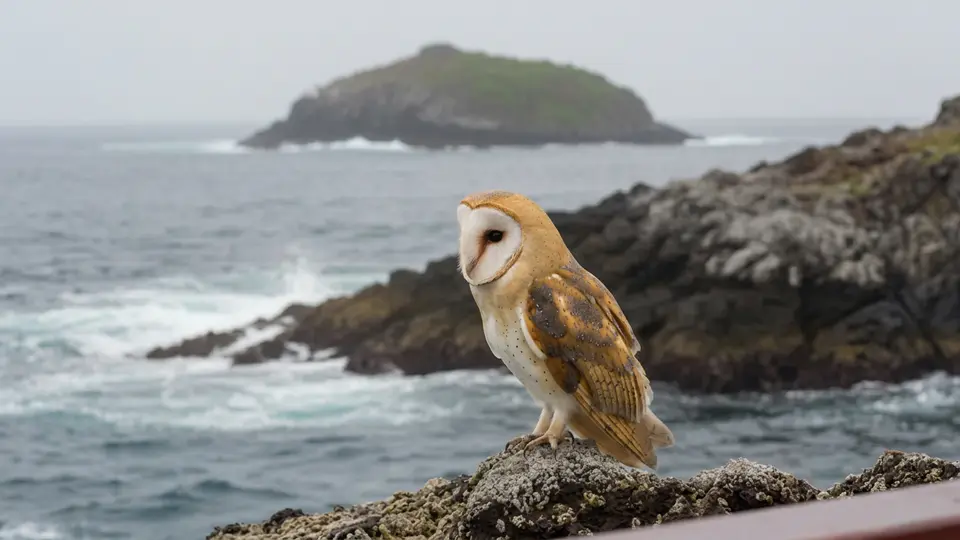
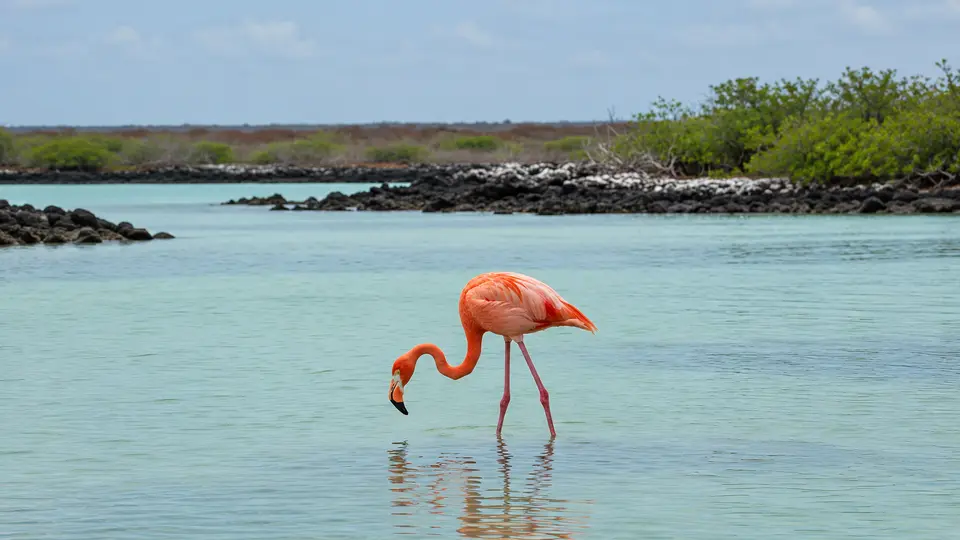
Flightless CormorantFlightless CormorantAmerican FlamingoAmerican FlamingoBarn OwlBarn Owl
Animal groupBirdsAnimal groupBirdsAnimal groupBirds
DestinationsGalapagosDestinationsGalapagos, MexicoDestinationsGalapagos
All wildlife destinations
Plan your trip

Find your next wildlife adventure

Compare destinations, shore programs and dates with the animals and habitats you would love to see.

  • Naturalist-led shore excursions
  • Responsible wildlife watching
  • Small expedition ships

Newsletter

Take Blue Rides with you

Adventure cruise offers, last-minute deals and trip inspiration.

Free, unsubscribe anytime. Details: Privacy Policy

Partner with Blue Rides

Affiliate Program

Recommend adventure cruises and earn commission on every confirmed booking.

Share. Track. Earn.

Your footage, our stage

Send us your videos or pictures.

Captured remarkable nature or wildlife on your journey? Share it with us, we may feature it on Blue Rides.