عن Blue House
موقع "بلو هاوس جاردن" هو موقع غوص فريد يقع في رواتان، هندوراس، ويشتهر بشكل خاص على عمق 60 قدمًا (18 مترًا). على الرغم من أن التفاصيل المحددة حول تضاريسه الأوسع غير موثقة بشكل جيد، إلا أنه جزء من المناظر الطبيعية المتنوعة تحت الماء في رواتان، والتي تشمل جدرانًا عمودية وشعابًا مرجانية نابضة بالحياة وتكوينات معقدة. يشتهر الموقع بخصائصه المميزة، وربما الفريدة من نوعها، التي تُذكر في روايات الغواصين. تتميز شعاب رواتان المرجانية عمومًا بتضاريس دراماتيكية مع جدران وأخاديد وشقوق، مما يدعم نظامًا بيئيًا غنيًا. تلبي الأعماق حول الجزيرة مستويات مختلفة من الغوص، حيث توفر قممًا مرجانية ضحلة وأجزاء جدارية أعمق. الحياة البحرية في جزر الخليج وفيرة، مع مجموعات متنوعة من الأسماك والإسفنج المثير للإعجاب وتكوينات مرجانية خصبة. يمكن أن تشمل المشاهدات فرس البحر، وسرطان البحر، والأخطبوط، وأسرابًا من أسماك الشعاب المرجانية الملونة. الغوص في رواتان متاح عادةً، مع وجود العديد من المواقع المناسبة لمختلف مستويات الشهادات، وغالبًا ما يتميز بدرجات حرارة مياه مريحة. في حين أن المعلومات المحددة عن التيارات في "بلو هاوس جاردن" ليست مفصلة، إلا أن مواقع الغوص في رواتان تشهد عمومًا تيارات خفيفة إلى معتدلة حسب الموقع والظروف. توفر رحلات الغوص غالبًا فرصة للقيام بغوصات متعددة يوميًا، مما يتيح وقتًا كافيًا لاستكشاف مواقع كهذه.
أبرز المعالم
حدائق فريدة تحت الماءمشهور على عمق 60 قدمًاتضاريس مرجانية متنوعةحياة بحرية وفيرةإمكانية مشاهدات فريدة من نوعها
تقويم المواسم
أفضل أشهر الغوص
يناير
فبراير
مارس
أبريل
مايو
يونيو
يوليو
أغسطس
سبتمبر
أكتوبر
نوفمبر
ديسمبر
ممتاز
جيد
بيانات موقع الغوص: Blue House
- التيار
- ضعيف إلى قوي depending on site و tide
- مدى الرؤية
- 10–40 m
- درجة حرارة الماء
- 24–31 °C
- طريقة النزول
- قارب / Live drop / Stationary
- المستوى
- جميع المستويات
- نوع الغوص
- شعاب مرجانية, جدار مرجاني, Canyon
- الغوص الليلي
- Possible (on request)
- المنطقة / الميناء
- Roatan, Bay Islands, Honduras
- الإحداثيات
- 16.3107, -86.5155
الظروف والتيارات
تيارات خليج روان في روانتان لطيفة بشكل عام، مما يوفر ظروف غوص مريحة، على الرغم من أن بعض المواقع قد تشهد تيارات أقوى، خاصة عند المد والجزر، والتي يمكن أن تكون قوية جدًا. يجب أن يكون الغواصون على دراية بأن التيارات الخارجية يمكن أن تكون خطيرة إذا لم تتم إدارتها بشكل صحيح، حيث أن السباحة عكسها قد تكون صعبة. غالبًا ما تعتمد تقنيات الدخول والخروج على القوارب، مع خيارات للدخول الثابت عند خطوط الربط أو القفز الحي لرحلات الغوص الانجرافي، اعتمادًا على الموقع. الرؤية جيدة باستمرار، وتتراوح من 10 إلى 40 مترًا، ولكن يمكن أن تنخفض خلال موسم الأمطار بسبب الرواسب المتهيجة، والتي قد تجذب على العكس الحياة البحرية الأكبر. لا تُذكر الطبقات الحرارية بشكل بارز كعامل رئيسي في المصادر الخاصة بروانتان. يجب على الغواصين دائمًا الانتباه جيدًا لإرشادات الغوص، خاصة لرحلات الغوص الانجرافي، لفهم اتجاه التيار وإجراءات الدخول/الخروج.
الحياة البحرية واحتمال المشاهدة
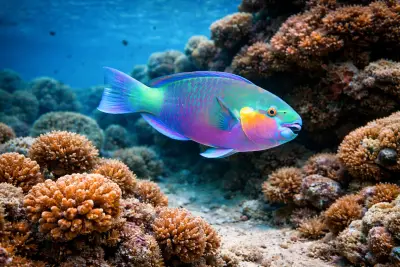
Parrotfish
شائع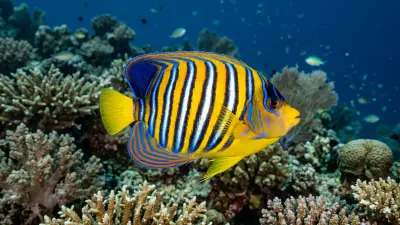
Angelfish
شائع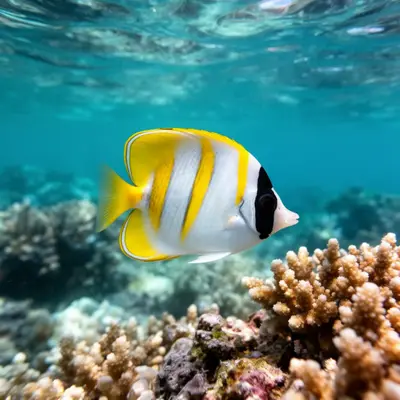
Butterflyfish
شائع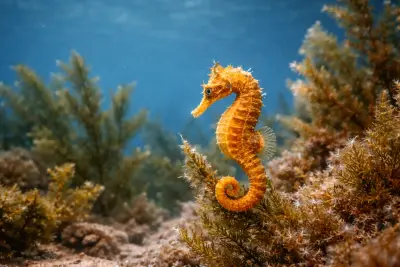
Seahorses
أحياناً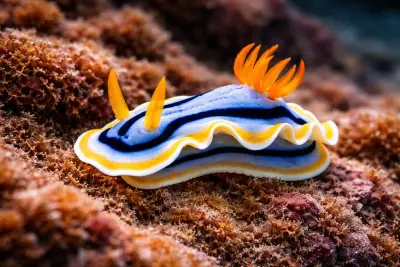
Nudibranchs
أحياناً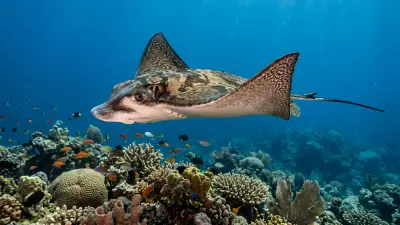
Rays
شائع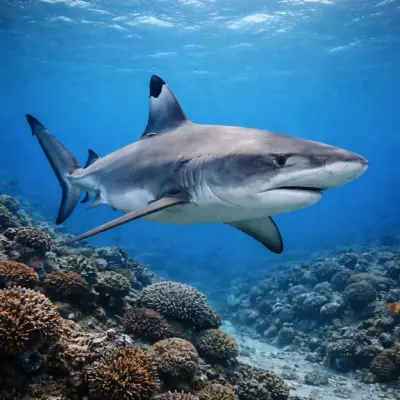
Reef sharks
أحياناً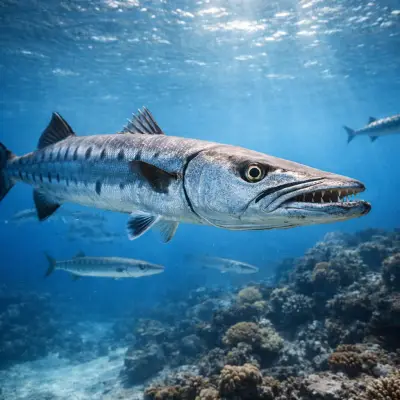
Barracudas
أحياناً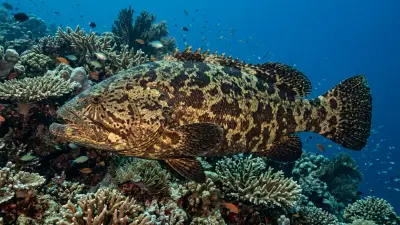
Groupers
شائع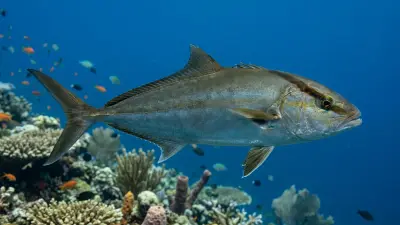
Jacks
شائع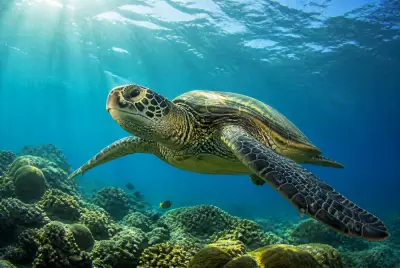
Sea turtles
أحياناً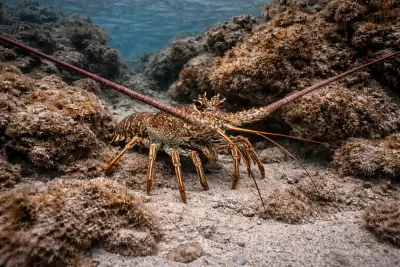
Lobsters
شائع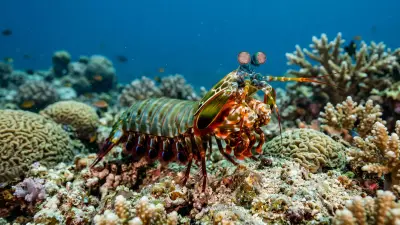
Shrimps
شائع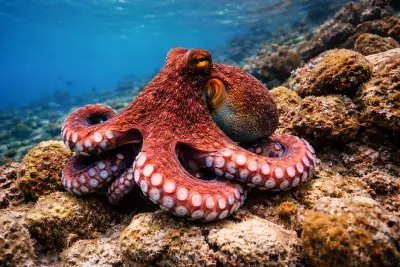
Octopus
شائعالتصوير تحت الماء
Roatan's clear waters, often exceeding 30 meters visibility, create ideal conditions for underwater photography, particularly during the dry season from March to October. Wide-angle lenses are recommended to capture the expansive coral formations, steep walls, and vibrant reef scenes characteristic of the Mesoamerican Barrier Reef. For macro subjects such as seahorses, nudibranchs, and various shrimps, a macro lens will highlight intricate details. Consistent lighting is usually available, but external strobes or video lights can enhance colors and reduce backscatter, especially in deeper areas or under overhangs. Maintaining excellent buoyancy is crucial to avoid disturbing the healthy coral and sand, ensuring respectful interaction with marine life and preserving visibility. Divers should prioritize non-invasive photography, refraining from touching or chasing animals to get a shot.
مواقع قريبة يمكن دمجها
- Satoshi’s Grave
مقبرة ساتوشي هي موقع حطام مميز يقع على الشاطئ الجنوبي لجزيرة رواتان، وبالتحديد حطام "مستر باد".
- Addie's Garden
تُعد حديقة آدي (Addie's Garden) واحدة من 350 موقعًا للغوص والغطس حول رواتان في هندوراس، ضمن منظومة الحاجز المرجاني لأمريكا الوسطى.
- Blackish Point
تعتبر Blackish Point غوصة جدار جرفي ساحلي ساحرة تقع في الجانب الشمالي من Utila، وتقدم مزيجاً فريداً من التكوينات الصخرية البركانية،…
- Butcher's Bank
Butcher's Bank هو موقع غوص مشهور في رواتان، هندوراس، ويعتبر على نطاق واسع أحد أكثر المواقع متعة في الجزيرة، خاصة للغواصين المبتدئين.
- Wreck of the Aguila
حطام الأجيلا، المعروف بمودة باسم 'النسر'، هو سفينة شحن بطول 60 مترًا (200 قدم) تم إغراقها عمدًا في عام 1997 لتكوين شعاب مرجانية صناعية ضمن…
- Al's Garden
يُعد موقع "حديقة آل" (Al's Garden) أحد مواقع الغوص البارزة في رواتان، وهي جزء من جزر الخليج في هندوراس، وهي منطقة تشتهر بتضاريسها المائية…
الوصول والترتيبات
Roatan is accessible via international flights to Juan Manuel Gálvez International Airport (RTB). Dive trips typically involve day boat excursions from various resorts and dive centers located along the island's West Bay, West End, and Sandy Bay areas. A common dive schedule includes a two-tank morning dive returning around noon, followed by an optional single-tank afternoon dive. Night dives can also be arranged with a minimum of four divers and 48-hour notice. Roatan Marine Park fees apply, often purchased as a $10 annual bracelet, which contributes to reef protection. Liveaboards also operate in the Bay Islands, offering broader access to the region. The island's dive operations emphasize short boat rides to sites, with many locations just minutes from shore.
السلامة والبيئة
Roatan Dive Center maintains a strong emphasis on diver safety, carrying DAN oxygen and first aid kits on all boats. Divers are expected to adhere to a responsible diver code, including maintaining excellent buoyancy, not touching corals or marine life, and using designated entry/exit points. Emergency evacuation protocols typically involve local medical facilities, with the nearest recompression chamber likely on the island or nearby. Divers are advised to have comprehensive dive insurance. Site-specific hazards include potentially strong currents, particularly when tides are moving in or out, which requires careful attention during dive briefings. Divers should always plan conservative dive profiles, including a 3 to 5-minute safety stop, and manage air consumption effectively, with maximum bottom times typically around 60 minutes.
لمن يناسب — ولمن لا
مناسب لـ
- New divers and those undergoing training
- Underwater photographers seeking clear water and varied subjects
- Families and mixed groups with snorkelers
- Divers desiring a relaxed, multi-dive day
- Those who appreciate healthy coral reefs
أقل مناسبة لـ
- Divers seeking extreme or highly challenging currents on every dive
- Those uninterested in reef ecology and conservation
- Budget travelers during peak season (December-February)
- Divers who prefer solitary dive experiences (can be crowded at peak times)
الأسئلة الشائعة
أسئلة شائعة عن Blue House
What marine life can I expect to see at dive sites around Roatan?
Dive sites in Roatan are rich with Caribbean marine life. You can commonly spot parrotfish, angelfish, butterflyfish, and various schools of jacks. Smaller creatures like seahorses and nudibranchs are present, alongside larger animals such as rays, groupers, barracudas, and occasional reef sharks and sea turtles. Lobsters, shrimps, and octopus are also guaranteed sightings at some locations.
What are the typical water temperatures and visibility conditions in Roatan?
Water temperatures in Roatan generally range from highs of 29-31°C from June through October, and lows of 24-27°C from January to April, with some January temperatures dropping to 22°C. Visibility is consistently good year-round, typically ranging from 10 to 40 meters, though it can extend to 36 meters during the dry season (March to May) and may reduce slightly during the rainy season.
Are there strong currents, and what do I need to know about them?
While many Roatan sites feature gentle conditions, some areas can experience very strong currents, particularly during tidal changes. Outgoing currents, in particular, can be dangerous as swimming against them is difficult. Dive briefings are essential for understanding specific current directions and appropriate entry, navigation, and exit procedures, especially for drift dives.
What are the best months to visit Roatan for diving?
Roatan is considered an excellent year-round diving destination. March through October, the dry season, offers warmer waters and the best visibility, often exceeding 30 meters, making it ideal for photographers. The wet season, November through February, still provides great diving, with the added potential for larger marine life attracted by stirred-up sediments, despite some rainfall.
How are dive trips typically organized in Roatan?
Most dive operations in Roatan offer two-tank morning dives, returning to shore around noon, followed by an optional single-tank afternoon dive. Night dives are available upon request, usually requiring a minimum of four divers and advance notice. Dive sites are typically chosen based on daily conditions and diver preferences, with an emphasis on short boat rides to minimize travel time.
What kind of dive training or experience is recommended for Roatan?
Roatan is suitable for divers of all levels, from beginners to experienced individuals. The generally calm conditions and healthy reefs make it an ideal location for new divers and those seeking training. However, experience with currents can be beneficial for certain sites, and advanced certifications may open up opportunities for deeper or more challenging dives.
لماذا الغوص في Blue House عبر لايف أبورد؟
Blue House من أبرز مواقع الغوص في هندوراس. يوفر اللايف أبورد إقامة على الماء و3 إلى 4 غوصات يومياً مع مرشد، بما فيها غوصات الفجر والليل التي نادراً ما تقدمها قوارب اليوم الواحد. توفّر العودة اليومية إلى الميناء وتصل إلى مواقع أهدأ في نفس المنطقة في رحلة واحدة.
فيما يلي قوارب اللايف أبورد التي تشمل Blue House في برامجها عبر هندوراس.
قوارب اللايف أبورد إلى Blue House
These liveaboards may visit Blue House on selected itineraries — the exact dive sites depend on departure, weather and conditions.
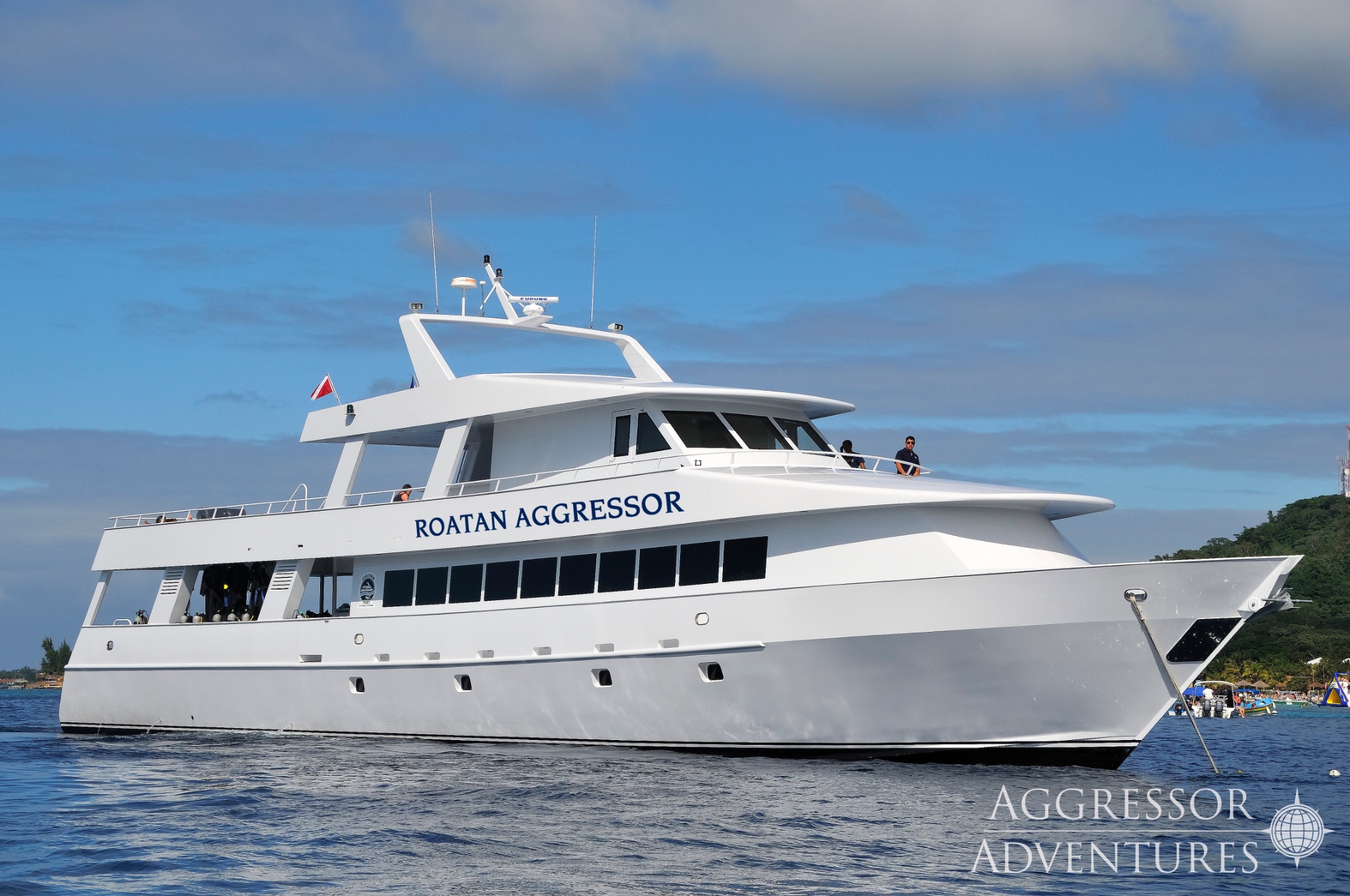
Roatan Aggressor
هندوراس
18 ضيوف31.1 m
د.إ1,134/يوم
مواقع غوص مشابهة لـ Blue House
الطابع نفسه والمياه نفسها — ستة مواقع أخرى يحبها الغواصون للأسباب ذاتها.قارن المواسم والوصول ومسارات الليفابورد، ثم اختر الموقع الأنسب لرحلتك.
© Esri — Maxar, Earthstar, GIS
مقبرة ساتوشي
هندوراس
مقبرة ساتوشي هي موقع حطام مميز يقع على الشاطئ الجنوبي لجزيرة رواتان، وبالتحديد حطام "مستر باد".
- مناسب لـ
- مبتدئ
- التيار
- معتدل
- الوصول
- رحلة غوص أو قارب يومي
- العمق
- 18–18 m
- الموضوع
- حطام / شعاب مرجانية
تُعد حديقة آدي (Addie's Garden) واحدة من 350 موقعًا للغوص والغطس حول رواتان في هندوراس، ضمن منظومة الحاجز المرجاني لأمريكا الوسطى.
- مناسب لـ
- متوسط
- التيار
- معتدل
- الوصول
- رحلة غوص أو قارب يومي
- العمق
- 5–30 m
- الموضوع
- شعاب مرجانية
مطبخ ماري (Marie's Kitchen) هو موقع غوص يقع حول جزر الخليج في هندوراس. تعد المنطقة جزءًا من نظام الحاجز المرجاني لأمريكا الوسطى، وهو ثاني أكبر حاجز مرجاني في العالم، مما يجذب مجموعة واسعة من الحياة البحرية.
- مناسب لـ
- متوسط
- التيار
- معتدل
- الوصول
- رحلة غوص أو قارب يومي
- العمق
- 5–30 m
- الموضوع
- شعاب مرجانية
© Esri — Maxar, Earthstar, GIS
بنك بوتشرز
هندوراس
Butcher's Bank هو موقع غوص مشهور في رواتان، هندوراس، ويعتبر على نطاق واسع أحد أكثر المواقع متعة في الجزيرة، خاصة للغواصين المبتدئين.
- مناسب لـ
- مبتدئ
- التيار
- ضعيف
- الوصول
- قارب يومي
- العمق
- 12–18 m
- الموضوع
- شعاب مرجانية
© Esri — Maxar, Earthstar, GIS
حطام الأجيلا
هندوراس
حطام الأجيلا، المعروف بمودة باسم 'النسر'، هو سفينة شحن بطول 60 مترًا (200 قدم) تم إغراقها عمدًا في عام 1997 لتكوين شعاب مرجانية صناعية ضمن حدود الغوص الترفيهي.
- مناسب لـ
- متوسط
- التيار
- ضعيف
- الوصول
- قارب يومي
- العمق
- 20–33 m
- الموضوع
- حطام / شعاب مرجانية
يُعد موقع "حديقة آل" (Al's Garden) أحد مواقع الغوص البارزة في رواتان، وهي جزء من جزر الخليج في هندوراس، وهي منطقة تشتهر بتضاريسها المائية النابضة بالحياة وأنظمتها البيئية البحرية المتنوعة.
- مناسب لـ
- متوسط
- التيار
- معتدل
- الوصول
- رحلة غوص أو قارب يومي
- العمق
- 9–40 m
- الموضوع
- شعاب مرجانية