O Blue House
Blue House Garden to wyjątkowe miejsce nurkowe na wyspie Roatan w Hondurasie, znane szczególnie z głębokości 60 stóp (18 metrów). Chociaż szczegółowe informacje na temat jego szerszej topografii nie są szeroko udokumentowane, jest to część zróżnicowanego podwodnego krajobrazu Roatanu, który obejmuje strome ściany, tętniące życiem rafy i skomplikowane formacje. Miejsce to jest rozpoznawane dzięki swojej charakterystycznej, być może nieco fantazyjnej, cesze wspomnianej w relacjach nurków. Rafy Roatanu charakteryzują się zazwyczaj dramatyczną topografią ze ścianami, kanionami i szczelinami, które wspierają bogaty ekosystem. Głębokości wokół wyspy są odpowiednie dla nurków o różnym stopniu zaawansowania, oferując zarówno płytkie szczyty raf, jak i głębsze odcinki ścian. Życie morskie na Wyspach Zatokowych jest obfite, z różnorodnymi populacjami ryb, imponującymi gąbkami i bujnymi formacjami koralowymi. Można tu spotkać koniki morskie, homary, ośmiornice oraz ławice kolorowych ryb rafowych. Nurkowanie na Roatanie jest zazwyczaj łatwo dostępne, a wiele miejsc jest odpowiednich dla różnych poziomów certyfikacji, często charakteryzujących się komfortową temperaturą wody. Chociaż szczegółowe informacje o prądach w Blue House Garden nie są dostępne, miejsca nurkowe na Roatanie generalnie doświadczają łagodnych do umiarkowanych prądów w zależności od lokalizacji i warunków. Rejsy typu safari nurkowe często umożliwiają wielokrotne nurkowania w ciągu dnia, dając wiele okazji do odkrywania takich miejsc.
Najważniejsze
Wyjątkowe podwodne ogrodyZnane z głębokości 18 metrówZróżnicowana topografia rafyBogactwo życia morskiegoMożliwość fantazyjnych spotkań
Kalendarz sezonów
Najlepsze miesiące na nurkowanie
Sty
Lut
Mar
Kwi
Maj
Cze
Lip
Sie
Wrz
Paź
Lis
Gru
Doskonały
Dobry
Fakty o dive site: Blue House
- Prąd
- Słaby do Silny depending on site i tide
- Widoczność
- 10–40 m
- Temperatura wody
- 24–31 °C
- Wejście do wody
- Łódź / Live drop / Stationary
- Poziom
- Wszystkie poziomy
- Rodzaj nurkowania
- Rafa, Ściana, Canyon
- Nurkowanie nocne
- Possible (on request)
- Region / port
- Roatan, Bay Islands, Honduras
- Współrzędne
- 16.3107, -86.5155
Warunki i prądy
Prądy w Roatan są zazwyczaj łagodne, co sprzyja relaksującym warunkom do nurkowania, choć niektóre miejsca mogą doświadczać silniejszych prądów, szczególnie podczas przypływów lub odpływów, które mogą być bardzo intensywne. Nurkowie powinni być świadomi, że prądy odpływowe mogą być niebezpieczne, jeśli nie są odpowiednio zarządzane, ponieważ pływanie pod prąd może być trudne. Techniki wejścia i wyjścia są często oparte na łodzi, z opcjami stacjonarnych wejść przy linach cumowniczych lub skoków z łodzi na dryf, w zależności od miejsca. Widoczność jest niezmiennie dobra, wahając się od 10 do 40 metrów, ale może być zmniejszona podczas pory deszczowej z powodu wzburzonych osadów, co z kolei może przyciągnąć większe życie morskie. Termokliny nie są wyraźnie wymieniane jako główny czynnik w źródłach dla Roatan. Nurkowie powinni zawsze zwracać szczególną uwagę na briefingi nurkowe, zwłaszcza w przypadku nurkowań dryfowych, aby zrozumieć kierunek prądu oraz procedury wejścia/wyjścia.
Życie morskie i szanse na spotkanie

Parrotfish
często
Angelfish
często
Butterflyfish
często
Seahorses
czasami
Nudibranchs
czasami
Rays
często
Reef sharks
czasami
Barracudas
czasami
Groupers
często
Jacks
często
Sea turtles
czasami
Lobsters
często
Shrimps
często
Octopus
częstoFotografia podwodna
Roatan's clear waters, often exceeding 30 meters visibility, create ideal conditions for underwater photography, particularly during the dry season from March to October. Wide-angle lenses are recommended to capture the expansive coral formations, steep walls, and vibrant reef scenes characteristic of the Mesoamerican Barrier Reef. For macro subjects such as seahorses, nudibranchs, and various shrimps, a macro lens will highlight intricate details. Consistent lighting is usually available, but external strobes or video lights can enhance colors and reduce backscatter, especially in deeper areas or under overhangs. Maintaining excellent buoyancy is crucial to avoid disturbing the healthy coral and sand, ensuring respectful interaction with marine life and preserving visibility. Divers should prioritize non-invasive photography, refraining from touching or chasing animals to get a shot.
Połącz z tymi miejscówkami
- Satoshi’s Grave
Grób Satoshi’ego to wyjątkowe miejsce wraku na południowym wybrzeżu Roatánu, konkretnie wrak Mr.
- Addie's Garden
Addie's Garden to jedno z 350 miejsc do nurkowania i snorkelingu wokół Roatan w Hondurasie, w obrębie Mezoamerykańskiego Systemu Raf…
- Blackish Point
Blackish Point, położony na północnej stronie Utili w Hondurasie, to fascynujące nurkowanie dryfowe wzdłuż ściany, które przyciąga…
- Butcher's Bank
Butcher's Bank to słynne miejsce nurkowe w Roatanie, Hondurasie, powszechnie uważane za jedno z najprzyjemniejszych na wyspie, szczególnie…
- Wreck of the Aguila
Wrak Aguila, pieszczotliwie nazywany „Orłem”, to 60-metrowy statek towarowy, celowo zatopiony w 1997 roku, aby stworzyć sztuczną rafę w…
- Al's Garden
Al's Garden to godne uwagi miejsce nurkowe na Roatan, części honduraskich Wysp Zatokowych, regionu słynącego z tętniącej życiem podwodnej…
Dojazd i logistyka
Roatan is accessible via international flights to Juan Manuel Gálvez International Airport (RTB). Dive trips typically involve day boat excursions from various resorts and dive centers located along the island's West Bay, West End, and Sandy Bay areas. A common dive schedule includes a two-tank morning dive returning around noon, followed by an optional single-tank afternoon dive. Night dives can also be arranged with a minimum of four divers and 48-hour notice. Roatan Marine Park fees apply, often purchased as a $10 annual bracelet, which contributes to reef protection. Liveaboards also operate in the Bay Islands, offering broader access to the region. The island's dive operations emphasize short boat rides to sites, with many locations just minutes from shore.
Bezpieczeństwo i środowisko
Roatan Dive Center maintains a strong emphasis on diver safety, carrying DAN oxygen and first aid kits on all boats. Divers are expected to adhere to a responsible diver code, including maintaining excellent buoyancy, not touching corals or marine life, and using designated entry/exit points. Emergency evacuation protocols typically involve local medical facilities, with the nearest recompression chamber likely on the island or nearby. Divers are advised to have comprehensive dive insurance. Site-specific hazards include potentially strong currents, particularly when tides are moving in or out, which requires careful attention during dive briefings. Divers should always plan conservative dive profiles, including a 3 to 5-minute safety stop, and manage air consumption effectively, with maximum bottom times typically around 60 minutes.
Dla kogo — a dla kogo nie
Odpowiednie dla
- New divers and those undergoing training
- Underwater photographers seeking clear water and varied subjects
- Families and mixed groups with snorkelers
- Divers desiring a relaxed, multi-dive day
- Those who appreciate healthy coral reefs
Mniej odpowiednie dla
- Divers seeking extreme or highly challenging currents on every dive
- Those uninterested in reef ecology and conservation
- Budget travelers during peak season (December-February)
- Divers who prefer solitary dive experiences (can be crowded at peak times)
Częste pytania
Blue House — najczęstsze pytania
What marine life can I expect to see at dive sites around Roatan?
Dive sites in Roatan are rich with Caribbean marine life. You can commonly spot parrotfish, angelfish, butterflyfish, and various schools of jacks. Smaller creatures like seahorses and nudibranchs are present, alongside larger animals such as rays, groupers, barracudas, and occasional reef sharks and sea turtles. Lobsters, shrimps, and octopus are also guaranteed sightings at some locations.
What are the typical water temperatures and visibility conditions in Roatan?
Water temperatures in Roatan generally range from highs of 29-31°C from June through October, and lows of 24-27°C from January to April, with some January temperatures dropping to 22°C. Visibility is consistently good year-round, typically ranging from 10 to 40 meters, though it can extend to 36 meters during the dry season (March to May) and may reduce slightly during the rainy season.
Are there strong currents, and what do I need to know about them?
While many Roatan sites feature gentle conditions, some areas can experience very strong currents, particularly during tidal changes. Outgoing currents, in particular, can be dangerous as swimming against them is difficult. Dive briefings are essential for understanding specific current directions and appropriate entry, navigation, and exit procedures, especially for drift dives.
What are the best months to visit Roatan for diving?
Roatan is considered an excellent year-round diving destination. March through October, the dry season, offers warmer waters and the best visibility, often exceeding 30 meters, making it ideal for photographers. The wet season, November through February, still provides great diving, with the added potential for larger marine life attracted by stirred-up sediments, despite some rainfall.
How are dive trips typically organized in Roatan?
Most dive operations in Roatan offer two-tank morning dives, returning to shore around noon, followed by an optional single-tank afternoon dive. Night dives are available upon request, usually requiring a minimum of four divers and advance notice. Dive sites are typically chosen based on daily conditions and diver preferences, with an emphasis on short boat rides to minimize travel time.
What kind of dive training or experience is recommended for Roatan?
Roatan is suitable for divers of all levels, from beginners to experienced individuals. The generally calm conditions and healthy reefs make it an ideal location for new divers and those seeking training. However, experience with currents can be beneficial for certain sites, and advanced certifications may open up opportunities for deeper or more challenging dives.
Dlaczego nurkować Blue House z liveaboardu?
Blue House to jedno z ikonicznych miejsc nurkowych w Honduras. Liveaboard zapewnia nocleg na wodzie i 3–4 prowadzone nurkowania dziennie, w tym świtowe i nocne, których łodzie dzienne rzadko oferują. Unikasz codziennego powrotu do portu i w jednej podróży docierasz do spokojniejszych miejsc w tym samym regionie.
Poniżej liveaboardy, które uwzględniają Blue House w swoich trasach po Honduras.
Liveaboardy do Blue House
Te safari nurkowe mogą odwiedzać Blue House na wybranych trasach — konkretne miejsca zależą od terminu, pogody i warunków.
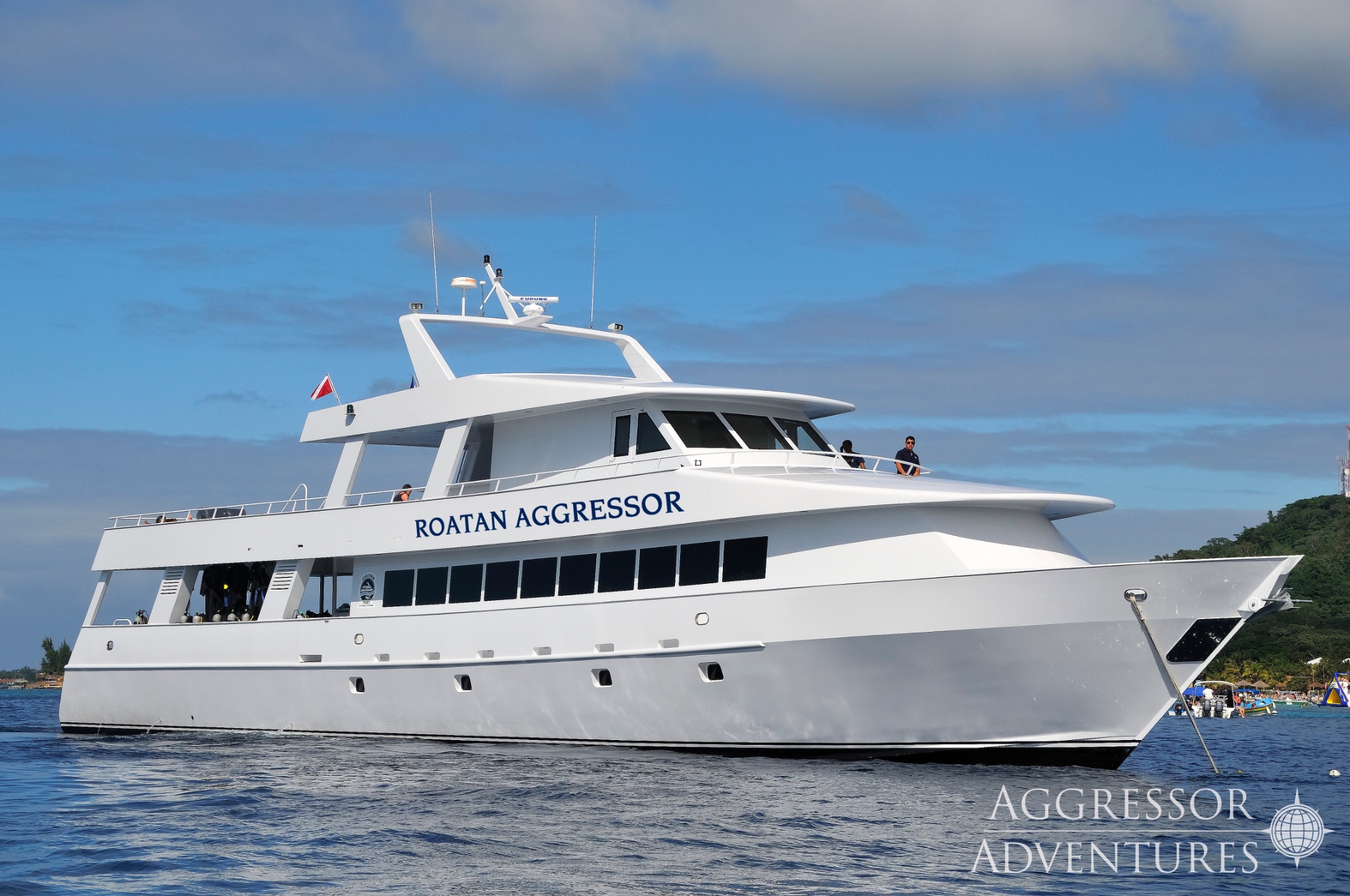
Roatan Aggressor
Honduras
18 gości31.1 m
€252/dzień
Miejsca nurkowe podobne do Blue House
Ten sam charakter, te same wody — sześć miejsc kochanych z tych samych powodów.Porównaj sezony, dostęp i trasy liveaboardów, a następnie wybierz miejsce najlepiej pasujące do Twojej podróży.
© Esri — Maxar, Earthstar, GIS
Grób Satoshi’ego
Honduras
Grób Satoshi’ego to wyjątkowe miejsce wraku na południowym wybrzeżu Roatánu, konkretnie wrak Mr. Bud.
- Odpowiednie dla
- Początkujący
- Prąd
- Umiarkowany
- Dostęp
- Safari lub łódź dzienna
- Głębokość
- 18–18 m
- Temat
- Wrak / Rafa
© Esri — Maxar, Earthstar, GIS
Addie's Garden
Honduras
Addie's Garden to jedno z 350 miejsc do nurkowania i snorkelingu wokół Roatan w Hondurasie, w obrębie Mezoamerykańskiego Systemu Raf Barierowych.
- Odpowiednie dla
- Średnio zaawansowany
- Prąd
- Umiarkowany
- Dostęp
- Safari lub łódź dzienna
- Głębokość
- 5–30 m
- Temat
- Rafa
© Esri — Maxar, Earthstar, GIS
Marie's Kitchen
Honduras
Marie's Kitchen to miejsce nurkowe położone w pobliżu Bay Islands w Hondurasie.
- Odpowiednie dla
- Średnio zaawansowany
- Prąd
- Umiarkowany
- Dostęp
- Safari lub łódź dzienna
- Głębokość
- 5–30 m
- Temat
- Rafa
© Esri — Maxar, Earthstar, GIS
Butcher's Bank
Honduras
Butcher's Bank to słynne miejsce nurkowe w Roatanie, Hondurasie, powszechnie uważane za jedno z najprzyjemniejszych na wyspie, szczególnie dla początkujących nurków. Położone…
- Odpowiednie dla
- Początkujący
- Prąd
- Słaby
- Dostęp
- Łódź dzienna
- Głębokość
- 12–18 m
- Temat
- Rafa
© Esri — Maxar, Earthstar, GIS
Wrak Aguila
Honduras
Wrak Aguila, pieszczotliwie nazywany „Orłem”, to 60-metrowy statek towarowy, celowo zatopiony w 1997 roku, aby stworzyć sztuczną rafę w granicach nurkowania rekreacyjnego.
- Odpowiednie dla
- Średnio zaawansowany
- Prąd
- Słaby
- Dostęp
- Łódź dzienna
- Głębokość
- 20–33 m
- Temat
- Wrak / Rafa
Al's Garden to godne uwagi miejsce nurkowe na Roatan, części honduraskich Wysp Zatokowych, regionu słynącego z tętniącej życiem podwodnej topografii i zróżnicowanych ekosystemów morskich.
- Odpowiednie dla
- Średnio zaawansowany
- Prąd
- Umiarkowany
- Dostęp
- Safari lub łódź dzienna
- Głębokość
- 9–40 m
- Temat
- Rafa