について Marianne
South Marianne Island is a highly regarded dive location situated in the Seychelles, accessible from either Praslin or La Digue islands. This site is celebrated for its distinctive underwater landscape, which features impressive granite formations including caves, large boulders, and prominent pinnacles, creating a dramatic and complex environment for exploration. The topography facilitates a dynamic dive experience, where divers can navigate through these natural structures. The site is particularly renowned for its rich pelagic life, drawing in various shark species. Strong currents are a defining characteristic, making drift diving a popular method to experience the site's expansive features and diverse marine encounters. Divers frequently encounter an abundance of pelagic species, including multiple types of sharks and eagle rays. Other common sightings include Hawksbill turtles, guitarfish, and giant moray eels. The site also boasts large shivers of grey reef sharks, making shark encounters a highlight. Due to the significant currents and the nature of the dive, South Marianne Island is best suited for advanced divers. The prevailing conditions necessitate experience with drift diving techniques. The site is generally unavailable for diving during June, July, and August because of unfavorable sea conditions, indicating that other months offer better opportunities.
ハイライト
ユニークな花崗岩の地形水中の洞窟と巨岩多様な種類のサメオグロメジロザメの大きな群れマダラトビエイタイマイ巨大なウツボドリフトダイビング体験
シーズンカレンダー
ダイビングに最適な月
1月
2月
3月
4月
5月
6月
7月
8月
9月
10月
11月
12月
最適
良好
ダイブサイト データ: Marianne
- 流れ
- 中程度
- 透明度
- 15-40 m
- 水温
- 26-29°C
- エントリー
- ライブアボードのみ
- レベル
- 上級
- ダイブタイプ
- ウォール, レック
- 地域 / 港
- Belize
- 座標
- 18.5721° N, 87.2796° W
コンディションと流れ
サウス・マリアンヌ島は強い潮流が特徴で、ドリフトダイビングに最適な場所です。ダイバーは激しい水の動きに備える必要があり、優れた浮力コントロールと潮流の中でのダイビングに慣れていることが求められます。エントリーは通常、ボートから直接ドロップする形で行われ、ダイバーは潮流に乗って移動し、下流でピックアップされます。水面のコンディションもこの潮流の影響を受けることがあり、6月から8月にかけては海況が悪化し、サイトが利用できなくなることがよくあります。このサイトは、挑戦的な潮流環境を管理し、ガス計画やダイビングの安全性への影響を理解するのに必要な経験を持つ上級ダイバーに特におすすめです。
海洋生物と遭遇率

Whale shark
April to June · ときどき
Nassau grouper
October to December · ときどき


Manatee
ときどき
Dolphin
ときどき

Jack
多い
Seahorse
ときどき
Pipefish
ときどき水中写真
Belize offers exceptional opportunities for both wide-angle and macro photography depending on the site. During the dry season from February to June, especially April to June, visibility is at its peak, making it ideal for capturing dramatic reef structures, shark silhouettes, and the unique geological formations of sinkholes like the Great Blue Hole. For wide-angle shots, consider using early morning light on vertical walls at sites like Half Moon Caye and Lighthouse Reef. For deeper areas, strobes are essential to bring out color and detail. Macro enthusiasts will find subjects year-round, particularly in the shallow patch reefs and mangrove edges of Turneffe Atoll. A 60mm or 105mm lens is recommended for capturing small reef creatures such as seahorses, blennies, and nudibranchs. Night dives are also productive for macro, revealing octopuses, lobsters, and sleeping parrotfish. Maintaining excellent buoyancy is crucial for protecting the fragile coral and avoiding stirring up sediment, which can ruin a shot.
近隣のダイブサイトと組み合わせ
- The Great Blue Hole
Iconic sinkhole with unique geological formations and occasional sharks.
- Half Moon Caye Wall
Pristine walls with abundant corals, reef sharks, and nurse sharks.
- Turneffe Atoll
Largest atoll with rich biodiversity, steep drop-offs, and mangrove lagoons.
- Glover’s Reef Atoll
Features dramatic walls and potential for big fish action.
- Gladden Spit
Known for whale shark sightings around the full moon from April to June.
- Hol Chan Marine Reserve
Excellent for varied marine life, including sharks and rays, with easy access.
アクセスと手配
Belize is served by Philip S. W. Goldson International Airport (BZE) near Belize City. From there, domestic flights or boat transfers connect divers to major dive hubs like Ambergris Caye, Caye Caulker, Placencia, or liveaboard departure points. Liveaboards typically offer week-long itineraries, providing access to remote offshore atolls and sites like the Great Blue Hole, Lighthouse Reef, and Half Moon Caye. Resort-based diving is common around Ambergris Caye and Caye Caulker, offering daily excursions to local reefs. Marine park fees are required for protected areas like the Blue Hole and Half Moon Caye, which are often included in tour packages. Booking 4-6 months in advance is recommended, especially for peak season (March-June) and whale shark trips, to secure preferred liveaboard space or dive packages.
安全と環境
Diving in Belize typically requires standard dive insurance covering medical emergencies and recompression chamber treatment. The nearest recompression chamber is located in San Pedro on Ambergris Caye, serving a wide area of Belize's dive sites. Evacuation from remote atolls or southern dive sites to the chamber can involve significant time, requiring boat and potentially air transfer, underscoring the importance of proper planning and emergency protocols. Divers should be aware of site-specific hazards such as currents, particularly at offshore atolls, and always follow guide instructions. Maintaining good buoyancy control is vital to protect the fragile coral reef system and avoid injuries. Dive operators adhere to strict safety standards, monitoring weather and current conditions closely to ensure safe diving environments. Always ensure your dive computer is functional and you understand your air consumption and no-decompression limits.
向いている人・向かない人
向いている
- Divers seeking diverse experiences from shallow reefs to deep sinkholes
- Underwater photographers looking for excellent visibility and varied subjects
- Liveaboard enthusiasts wanting to explore remote atolls and iconic sites
- Whale shark hopefuls planning trips from April to June
- Divers interested in combining cultural experiences with diving
あまり向かない
- Divers uncomfortable with potential for strong currents on outer atolls
- Budget travelers during peak season (December to April)
- Divers seeking dedicated wreck diving, as options are limited
- Those who prefer very short boat rides to dive sites
- Divers with no experience in drift diving for certain atoll locations
よくある質問
Marianne のよくある質問
When is the best time to dive in Belize?
The optimal time to dive in Belize is typically from April to June. During these months, you'll experience peak underwater visibility, often exceeding 40 meters, and a higher chance of encountering whale sharks around Gladden Spit. This period also offers a good balance of excellent conditions with fewer tourist crowds compared to the dry season's peak.
What is the water temperature like in Belize?
Belize boasts consistently warm water temperatures throughout the year. On average, the water ranges from 26°C (79°F) in the winter months to 29°C (84°F) during the summer. Most divers find comfort in a 3mm wetsuit or even a shorty, depending on individual preference and dive depth.
Are there whale sharks in Belize, and when can I see them?
Yes, Belize is a prime destination for whale shark encounters. These gentle giants are typically sighted from April to June, with appearances often coinciding with the full moon periods when they feed on spawning fish eggs, particularly at Gladden Spit. Booking in advance is highly recommended for whale shark-specific trips.
What kind of marine life can I expect to see?
Belize's Mesoamerican Barrier Reef system is incredibly biodiverse. Divers frequently encounter Caribbean reef sharks, nurse sharks, various species of sea turtles (green, hawksbill, loggerhead), spotted eagle rays, and barracuda. Macro life like seahorses and pipefish can be found in sheltered areas, while seasonal visitors include whale sharks and manatees.
Is Belize suitable for beginner divers?
Belize caters to all experience levels. While advanced sites like the Great Blue Hole and some outer atoll walls are best for experienced divers, numerous shallow reefs offer gentle currents and vibrant marine life, perfect for Open Water certified divers. Many resorts also provide training and guided dives for beginners.
What are the common dive trip options in Belize?
Divers can choose between liveaboard trips, which access remote sites like the Great Blue Hole and Lighthouse Reef on week-long itineraries, or resort-based diving. Resort options are concentrated in areas like Ambergris Caye, Caye Caulker, and Placencia, offering daily boat excursions to nearby reefs and walls, often combined with topside activities.
Marianneをライブアボードで潜る理由は?
Marianneはベリーズを代表するダイブサイトの一つです。ライブアボードは海上で宿泊しながら、デイボートでは難しい朝・夜のダイブを含む1日3〜4本のガイド付きダイビングを提供します。毎日の港への往復を省き、同じ地域のより静かなサイトに一回の旅で到達できます。
以下は、ベリーズの行程にMarianneを組み込むライブアボードです。
Marianneのライブアボード
これらのダイビングクルーズは、一部の日程でMarianneを訪れる可能性があります。実際のダイブサイトは出発日・天候・海況によって変わります。
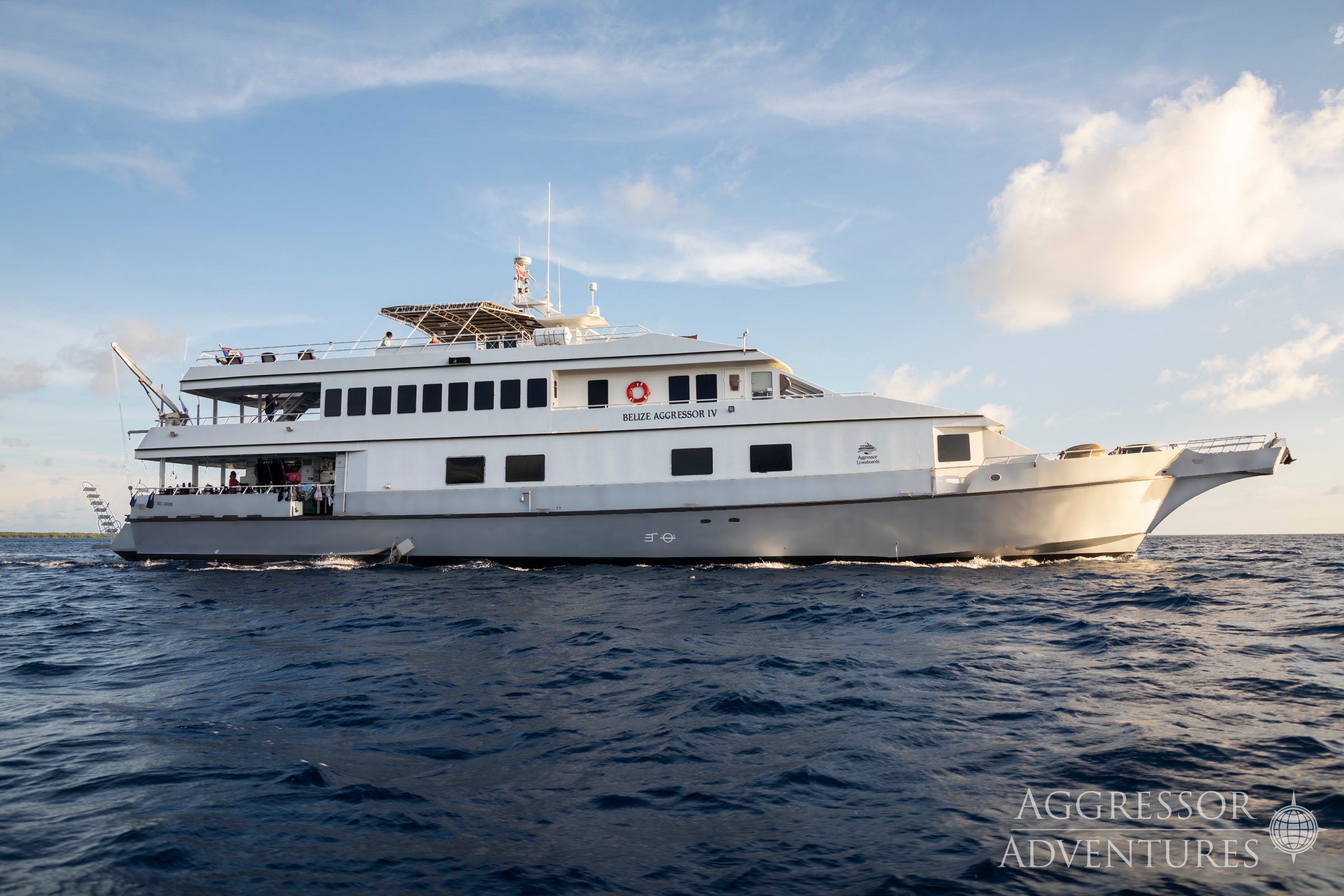
Belize Aggressor IV
ベリーズ
20 名42.1 m
¥55,586/日
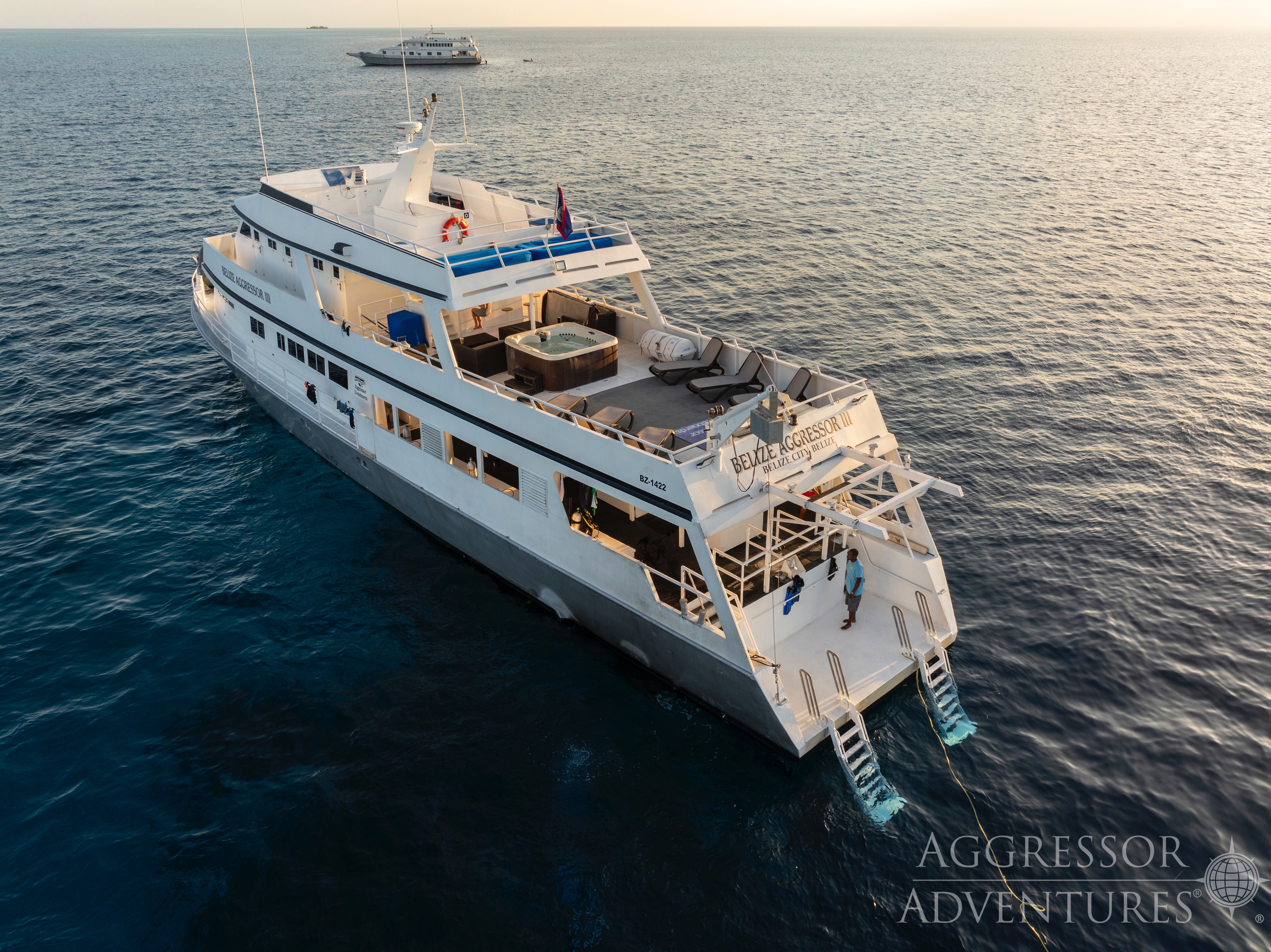
Belize Aggressor III
ベリーズ
18 名33.5 m
¥52,486/日
Marianne に似たダイブサイト
同じ雰囲気、同じ海 — 同じ理由で愛される6つのサイト。シーズン、アクセス、ライブアボード航路を比較して、自分の旅に最適なサイトを選ぼう。
サヨナラ・レックは、ベリーズのターネッフ諸島の南西に位置し、魅力的な中級ダイブ体験を提供します。この鋼鉄製の船は横倒しになり、その構造は、多様なハードコーラルやソフトコーラル、そして海綿が広範囲に定着した魅力的な人工リーフとなっています。これらの海洋生物の継続的な成長が金属製の構造を覆い、魚の活動が活発なダイナミックな生息環境を作り出しています。…
- 適している
- 中級
- 流れ
- 中程度
- アクセス
- ライブアボードのみ
- 水深
- 12–18 m
- テーマ
- レック / リーフ
アンバーヘッド、特にそのノースセクションとサウスセクションは、ベリーズのターネッフ・アトール西側にある主要なダイビングサイトだよ。
- 適している
- 中級
- 流れ
- 弱い
- アクセス
- ライブアボードのみ
- 水深
- 5–32 m
- テーマ
- リーフ
© Esri — Maxar, Earthstar, GIS
アンバーグリス・キー
ベリーズ
ベリーズ沖の島々で最大かつ最も人気のあるアンバーグリス・キーは、ベリーズ・バリア・リーフに沿って40kmにわたる比類のないダイビングを提供しているよ。
- 適している
- 中級
- 流れ
- 弱い
- アクセス
- デイボート
- 水深
- 15–60 m
- テーマ
- リーフ / ウォール
© Esri — Maxar, Earthstar, GIS
エンゼルフィッシュウォール
ベリーズ
エンゼルフィッシュウォールは、そのサンゴ礁に頻繁に現れる友好的なハイイロエンゼルフィッシュにちなんで名付けられた、ベリーズの注目すべきダイビングサイトです。
- 適している
- 中級
- 流れ
- 流れなし
- アクセス
- ライブアボードのみ
- 水深
- 8–40 m
- テーマ
- リーフ
Aquariumは、ベリーズ本土から約50マイル沖合に位置する手つかずの環礁、Lighthouse Reefの澄んだ海に囲まれた有名なダイブサイトです。
- 適している
- 初心者
- 流れ
- 強い
- アクセス
- ライブアボードまたはデイボート
- 水深
- 6–15 m
- テーマ
- ドリフト / リーフ
© Esri — Maxar, Earthstar, GIS
ブラック・ビューティー
ベリーズ
ブラック・ビューティーは、ベリーズのターネッフ・アトールに位置する優れたダイビングサイトで、広大なベリーズ・バリア・リーフ保護区システムの一部です。
- 適している
- 中級
- 流れ
- 流れなし
- アクセス
- ライブアボードのみ
- 水深
- 15–12 m
- テーマ
- リーフ