Bluerides – Blue Rides - Prenota crociere subacquee in tutto il mondoOCEAN ADVENTURES
River CruisesRiversNature & WildlifeOur Promise
River CruisesRiversNature & WildlifeOur PromiseAccedi

Destinazioni fluviali

  • Destinazioni fluviali
  • Rio delle Amazzoni
  • Danubio
  • Reno
  • Mekong
  • Nilo

Navi e partenze

  • Ricerca crociere fluviali
  • Offerte

Natura e fauna selvatica

  • Natura e fauna selvatica

Assistenza di viaggio

  • La nostra promessa
  • Contatti

Contatti

Contattaci

Scrivici quando vuoi: ti aiutiamo a scegliere il viaggio o a risolvere ogni dubbio.

E-mailScrivici: di solito rispondiamo in poche ore.
contact@bluerides.com
WhatsAppScrivici su WhatsApp, lun–ven 10:00–16:00 (CET).
Avvia la chat WhatsApp
TelefonoChiamaci, saremo felici di aiutarti.
Chiamata gratuita, lun–ven 10:00–20:00 (CET).
Europa+49 800 1144 990USA+1 888 557 7735Regno Unito+44 800 707 4152Australia+61 2 8599 6113Canada+1 888 557 7735
Which river journey is yours?Answer 8 quick questions and find the river cruise that fits you.
8 questions, 1 minute·Plus Gift
Metodi di pagamento sicuriI tuoi pagamenti sono completamente protetti con crittografia AES-256.
Realizzato daStripeWiseAMEXPayGoogle PaySEPABank
Impronta·Termini e condizioni·Informativa sulla privacy·Chi siamo·Contatto·Esonero di Responsabilità·Programma di affiliazione·Cruise·
Seguici qui

© 2026 Blue Rides. Tutti i diritti riservati.·

Bluerides – Blue Rides - Prenota crociere subacquee in tutto il mondoOCEAN ADVENTURES
River CruisesRiversNature & WildlifeOur Promise
River CruisesRiversNature & WildlifeOur PromiseAccedi
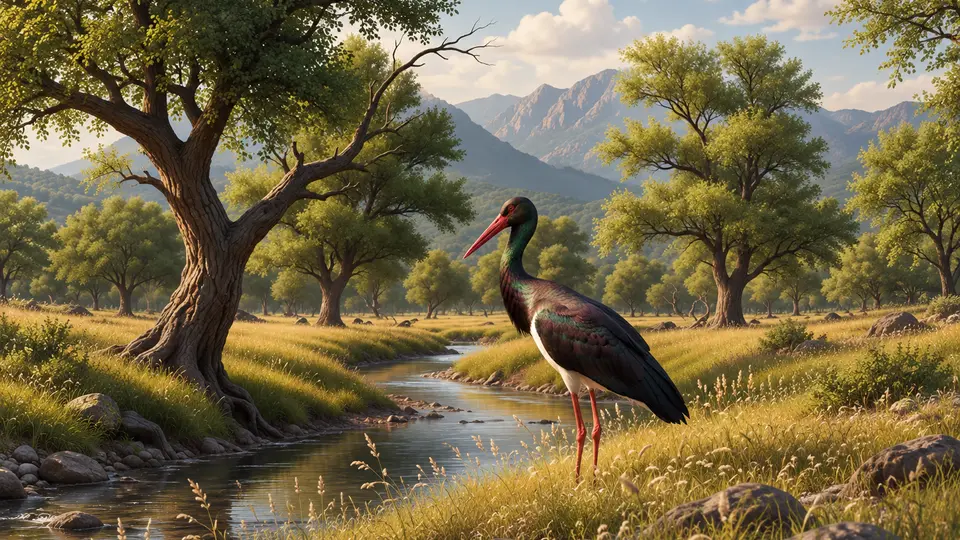
Black Stork in its natural habitat
Home›River Cruises›River Wildlife›Black Stork

Black StorkCiconia nigraDove e quando osservarli

Previous speciesBlack RedstartNext speciesBlack Tern

Black Stork at a glance

The black stork is a large, mainly dark stork with a white belly and glossy green-purple reflections in good light. It is generally more retiring than the familiar white stork, breeding in secluded woodland or on remote cliffs rather than routinely beside busy settlements. Across Europe and Asia, many populations migrate long distances. Portugal supports breeding birds and some wintering individuals, while Turkey lies within both breeding and major migration regions.

Behaviour & reproduction

Size
95–100 cm long
Weight
2.4–3.2 kg
Lifespan
Not reliably established
Status
Least Concern

Black storks usually forage quietly in shallow water, walking slowly and striking at prey with the bill. Breeding pairs require relatively undisturbed nest surroundings and can be sensitive to repeated human presence. Migrating birds exploit rising warm air to gain height before gliding onward, reducing the energetic cost of travel. They may gather at migration bottlenecks or productive feeding areas, despite their more solitary habits during breeding. Courtship displays involve aerial manoeuvres and bill clapping, often near the nest site. Unlike the closely related White Stork, Black Storks are generally solitary nesters, rarely forming colonies, even at abundant feeding grounds.

Top wildlife locations

Danube wildlife habitat

Danube

Austrian records refer to Donau-Auen between Vienna and Hainburg, often requiring a floodplain walk. Pelicans and many wetland birds refer specifically to the separate Danube Delta itinerary. They are not promised on Passau–Budapest cruises.
Explore river cruises

Destinations describe the species' habitat, not guaranteed cruise stops. Some animals require an optional inland excursion or are found in restricted reserves.

Fun facts about the Black Stork

  • Adults develop red bills and legs, while juveniles have duller bare parts.
  • Dark feathers can shine green or purple in direct light.
  • Some pairs nest on cliffs rather than in trees.
  • Soaring migrants often concentrate where geography reduces long sea crossings.

Best time to see the Black Stork

Wildlife opportunities depend on the river reach, water levels and species. River-specific viewing months have not been confirmed; general species seasons are not a local sighting forecast.

Black Stork: season matrix by destination

Travel and observation windows vary by region. Highlighted months are an orientation for planning, not confirmed sightings or a guarantee of access.

Danube

No river-specific wildlife calendar is confirmed. Check the actual river reach, local conditions and excursion access with your operator.

genfebmaraprmaggiulugagosetottnovdic
Explore river cruises

Where the Black Stork lives

Breeding habitat combines secluded mature woodland or cliffs with access to rivers, streams, marshes and shallow pools. Feeding birds use freshwater margins and occasionally estuarine wetlands. Many suitable areas lie inland, so coastal itineraries alone often miss the species' principal habitat. They are often found in mature, often mixed, deciduous or coniferous forests, particularly near mountainous or hilly terrain offering suitable nesting cliffs. Their preference for extensive, undisturbed areas makes them good indicators of healthy riparian and forest ecosystems.

What the Black Stork eats

Fish form a major part of the diet, supplemented by amphibians, aquatic insects, crustaceans and other small animals. Birds hunt in shallow freshwater where prey can be detected and seized. Seasonal drying can concentrate food but also eliminate feeding habitat. Occasionally, they will also take small reptiles or mammals if the opportunity arises, especially during periods of prey scarcity. Prey detection is primarily visual, and they often stand motionless, waiting for an opportune moment to strike.

Species at a glance

Common name
Black Stork
Scientific name
Ciconia nigra
Animal group
Birds
Size
95–100 cm long
Weight
2.4–3.2 kg
Lifespan
Not reliably established
Status
Least Concern
Identification
Unlike the white stork, the black stork has a dark head, neck and upperparts contrasting with a white belly, with adults showing red bills and legs. Juveniles are similar to adults but have duller plumage, brownish legs, and a greyish bill. In flight, the white belly and underwing coverts contrast sharply with the dark flight feathers and body.

Black Stork: frequently asked questions

Where can I see the Black Stork?
Danube. Use a distant wetland viewpoint or migration watchpoint and never seek out an occupied nest. Keep location details private for sensitive breeding sites, and withdraw if feeding birds become vigilant or stop hunting. Shore excursions into suitable inland forested river valleys or quiet freshwater wetland reserves offer the best chances of encountering this elusive species. From deck, keep an eye on distant river mouths or large estuaries, though inland areas are more productive.
When is the best time to see the Black Stork?
Ask about the specific river reach and shore excursion. No local monthly sighting calendar is confirmed.
How big does the Black Stork get?
95–100 cm long. Adult weight: 2.4–3.2 kg. Size varies with age, sex and population.
How should I behave around the Black Stork?
Use a distant wetland viewpoint or migration watchpoint and never seek out an occupied nest. Keep location details private for sensitive breeding sites, and withdraw if feeding birds become vigilant or stop hunting. Shore excursions into suitable inland forested river valleys or quiet freshwater wetland reserves offer the best chances of encountering this elusive species. From deck, keep an eye on distant river mouths or large estuaries, though inland areas are more productive.
What does the Black Stork eat?
Fish form a major part of the diet, supplemented by amphibians, aquatic insects, crustaceans and other small animals. Birds hunt in shallow freshwater where prey can be detected and seized. Seasonal drying can concentrate food but also eliminate feeding habitat. Occasionally, they will also take small reptiles or mammals if the opportunity arises, especially during periods of prey scarcity. Prey detection is primarily visual, and they often stand motionless, waiting for an opportune moment to strike.
Are wildlife sightings guaranteed on a river cruise?
No. Animals move freely and routes, weather, access restrictions and local conditions influence every outing. Confirm the actual itinerary and shore program before booking.

Compare wildlife in the same destinations

Explore other birds recorded in these destinations. Similar surroundings do not mean the animals share the same habits or viewing season.

Species comparison by animal group and destination
Black StorkBlack StorkBlack KiteBlack KiteBlack TernBlack Tern
Animal groupBirdsAnimal groupBirdsAnimal groupBirds
DestinationsDanubeDestinationsDanube, RhineDestinationsDanube
Previous speciesBlack RedstartNext speciesBlack Tern
All river wildlife
On this page
  • 01About
  • 02Behaviour & reproduction
  • 03Top wildlife locations
  • 04Fun facts
  • 05Best season
  • 06Season matrix by destination
  • 07Habitat
  • 08Diet
  • 09Species at a glance
  • 10Questions & answers
  • 11Compare

Find your river cruise

Pianifica il tuo viaggio

Find your next river journey

Compare destinations, shore programs and dates with the animals and habitats you would love to see.

  • Daily shore excursions
  • Responsible wildlife watching
  • Boutique river ships
Explore river cruises