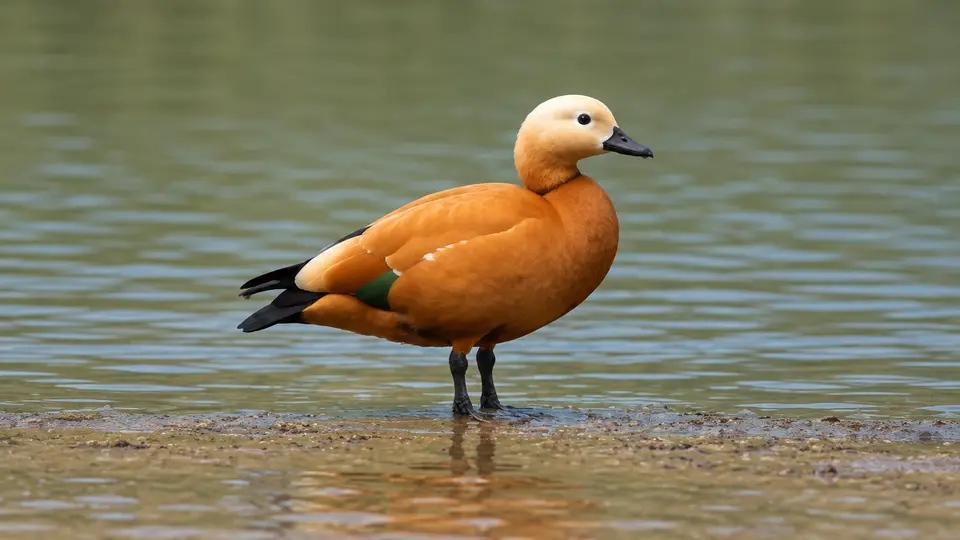
Ruddy Shelduck in its natural habitat

Ruddy ShelduckTadorna ferrugineaWhere and when to see them

Ruddy Shelduck at a glance

The ruddy shelduck is a large orange-brown waterbird with a pale head, black flight feathers and striking white wing panels. Its range stretches across much of temperate and central Asia, with populations extending into southeastern Europe and North Africa. In Turkey it is particularly associated with inland wetlands and open landscapes. Its upright stance and strong pair bonds give it a somewhat goose-like presence despite its classification among ducks.

Behaviour & reproduction

Size
58–70 cm (23–28 in) long
Weight
1–1.6 kg (2.2–3.5 lb)
Lifespan
Not reliably established
Status
Least Concern

Pairs can be territorial during breeding, calling loudly and driving other waterbirds away from favored areas. Ruddy shelducks often nest in cavities rather than beside open water, using rock crevices, burrows or other sheltered spaces. Families move to feeding wetlands after hatching. Outside breeding, birds may form flocks on lakes and reservoirs, dividing their time between grazing on land and feeding in shallow water. Outside the breeding season, Ruddy Shelducks are highly gregarious, often forming large flocks which can number in the hundreds or even thousands. These flocks often roost communally on sandbanks or open water and move to feeding grounds at dawn and dusk.

Top wildlife locations

Turkey wildlife habitat

Turkey

Inland lake shores, reservoirs and saline wetlands are the most plausible viewing settings. An inland excursion is usually required from coastal itineraries, and access depends on local roads, water levels and protection rules.
Destinations describe the species' habitat, not guaranteed cruise stops. Some animals require an optional inland excursion or are found in restricted reserves.

Fun facts about the Ruddy Shelduck

  • Breeding males develop a narrow black neck ring.
  • Nests may be placed far from the nearest substantial waterbody.
  • The broad white wing patches are especially conspicuous in flight.
  • Some Asian populations cross high mountain regions during seasonal movements.

Best time to see the Ruddy Shelduck

Spring and autumn are useful periods for visiting Turkish inland wetlands, when migration can supplement resident birds. Winter concentrations occur at suitable unfrozen waters. Local water levels and regional weather are more informative than a single nationwide breeding or viewing calendar. Prime viewing for large congregations is typically late summer through winter, especially as birds from colder regions migrate south. Migration periods also offer chances to see birds in areas they might not typically inhabit as residents.

Ruddy Shelduck: season matrix by destination

Travel and observation windows vary by region. Highlighted months are an orientation for planning, not confirmed sightings or a guarantee of access.

Turkey

Spring and autumn support practical wetland travel and possible passage movements; residents and wintering birds occur locally outside this window.

JanFebMarAprMayJunJulAugSepOctNovDec
Cruise ships in Turkey

Where the Ruddy Shelduck lives

Habitat includes inland lakes, reservoirs, river valleys, marshes and saline wetlands surrounded by open country. Nest sites may lie in cliffs or burrows well away from the feeding shore. Coastal lagoons are used locally, but many Turkish observation opportunities require inland travel. They typically avoid heavily forested or densely populated areas, preferring open, expansive landscapes. While often found at lower elevations, some populations utilize high-altitude lakes and rivers, particularly during the breeding season.

What the Ruddy Shelduck eats

Ruddy shelducks eat grasses, shoots, seeds and agricultural grain alongside aquatic invertebrates and other small animal food. They graze, dabble and probe muddy edges rather than relying on one feeding method. Diet shifts with season, habitat and local food availability. Their diet also includes seeds of aquatic plants and various invertebrates found in the mud, such as insect larvae and small crustaceans. During agricultural seasons, they can become quite reliant on spilled grain in fields adjacent to water bodies.

Species at a glance

Common name
Ruddy Shelduck
Scientific name
Tadorna ferruginea
Animal group
Birds
Size
58–70 cm (23–28 in) long
Weight
1–1.6 kg (2.2–3.5 lb)
Lifespan
Not reliably established
Status
Least Concern
Identification
Unlike common shelduck, ruddy shelduck has an extensively orange-brown body, a pale head and no broad chestnut breast band across a white breast. The male is easily distinguished by a narrow black collar visible during the breeding season, which is absent in the female and eclipse males. Juveniles resemble females but have a duller, more mottled plumage, particularly on the head and neck.

Ruddy Shelduck: frequently asked questions

Where can I see the Ruddy Shelduck?
Turkey. Watch from established wetland tracks or hides without approaching cliff cavities or burrows. Give territorial pairs and broods ample space, and avoid crossing exposed salt flats or unstable reservoir margins to obtain closer views. Use binoculars or a spotting scope for detailed observation from a distance, particularly when birds are grazing on land or at the far side of a large wetland. Remember that their pale head can sometimes blend with bright sky, making a silhouette the primary identification cue.
When is the best time to see the Ruddy Shelduck?
Spring and autumn are useful periods for visiting Turkish inland wetlands, when migration can supplement resident birds. Winter concentrations occur at suitable unfrozen waters. Local water levels and regional weather are more informative than a single nationwide breeding or viewing calendar. Prime viewing for large congregations is typically late summer through winter, especially as birds from colder regions migrate south. Migration periods also offer chances to see birds in areas they might not typically inhabit as residents.
How big does the Ruddy Shelduck get?
58–70 cm (23–28 in) long. Adult weight: 1–1.6 kg (2.2–3.5 lb). Size varies with age, sex and population.
How should I behave around the Ruddy Shelduck?
Watch from established wetland tracks or hides without approaching cliff cavities or burrows. Give territorial pairs and broods ample space, and avoid crossing exposed salt flats or unstable reservoir margins to obtain closer views. Use binoculars or a spotting scope for detailed observation from a distance, particularly when birds are grazing on land or at the far side of a large wetland. Remember that their pale head can sometimes blend with bright sky, making a silhouette the primary identification cue.
What does the Ruddy Shelduck eat?
Ruddy shelducks eat grasses, shoots, seeds and agricultural grain alongside aquatic invertebrates and other small animal food. They graze, dabble and probe muddy edges rather than relying on one feeding method. Diet shifts with season, habitat and local food availability. Their diet also includes seeds of aquatic plants and various invertebrates found in the mud, such as insect larvae and small crustaceans. During agricultural seasons, they can become quite reliant on spilled grain in fields adjacent to water bodies.
Are wildlife sightings guaranteed on an adventure cruise?
No. Animals move freely and routes, weather, access restrictions and local conditions influence every outing. Confirm the actual itinerary and shore program before booking.

Compare wildlife in the same destinations

Explore other birds recorded in these destinations. Similar surroundings do not mean the animals share the same habits or viewing season.

Species comparison by animal group and destination
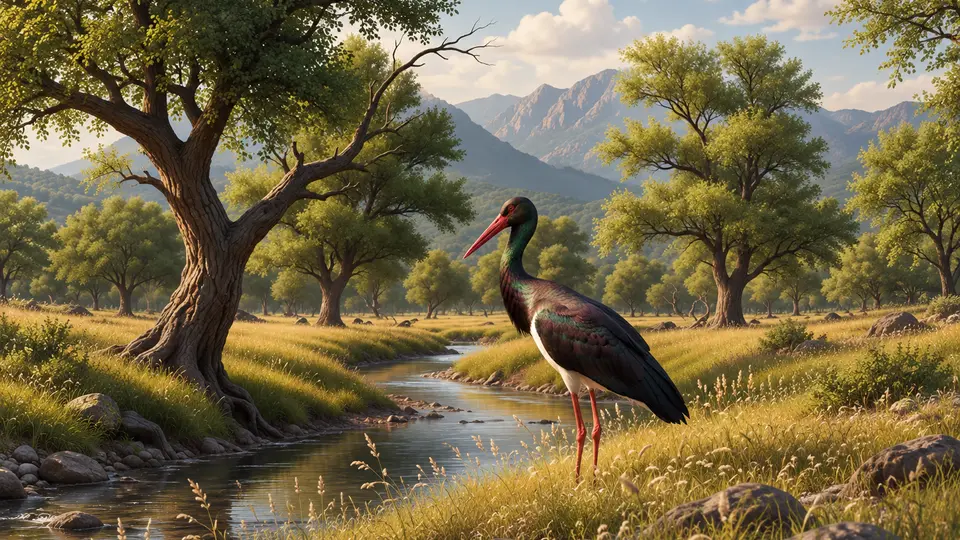
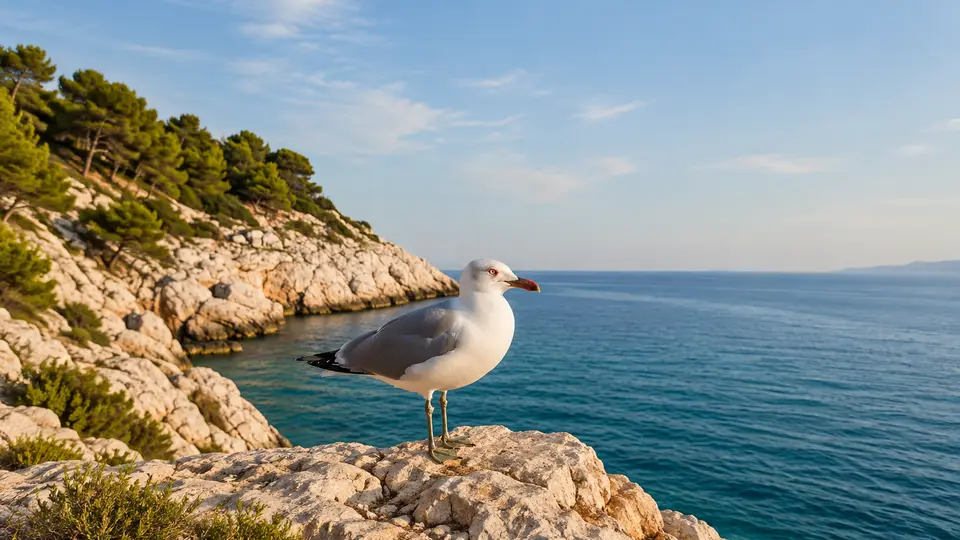
Ruddy ShelduckRuddy ShelduckAudouin's GullAudouin's GullBlack StorkBlack Stork
Animal groupBirdsAnimal groupBirdsAnimal groupBirds
DestinationsTurkeyDestinationsCroatia, Greece, Portugal, TurkeyDestinationsPortugal, Turkey
Scientific nameTadorna ferrugineaScientific nameScientific name
All wildlife destinations
Plan your trip

Find your next wildlife adventure

Compare destinations, shore programs and dates with the animals and habitats you would love to see.

  • Naturalist-led shore excursions
  • Responsible wildlife watching
  • Small expedition ships