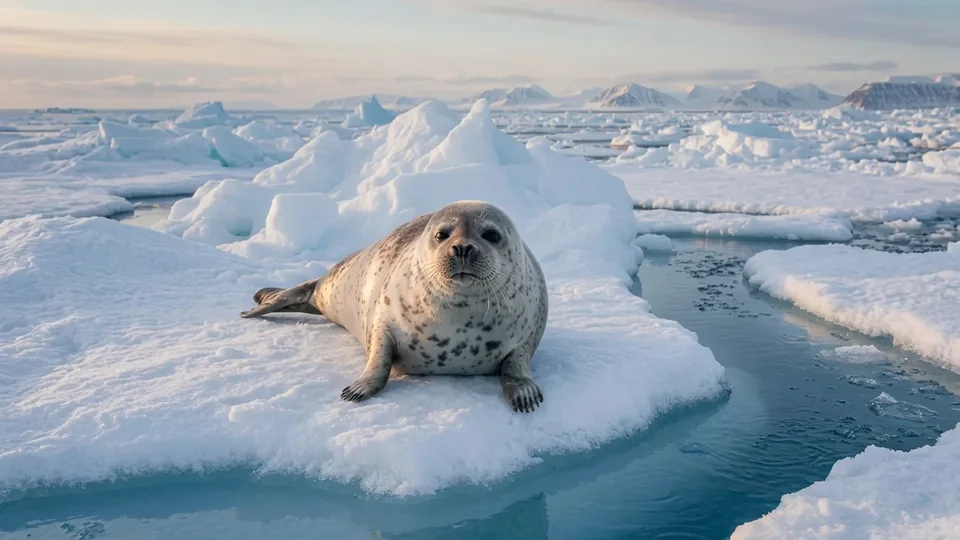
Ringed Seal in its natural habitat, AI illustration

Ringed SealPusa hispidaWhere and when to see them

Ringed Seal at a glance

The ringed seal is a small northern seal named for the pale circles scattered across its darker coat. It is exceptionally well adapted to ice-covered seas, maintaining breathing holes and sheltering pups in snow lairs. Global status masks important differences among regional populations and subspecies. Around Svalbard it is a characteristic ice-associated mammal, but warming winters and reduced snow cover can undermine the sheltered breeding habitat on which pups depend.

Behaviour & reproduction

Size
1.0-1.5 m long
Weight
50-100 kg
Lifespan
25-40 years in the wild
Status
Least Concern

Ringed seals use strong foreflipper claws to keep breathing holes open as ice thickens. Females give birth in snow-covered lairs above the ice, providing insulation and concealment from predators. Adults are often solitary or widely spaced, although several may rest within view on suitable ice. During spring they increasingly bask on the surface while molting. Their vigilance reflects predation pressure from polar bears and other hunters. Ringed seals use strong foreflipper claws to keep breathing holes open as ice thickens. Females give birth in snow covered lairs above the ice, providing insulation and concealment from predators. Adults are often solitary or widely spaced, although several may rest within view on suitable ice. During spring they increasingly bask on the surface while molting. Their vigilance reflects predation pressure from polar bears and other hunters. They are known for their strong site fidelity to specific breathing holes and lairs, especially during winter and spring. Pups are born in late March or early April and are initially covered in a woolly, white lanugo coat for camouflage.

Top wildlife locations

Norway wildlife habitat

Norway

Svalbard's ice-bearing fjords provide the principal Norwegian coastal setting, rather than ordinary mainland shores. Distant viewing depends on safe, authorized access, and breeding lairs must remain undisturbed and unapproached.

Arctic wildlife habitat

Arctic

Ice-covered bays and fjord margins across parts of the Arctic offer plausible distant viewing habitat. Many sites are inaccessible, and local ice stability, permissions and polar-bear risk govern shore access.

Destinations describe the species' habitat, not guaranteed cruise stops. Some animals require an optional inland excursion or are found in restricted reserves.

Fun facts about the Ringed Seal

  • Strong claws help maintain breathing holes through growing winter ice.
  • Pups are normally born inside insulating snow lairs.
  • Ringed seals are a major prey species for polar bears.
  • Distinct populations also live in the Baltic Sea and certain northern lakes.

Best time to see the Ringed Seal

Late spring and early summer can offer distant views of seals resting on ice during the molt. Dates depend strongly on latitude and annual ice conditions. Summer travel may improve access but can coincide with reduced ice and less conspicuous surface resting. Late spring and early summer can offer distant views of seals resting on ice during the molt. Dates depend strongly on latitude and annual ice conditions. Summer travel may improve access but can coincide with reduced ice and less conspicuous surface resting. Observing them often involves scanning ice floes or shorelines from the deck of a ship or zodiac in ice-laden waters. Early spring can be challenging for viewing due to extensive ice cover and their reclusive nature in birth lairs.

Ringed Seal: season matrix by destination

Travel and observation windows vary by region. Highlighted months are an orientation for planning, not confirmed sightings or a guarantee of access.

Norway

Late spring and early summer may overlap ice resting and molt in Svalbard; variable sea ice can greatly alter access and visibility.

JanFebMarAprMayJunJulAugSepOctNovDec
Cruise ships in Norway

Arctic

This broad window reflects spring-to-summer ice resting, not uniform conditions across the Arctic; regional timing and safe access differ substantially.

JanFebMarAprMayJunJulAugSepOctNovDec
Cruise ships in Arctic

Where the Ringed Seal lives

Arctic populations occupy coastal and offshore sea ice, especially areas with stable ice and enough accumulated snow for birth lairs. Some subspecies inhabit brackish or freshwater systems. In Svalbard, sheltered fjords can be important where winter ice conditions remain suitable. Arctic populations occupy coastal and offshore sea ice, especially areas with stable ice and enough accumulated snow for birth lairs. Some subspecies inhabit brackish or freshwater systems. In Svalbard, sheltered fjords can be important where winter ice conditions remain suitable. This species is the most abundant and widely distributed seal in the Northern Hemisphere, extending its range across the entire Arctic Ocean. They are particularly dependent on fast ice and areas with snow cover, which are critical for pupping and protection from predators.

What the Ringed Seal eats

Small fish and crustaceans dominate the diet, including polar cod where available. Prey composition changes with region, season and seal age. Ringed seals can feed beneath extensive ice cover, using maintained breathing holes to access habitats unavailable to many other marine mammals. Small fish and crustaceans dominate the diet, including polar cod where available. Prey composition changes with region, season and seal age. Ringed seals can feed beneath extensive ice cover, using maintained breathing holes to access habitats unavailable to many other marine mammals. Their diet also includes a variety of invertebrates like amphipods and euphausiids, which are crucial energy sources in the Arctic ecosystem. Pups initially feed on their mother's fat-rich milk, growing rapidly during the nursing period.

Species at a glance

Common name
Ringed Seal
Scientific name
Pusa hispida
Animal group
Mammals
Size
1.0-1.5 m long
Weight
50-100 kg
Lifespan
25-40 years in the wild
Status
Least Concern
Identification
Compared with harbor seals, ringed seals are generally smaller, with a short muzzle and pale outlined rings rather than predominantly dark spots. Compared with harbor seals, ringed seals are generally smaller, with a short muzzle and pale outlined rings rather than predominantly dark spots. Adults typically grow to about 1.5 meters (5 feet) in length and weigh between 50 to 100 kg (110 to 220 lbs). Their small head and chunky body shape are also distinguishing features, along with their proportionately small flippers.

Ringed Seal: frequently asked questions

Where can I see the Ringed Seal?
Norway, Arctic. Watch from distant shore viewpoints or decks without approaching occupied ice or breathing holes. Follow local polar-bear safety procedures, and never walk toward suspected snow lairs or cause resting seals to enter the water. Watch from distant shore viewpoints or decks without approaching occupied ice or breathing holes. Follow local polar bear safety procedures, and never walk toward suspected snow lairs or cause resting seals to enter the water. Binoculars or a spotting scope are essential for distinguishing individuals and observing natural behaviors from a respectful distance. Maintaining quiet and slow movements helps avoid disturbing these wary animals.
When is the best time to see the Ringed Seal?
Late spring and early summer can offer distant views of seals resting on ice during the molt. Dates depend strongly on latitude and annual ice conditions. Summer travel may improve access but can coincide with reduced ice and less conspicuous surface resting. Late spring and early summer can offer distant views of seals resting on ice during the molt. Dates depend strongly on latitude and annual ice conditions. Summer travel may improve access but can coincide with reduced ice and less conspicuous surface resting. Observing them often involves scanning ice floes or shorelines from the deck of a ship or zodiac in ice-laden waters. Early spring can be challenging for viewing due to extensive ice cover and their reclusive nature in birth lairs.
How big does the Ringed Seal get?
1.0-1.5 m long. Adult weight: 50-100 kg. Size varies with age, sex and population.
How should I behave around the Ringed Seal?
Watch from distant shore viewpoints or decks without approaching occupied ice or breathing holes. Follow local polar-bear safety procedures, and never walk toward suspected snow lairs or cause resting seals to enter the water. Watch from distant shore viewpoints or decks without approaching occupied ice or breathing holes. Follow local polar bear safety procedures, and never walk toward suspected snow lairs or cause resting seals to enter the water. Binoculars or a spotting scope are essential for distinguishing individuals and observing natural behaviors from a respectful distance. Maintaining quiet and slow movements helps avoid disturbing these wary animals.
What does the Ringed Seal eat?
Small fish and crustaceans dominate the diet, including polar cod where available. Prey composition changes with region, season and seal age. Ringed seals can feed beneath extensive ice cover, using maintained breathing holes to access habitats unavailable to many other marine mammals. Small fish and crustaceans dominate the diet, including polar cod where available. Prey composition changes with region, season and seal age. Ringed seals can feed beneath extensive ice cover, using maintained breathing holes to access habitats unavailable to many other marine mammals. Their diet also includes a variety of invertebrates like amphipods and euphausiids, which are crucial energy sources in the Arctic ecosystem. Pups initially feed on their mother's fat-rich milk, growing rapidly during the nursing period.
Are wildlife sightings guaranteed on an adventure cruise?
No. Animals move freely and routes, weather, access restrictions and local conditions influence every outing. Confirm the actual itinerary and shore program before booking.

Compare wildlife in the same destinations

Explore other mammals recorded in these destinations. Similar surroundings do not mean the animals share the same habits or viewing season.

Species comparison by animal group and destination
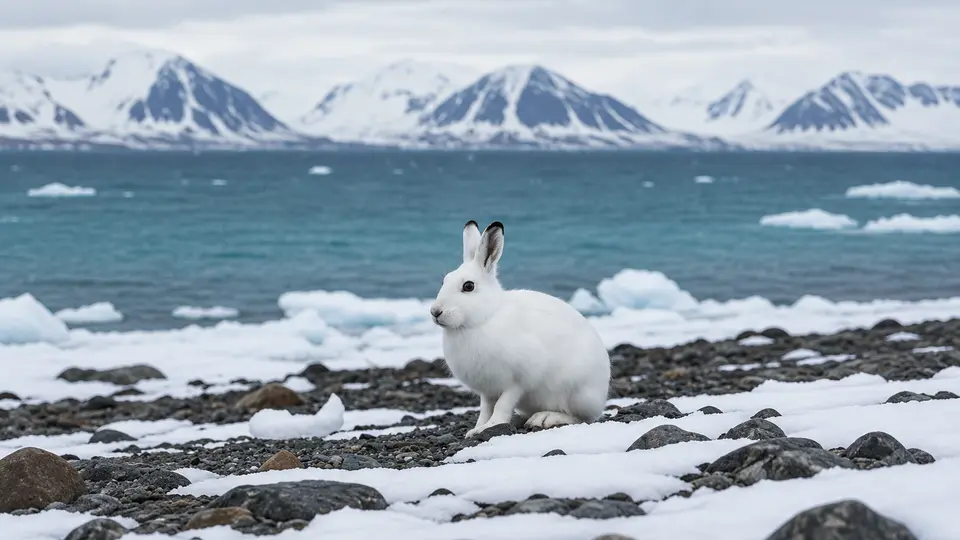
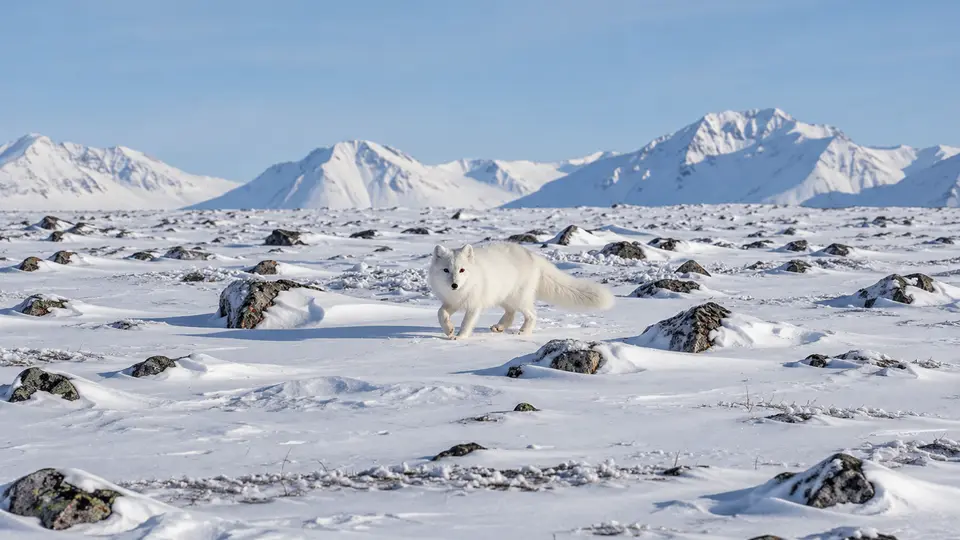
Ringed SealRinged SealArctic FoxArctic FoxArctic HareArctic Hare
Animal groupMammalsAnimal groupMammalsAnimal groupMammals
DestinationsNorway, ArcticDestinationsNorway, ArcticDestinationsArctic
All wildlife destinations
Plan your trip

Find your next wildlife adventure

Compare destinations, shore programs and dates with the animals and habitats you would love to see.

  • Naturalist-led shore excursions
  • Responsible wildlife watching
  • Small expedition ships

Newsletter

Take Blue Rides with you

Adventure cruise offers, last-minute deals and trip inspiration.

Free, unsubscribe anytime. Details: Privacy Policy

Partner with Blue Rides

Affiliate Program

Recommend adventure cruises and earn commission on every confirmed booking.

Share. Track. Earn.

Your footage, our stage

Send us your videos or pictures.

Captured remarkable nature or wildlife on your journey? Share it with us, we may feature it on Blue Rides.