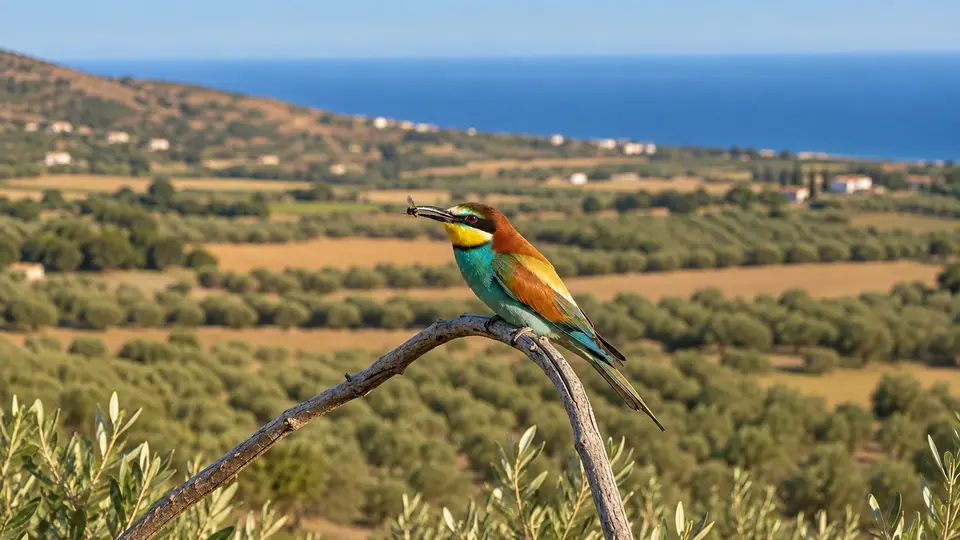
European Bee-eater in its natural habitat

European Bee-eaterMerops apiasterWhere and when to see them

European Bee-eater at a glance

The European bee-eater is a vividly coloured migrant linking warm European breeding landscapes with African wintering grounds. Chestnut, yellow, turquoise and green combine in plumage that is unmistakable in a good view, although high-flying flocks may first reveal themselves through liquid calls. It hunts airborne insects above open country and nests in tunnels excavated into banks. Colonies can be surprisingly unobtrusive when viewed from a distance, despite the birds' bright colours and busy social activity.

Behaviour & reproduction

Size
27-29 cm long
Weight
44-78 g
Lifespan
Not reliably established
Status
Least Concern

Bee-eaters launch from exposed branches or wires, seize flying insects and often return to a perch to handle them. Before swallowing stinging prey, they repeatedly strike and rub it against the perch. Pairs excavate nesting tunnels, sometimes alongside many neighbours, and some receive help from additional birds. Flocks communicate frequently in flight and gather before migration. Nest banks are vulnerable to disturbance, especially when people stand close to entrances or obstruct the adults' approach. Courtship rituals include the male presenting the female with food items, a display that strengthens pair bonds. When nesting in colonies, the birds often cooperate in warding off predators such like snakes or raptors. Bee-eaters are highly migratory, undertaking long journeys between their breeding grounds in Europe and wintering areas in Africa.

Top wildlife locations

Greece wildlife habitat

Greece

Coastal farmland, river valleys and open scrub with exposed perches offer plausible viewing. Nesting banks are localized, so an inland excursion may be needed; colony entrances should always be watched from well away.

Portugal wildlife habitat

Portugal

Open southern farmland, river corridors and sandy banks near coastal plains provide suitable habitat. An inland drive is often required, and working quarries or private nesting banks may be inaccessible.

Destinations describe the species' habitat, not guaranteed cruise stops. Some animals require an optional inland excursion or are found in restricted reserves.

Fun facts about the European Bee-eater

  • Both sexes contribute to excavating the nesting tunnel.
  • The nest chamber lies beyond a tunnel that may exceed one metre.
  • Nonbreeding helpers sometimes assist a pair with chick provisioning.
  • Indigestible insect fragments are expelled in pellets.

Best time to see the European Bee-eater

May through August is a useful breeding-season observation window in Greece and Portugal, with spring arrival and autumn passage extending opportunities into April and September. Warm, settled conditions encourage visible insect hunting, while cool rain can temporarily reduce aerial activity. During spring migration in April, large flocks can be seen passing over coastal areas in both Greece and Portugal, offering spectacular viewing opportunities. Autumn passage in September sees birds heading south, often staging at wetlands or along river systems to refuel. On cruises, observing the birds from deck as they cross open water during migration can be a memorable experience.

European Bee-eater: season matrix by destination

Travel and observation windows vary by region. Highlighted months are an orientation for planning, not confirmed sightings or a guarantee of access.

Greece

The window spans typical migration and summer presence, with exact arrival and departure varying; April and September observations may involve passage birds rather than breeders.

JanFebMarAprMayJunJulAugSepOctNovDec
Cruise ships in Greece

Portugal

Spring arrival, summer breeding presence and late-summer departure support this window; warm-weather visibility should not be confused with guaranteed colony occupancy.

JanFebMarAprMayJunJulAugSepOctNovDec
Cruise ships in Portugal

Where the European Bee-eater lives

Sunny open countryside with scattered perches, insect-rich grassland and suitable earth banks supports breeding birds. River valleys, quarries and farmland edges are typical settings. Coastal plains can also be used, but dense forest and heavily urbanized waterfronts provide poor habitat. They readily utilize man-made habitats such as vineyards and olive groves, especially where sandy or loamy soils are available for nesting. Steep riverbanks, sea cliffs, and even abandoned sand quarries also provide suitable breeding sites for colonies. While they tolerate some human presence, sustained disturbance can lead to nest abandonment.

What the European Bee-eater eats

Bees, wasps and hornets are prominent prey, but the diet also includes dragonflies, beetles, butterflies and other flying insects. Birds catch most food in flight. Local insect availability, weather and the energetic demands of growing chicks influence the prey brought to nests. They have specialized tongues and salivary glands to help them process stinging insects, and their thick skin offers some protection from stings. Large insects are often dismembered before consumption, with indigestible parts like wings and legs discarded. Bee-eaters show remarkable agility, often performing aerial acrobatics to catch fast-moving prey.

Species at a glance

Common name
European Bee-eater
Scientific name
Merops apiaster
Animal group
Birds
Size
27-29 cm long
Weight
44-78 g
Lifespan
Not reliably established
Status
Least Concern
Identification
Its chestnut crown and back, yellow throat, turquoise underparts and black eye stripe separate it from the greener blue-cheeked bee-eater and the predominantly green little bee-eaters. Their long, decurved black bill is another key identifying feature, contrasting with their colourful plumage. In flight, their pointed wings and long central tail feathers are distinctive, giving them an elegant silhouette. Juveniles appear duller, with a greenish wash to their underparts and less defined head markings compared to adults.

European Bee-eater: frequently asked questions

Where can I see the European Bee-eater?
Greece, Portugal. Watch feeding birds from a distant path or parked position, never directly in front of nest tunnels. Avoid climbing sandy banks, which can collapse, and do not disturb insects to attract birds. Scanning the skies above agricultural fields and open scrubland from shore excursions often yields sightings, especially near areas with tall perches. Binoculars are essential for appreciating their vibrant plumage and observing their foraging behavior from a respectful distance. Listen for their distinctive 'prruip' call, which often announces their presence before they are seen.
When is the best time to see the European Bee-eater?
May through August is a useful breeding-season observation window in Greece and Portugal, with spring arrival and autumn passage extending opportunities into April and September. Warm, settled conditions encourage visible insect hunting, while cool rain can temporarily reduce aerial activity. During spring migration in April, large flocks can be seen passing over coastal areas in both Greece and Portugal, offering spectacular viewing opportunities. Autumn passage in September sees birds heading south, often staging at wetlands or along river systems to refuel. On cruises, observing the birds from deck as they cross open water during migration can be a memorable experience.
How big does the European Bee-eater get?
27-29 cm long. Adult weight: 44-78 g. Size varies with age, sex and population.
How should I behave around the European Bee-eater?
Watch feeding birds from a distant path or parked position, never directly in front of nest tunnels. Avoid climbing sandy banks, which can collapse, and do not disturb insects to attract birds. Scanning the skies above agricultural fields and open scrubland from shore excursions often yields sightings, especially near areas with tall perches. Binoculars are essential for appreciating their vibrant plumage and observing their foraging behavior from a respectful distance. Listen for their distinctive 'prruip' call, which often announces their presence before they are seen.
What does the European Bee-eater eat?
Bees, wasps and hornets are prominent prey, but the diet also includes dragonflies, beetles, butterflies and other flying insects. Birds catch most food in flight. Local insect availability, weather and the energetic demands of growing chicks influence the prey brought to nests. They have specialized tongues and salivary glands to help them process stinging insects, and their thick skin offers some protection from stings. Large insects are often dismembered before consumption, with indigestible parts like wings and legs discarded. Bee-eaters show remarkable agility, often performing aerial acrobatics to catch fast-moving prey.
Are wildlife sightings guaranteed on an adventure cruise?
No. Animals move freely and routes, weather, access restrictions and local conditions influence every outing. Confirm the actual itinerary and shore program before booking.

Compare wildlife in the same destinations

Explore other birds recorded in these destinations. Similar surroundings do not mean the animals share the same habits or viewing season.

Species comparison by animal group and destination
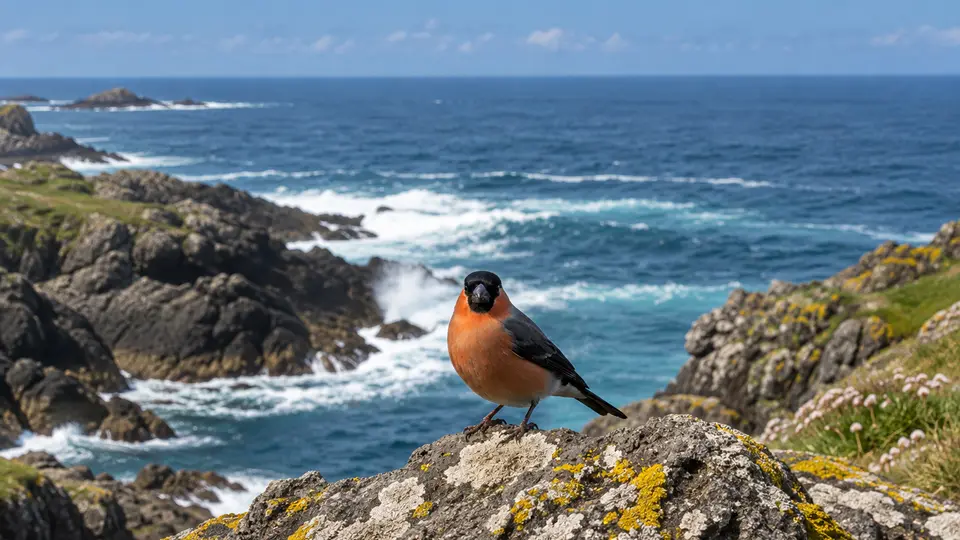
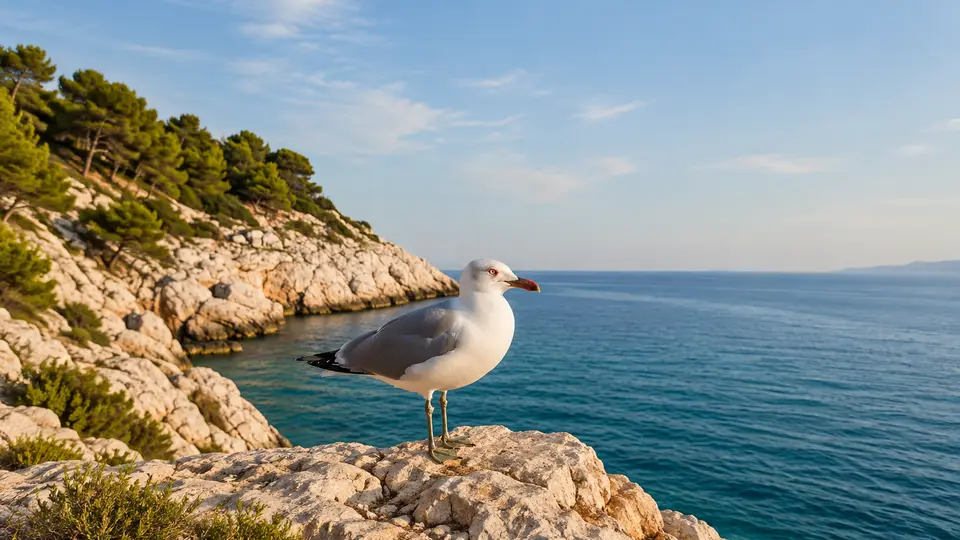
European Bee-eaterEuropean Bee-eaterAudouin's GullAudouin's GullAzores BullfinchAzores Bullfinch
Animal groupBirdsAnimal groupBirdsAnimal groupBirds
DestinationsGreece, PortugalDestinationsCroatia, Greece, Portugal, TurkeyDestinationsPortugal
All wildlife destinations
Plan your trip

Find your next wildlife adventure

Compare destinations, shore programs and dates with the animals and habitats you would love to see.

  • Naturalist-led shore excursions
  • Responsible wildlife watching
  • Small expedition ships

Newsletter

Take Blue Rides with you

Adventure cruise offers, last-minute deals and trip inspiration.

Free, unsubscribe anytime. Details: Privacy Policy

Partner with Blue Rides

Affiliate Program

Recommend adventure cruises and earn commission on every confirmed booking.

Share. Track. Earn.

Your footage, our stage

Send us your videos or pictures.

Captured remarkable nature or wildlife on your journey? Share it with us, we may feature it on Blue Rides.